sarlahi
सर्लाही

This central Terai district borders India and hosts communities including Madhesi, Muslim, and Dalit populations. Women and marginalized groups here face intersecting challenges of caste discrimination, religious minority status, and gender-based barriers in a region historically underrepresented in national narratives.
यो मध्यम तराईको जिल्ला भारतसँग सीमा जोडिएको छ र यहाँ मधेसी, मुस्लिम, दलित समुदायहरू बसोबास गर्दछन्। यहाँकी महिलाहरू र बहुलक्षित समूहहरूले जातीय भेदभाव, धार्मिक अल्पसंख्यकको स्थिति, र लिङ्ग आधारित अवरोधजस्ता अन्तरसङ्गठनात्मक चुनौतीहरूको सामना गर्छन्, जुन क्षेत्र ऐतिहासिक रूपमा राष्ट्रिय कथनहरूमा कम प्रतिनिधित्व भएको छ।
Nabina Sunuwar, b. 1992 CE (2049 BS), Kathmandu
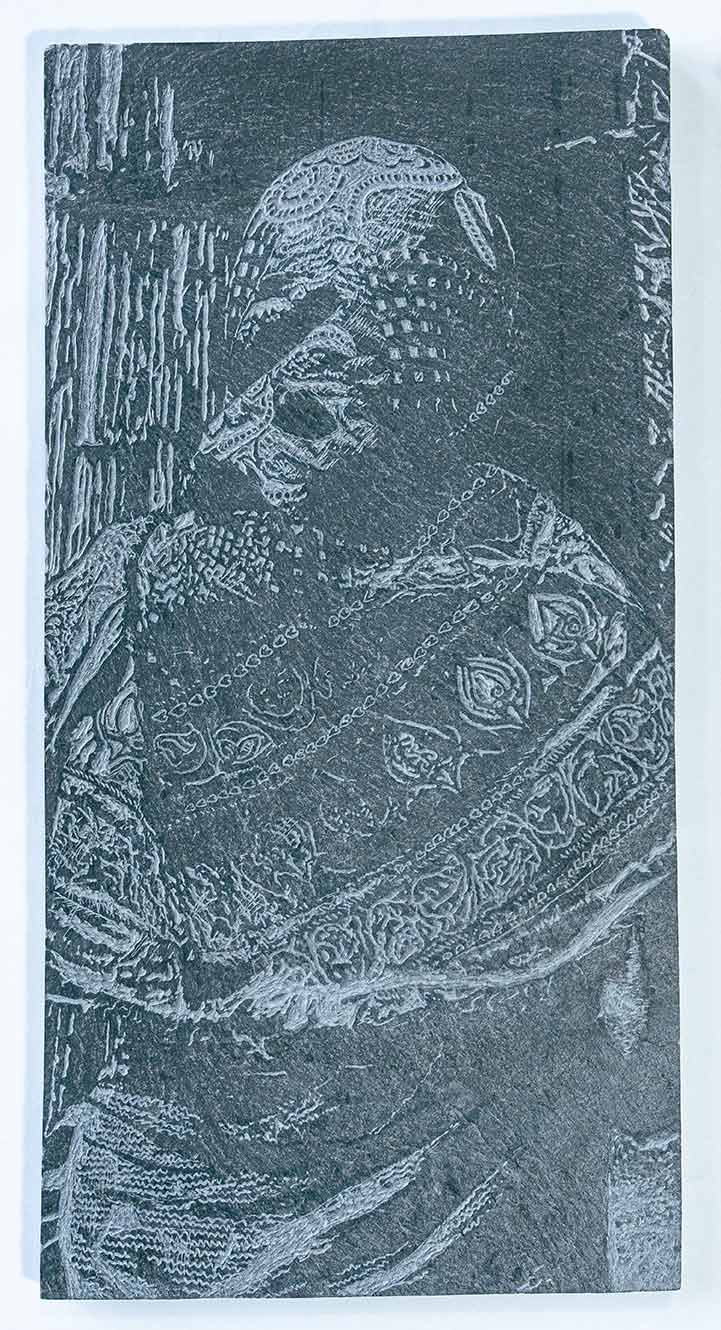
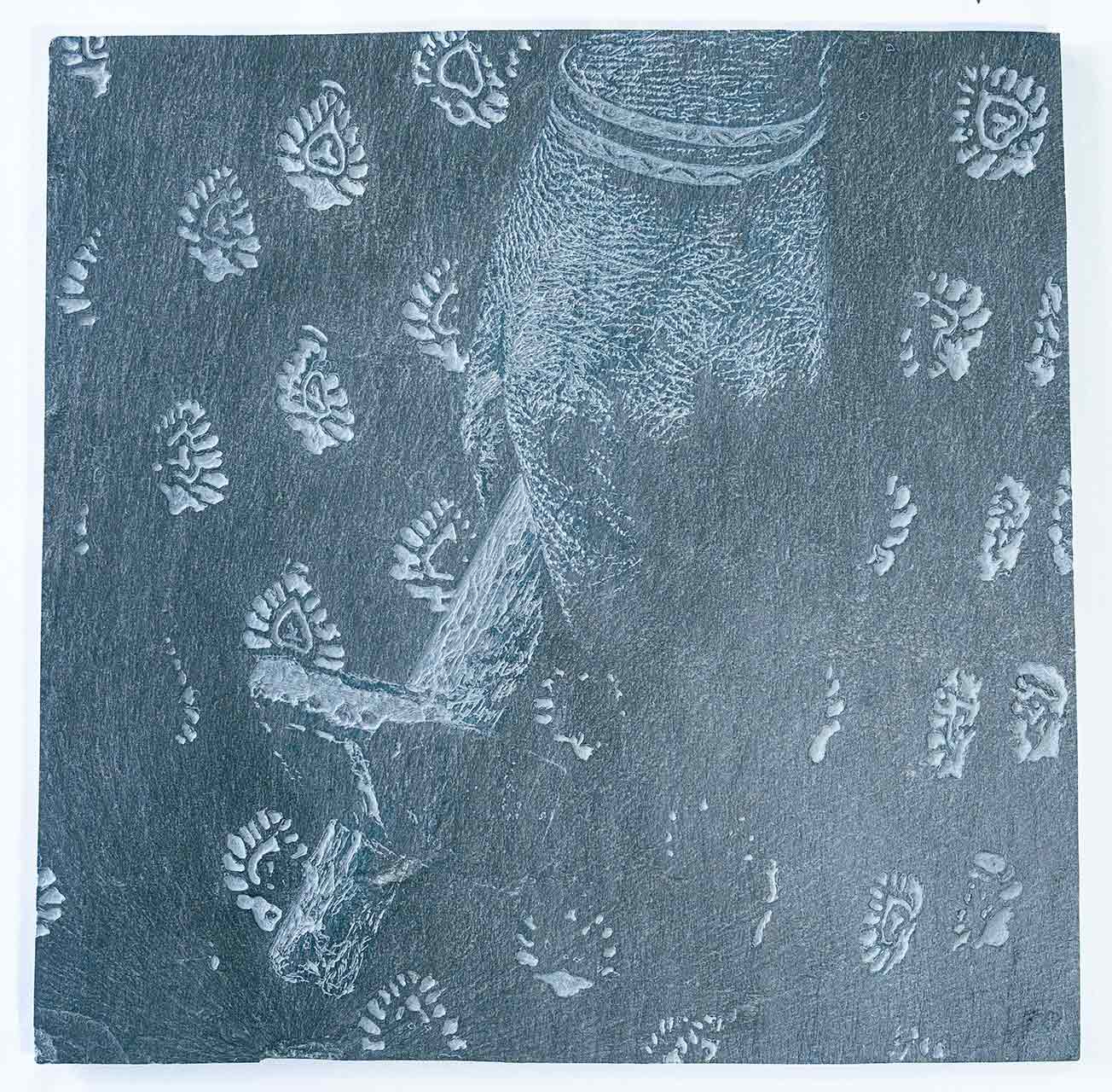
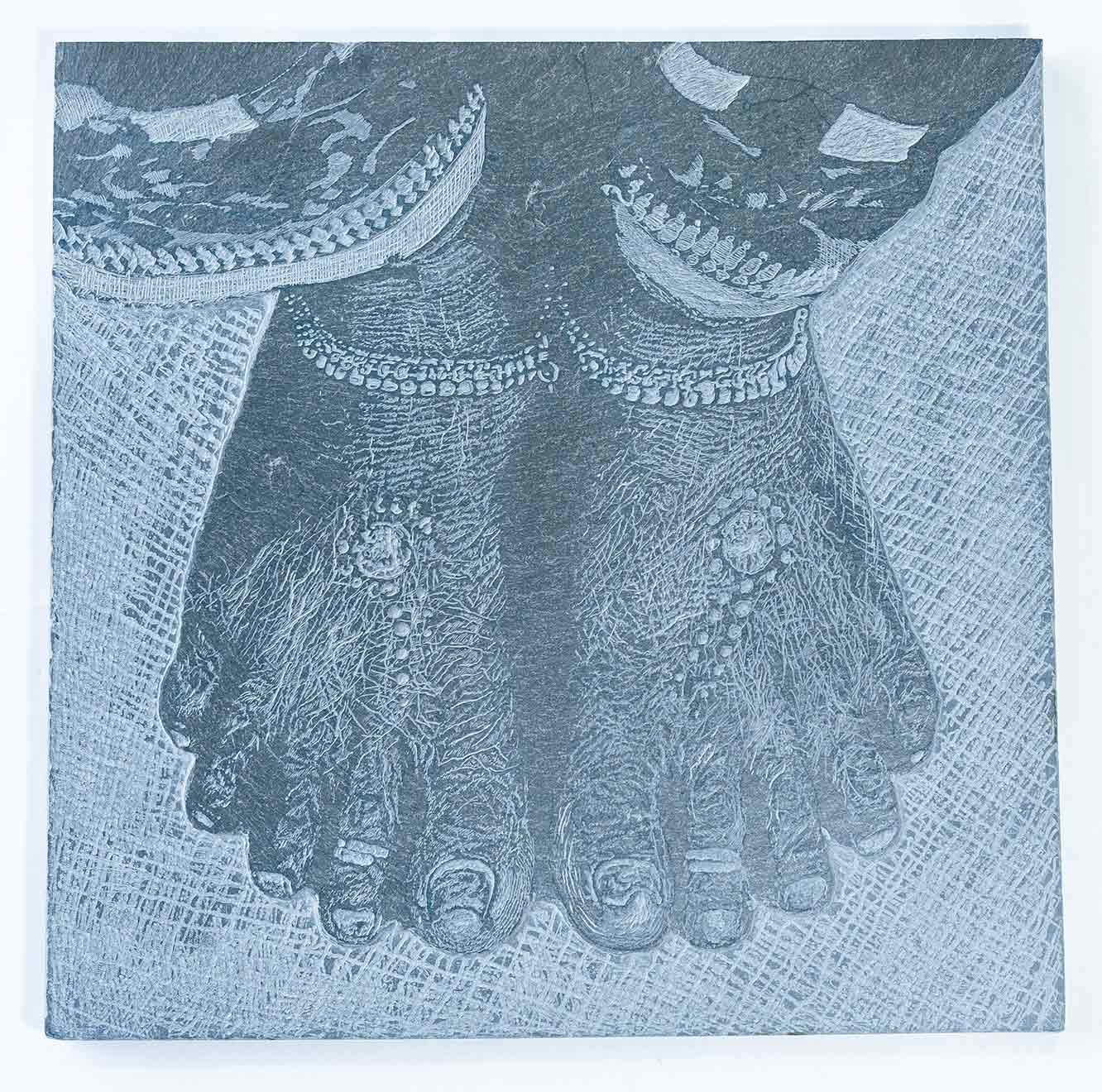
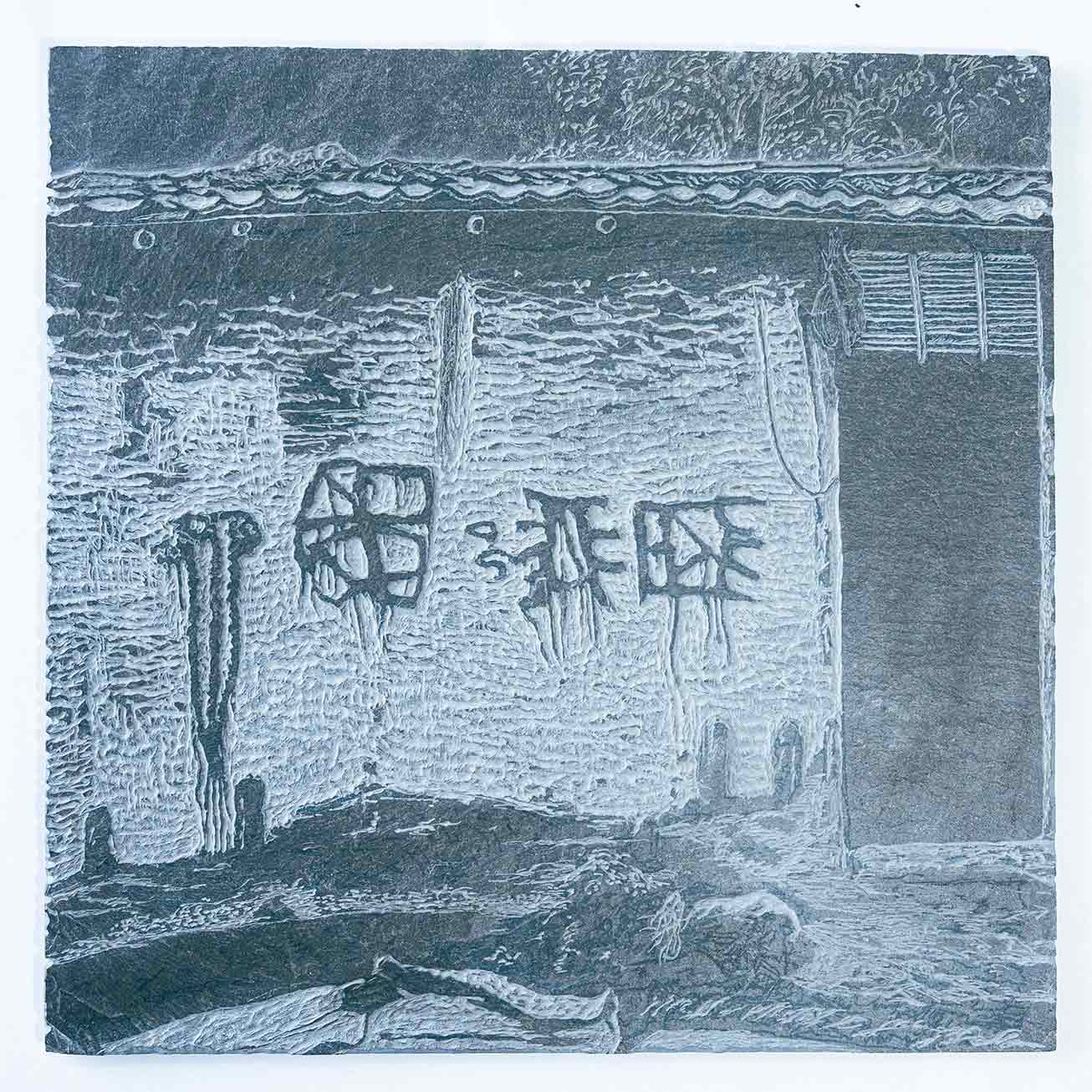
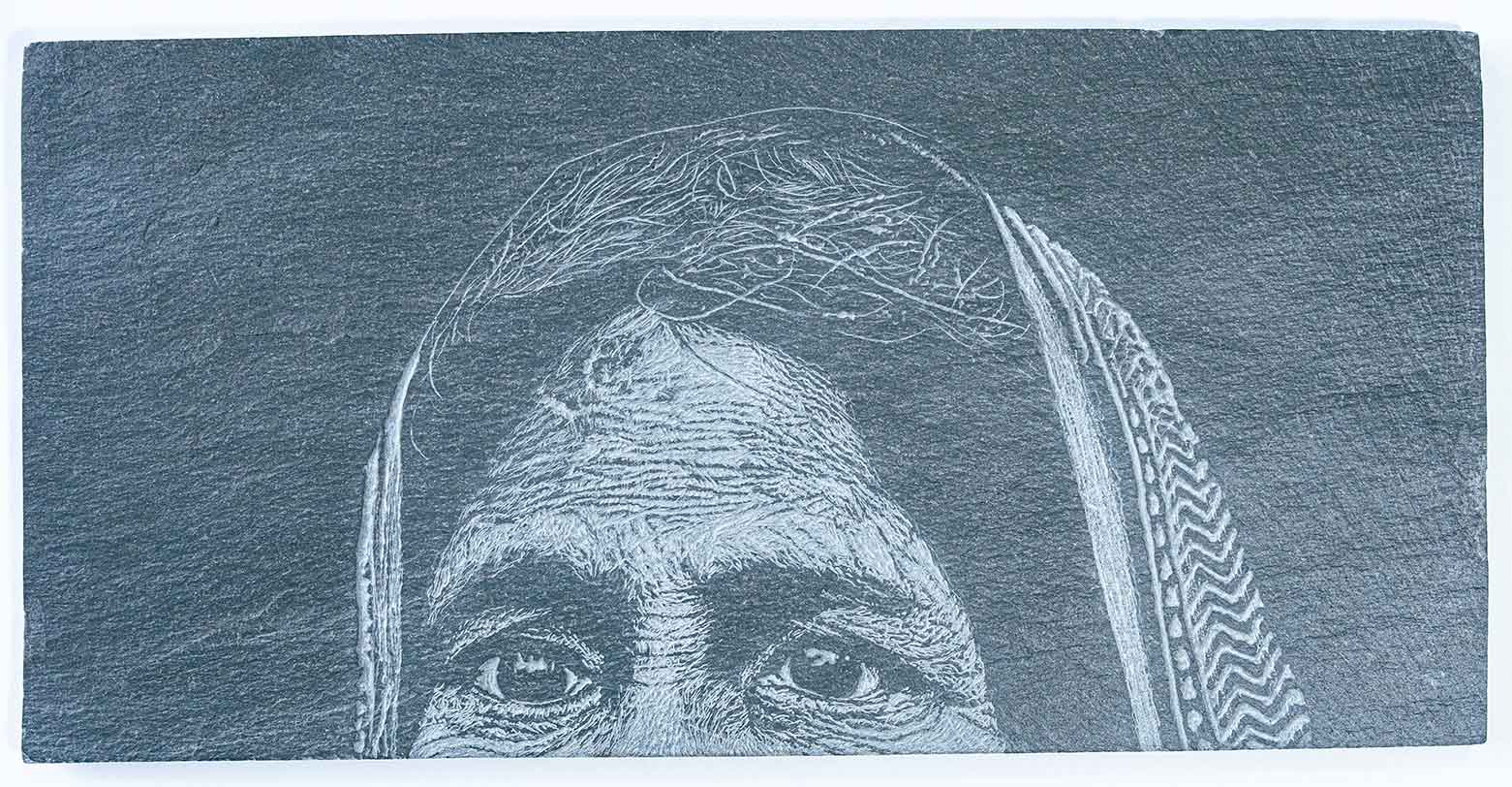
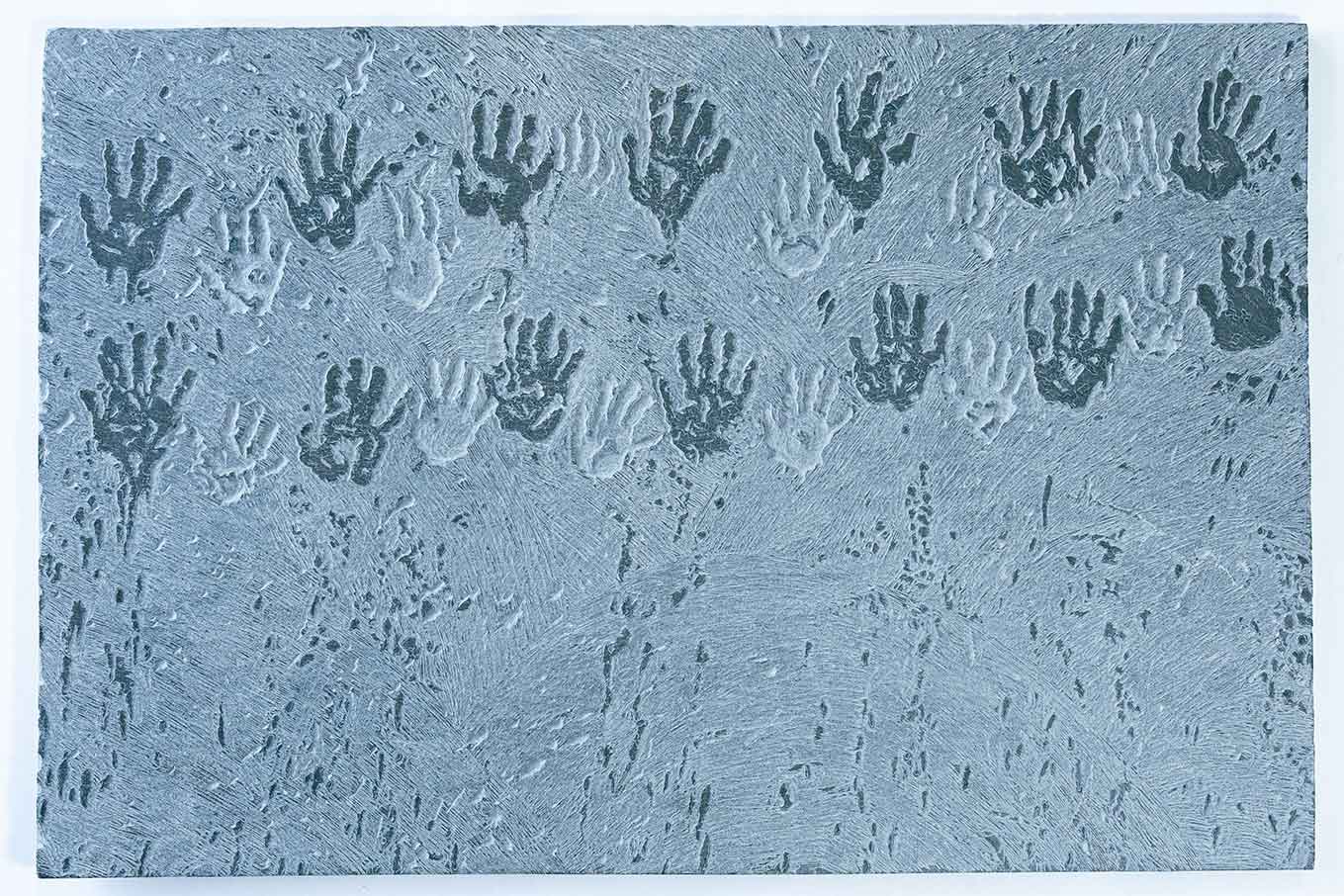
In this project, she engaged closely with the stories of women from Dhankaul, primarily from the Musahar and Dalit communities. She was drawn to the vibrant colors of their dhoti sarees and the histories etched in their godana tattoos. These visible marks carry layers of struggle, hope, and history. She chose carving into stone, a medium traditionally reserved for making figures of gods and important persons, to challenge the social stigma faced by Mushahar and Dalit women, and to honor their strength and elevate their narratives.
The process involved capturing their portraits and surroundings before inscribing their resilience into stone. Additionally, she incorporated into the work bamboo as the symbol of the women’s homes, and of communal solidarity which provides structure and support. Through these materials, she aims to reveal the powerful, often invisible stories woven into the lives and landscapes of the Mushahar and Dalit women of Dhanakul, and to celebrate their endurance and collective strength.
The process involved capturing their portraits and surroundings before inscribing their resilience into stone. Additionally, she incorporated into the work bamboo as the symbol of the women’s homes, and of communal solidarity which provides structure and support. Through these materials, she aims to reveal the powerful, often invisible stories woven into the lives and landscapes of the Mushahar and Dalit women of Dhanakul, and to celebrate their endurance and collective strength.
नबिना सुनुवार, जन्म सन् १९९२, काठमाडौँ
यस परियोजनाका लागि उनी धनकौलका मुख्यत: मुसहर र दलित समुदायका महिलाका कथाहरूसँग निकटरूपमा संलग्न भइन् । महिलाहरूले पहिरिने धोतीका चम्किला रङ र उनीहरूका अंगका गोद्नामा खोपिएका उनीहरूका इतिहासले उनको ध्यान खिच्यो । यी स्पष्ट देखिने निशानहरूले सङ्घर्ष, आशा, र इतिहासका थुप्रै तह बोकेका छन् । मुसहर र दलित महिलाले सामना गर्नु परेको सामाजिक लांक्षनालाई चुनौती दिन र उनीहरूको शक्तिको सम्मान गर्दै उनीहरूका कथालाई बुलन्द बनाउन उनले ढुङ्गामा कुँद्ने कला रोजिन्, जुन परम्परागत रूपमा देउता र महत्त्वपूर्ण व्यक्तिहरूको मूर्ति बनाउनमा सीमित राखिएको माध्यम पनि हो ।
ढुङ्गामा महिलाहरूको दृढता कुँद्नुअघि यो प्रक्रियामा उनीहरूको अनुहारको आकृति र सेरोफेरो खिच्नु पर्ने थियो । यसका साथै यी महिलाका घरहरू र संरचना तथा टेवा दिने सामूहिक एकताको प्रतीकको रूपमा उनले बाँसलाई पनि कृतिमा सामेल गरिन् । यी सामग्रीमार्फत उनले धनकौलका मुसहर र दलित महिलाका जीवन तथा परिदृश्यमा बुनिएका शक्तिशाली तर प्राय: अदृश्य रहेका कथालाई उजागर गर्ने र उनीहरूको धैर्य तथा सामूहिक शक्तिको प्रशंसा गर्ने लक्ष्य राखेकी छिन् ।
ढुङ्गामा महिलाहरूको दृढता कुँद्नुअघि यो प्रक्रियामा उनीहरूको अनुहारको आकृति र सेरोफेरो खिच्नु पर्ने थियो । यसका साथै यी महिलाका घरहरू र संरचना तथा टेवा दिने सामूहिक एकताको प्रतीकको रूपमा उनले बाँसलाई पनि कृतिमा सामेल गरिन् । यी सामग्रीमार्फत उनले धनकौलका मुसहर र दलित महिलाका जीवन तथा परिदृश्यमा बुनिएका शक्तिशाली तर प्राय: अदृश्य रहेका कथालाई उजागर गर्ने र उनीहरूको धैर्य तथा सामूहिक शक्तिको प्रशंसा गर्ने लक्ष्य राखेकी छिन् ।
Nabina Sunuwar, b. 1992 CE (2049 BS), Kathmandu
In this project, she engaged closely with the stories of women from Dhankaul, primarily from the Musahar and Dalit communities. She was drawn to the vibrant colors of their dhoti sarees and the histories etched in their godana tattoos. These visible marks carry layers of struggle, hope, and history. She chose carving into stone, a medium traditionally reserved for making figures of gods and important persons, to challenge the social stigma faced by Mushahar and Dalit women, and to honor their strength and elevate their narratives.
The process involved capturing their portraits and surroundings before inscribing their resilience into stone. Additionally, she incorporated into the work bamboo as the symbol of the women’s homes, and of communal solidarity which provides structure and support. Through these materials, she aims to reveal the powerful, often invisible stories woven into the lives and landscapes of the Mushahar and Dalit women of Dhanakul, and to celebrate their endurance and collective strength.
The process involved capturing their portraits and surroundings before inscribing their resilience into stone. Additionally, she incorporated into the work bamboo as the symbol of the women’s homes, and of communal solidarity which provides structure and support. Through these materials, she aims to reveal the powerful, often invisible stories woven into the lives and landscapes of the Mushahar and Dalit women of Dhanakul, and to celebrate their endurance and collective strength.
नबिना सुनुवार, जन्म सन् १९९२, काठमाडौँ
यस परियोजनाका लागि उनी धनकौलका मुख्यत: मुसहर र दलित समुदायका महिलाका कथाहरूसँग निकटरूपमा संलग्न भइन् । महिलाहरूले पहिरिने धोतीका चम्किला रङ र उनीहरूका अंगका गोद्नामा खोपिएका उनीहरूका इतिहासले उनको ध्यान खिच्यो । यी स्पष्ट देखिने निशानहरूले सङ्घर्ष, आशा, र इतिहासका थुप्रै तह बोकेका छन् । मुसहर र दलित महिलाले सामना गर्नु परेको सामाजिक लांक्षनालाई चुनौती दिन र उनीहरूको शक्तिको सम्मान गर्दै उनीहरूका कथालाई बुलन्द बनाउन उनले ढुङ्गामा कुँद्ने कला रोजिन्, जुन परम्परागत रूपमा देउता र महत्त्वपूर्ण व्यक्तिहरूको मूर्ति बनाउनमा सीमित राखिएको माध्यम पनि हो ।
ढुङ्गामा महिलाहरूको दृढता कुँद्नुअघि यो प्रक्रियामा उनीहरूको अनुहारको आकृति र सेरोफेरो खिच्नु पर्ने थियो । यसका साथै यी महिलाका घरहरू र संरचना तथा टेवा दिने सामूहिक एकताको प्रतीकको रूपमा उनले बाँसलाई पनि कृतिमा सामेल गरिन् । यी सामग्रीमार्फत उनले धनकौलका मुसहर र दलित महिलाका जीवन तथा परिदृश्यमा बुनिएका शक्तिशाली तर प्राय: अदृश्य रहेका कथालाई उजागर गर्ने र उनीहरूको धैर्य तथा सामूहिक शक्तिको प्रशंसा गर्ने लक्ष्य राखेकी छिन् ।
ढुङ्गामा महिलाहरूको दृढता कुँद्नुअघि यो प्रक्रियामा उनीहरूको अनुहारको आकृति र सेरोफेरो खिच्नु पर्ने थियो । यसका साथै यी महिलाका घरहरू र संरचना तथा टेवा दिने सामूहिक एकताको प्रतीकको रूपमा उनले बाँसलाई पनि कृतिमा सामेल गरिन् । यी सामग्रीमार्फत उनले धनकौलका मुसहर र दलित महिलाका जीवन तथा परिदृश्यमा बुनिएका शक्तिशाली तर प्राय: अदृश्य रहेका कथालाई उजागर गर्ने र उनीहरूको धैर्य तथा सामूहिक शक्तिको प्रशंसा गर्ने लक्ष्य राखेकी छिन् ।
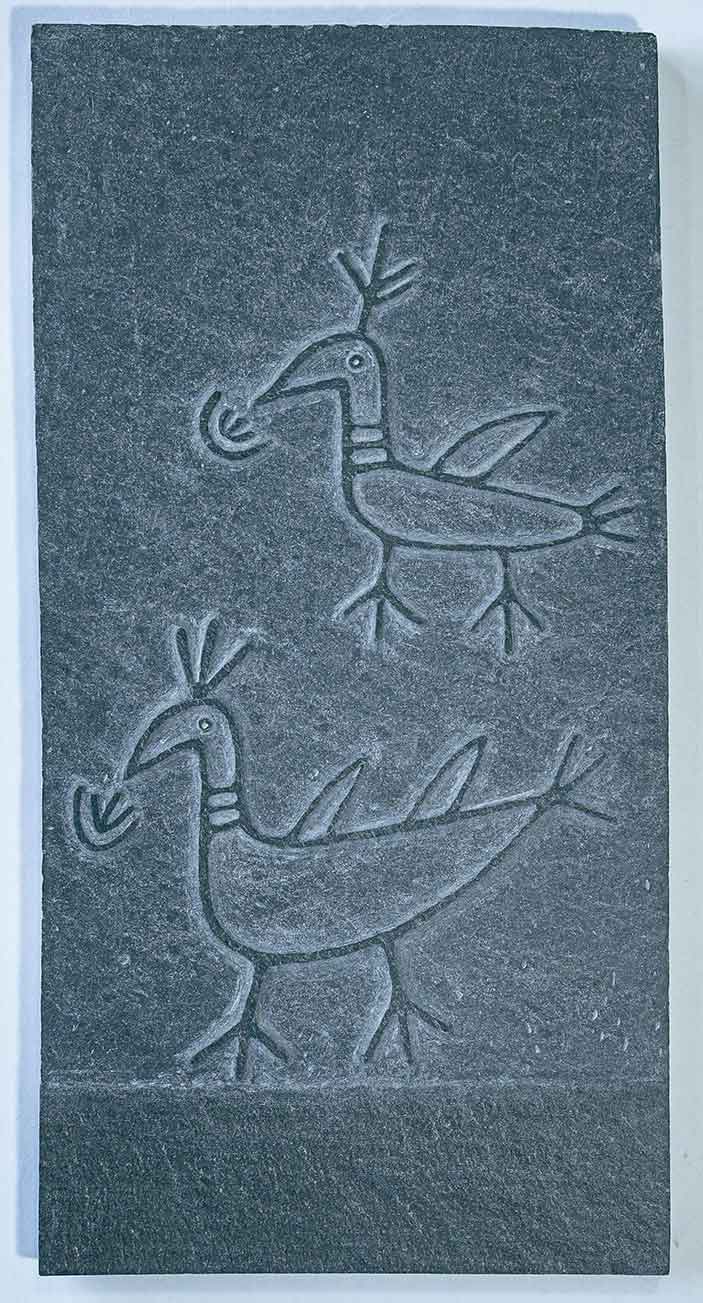
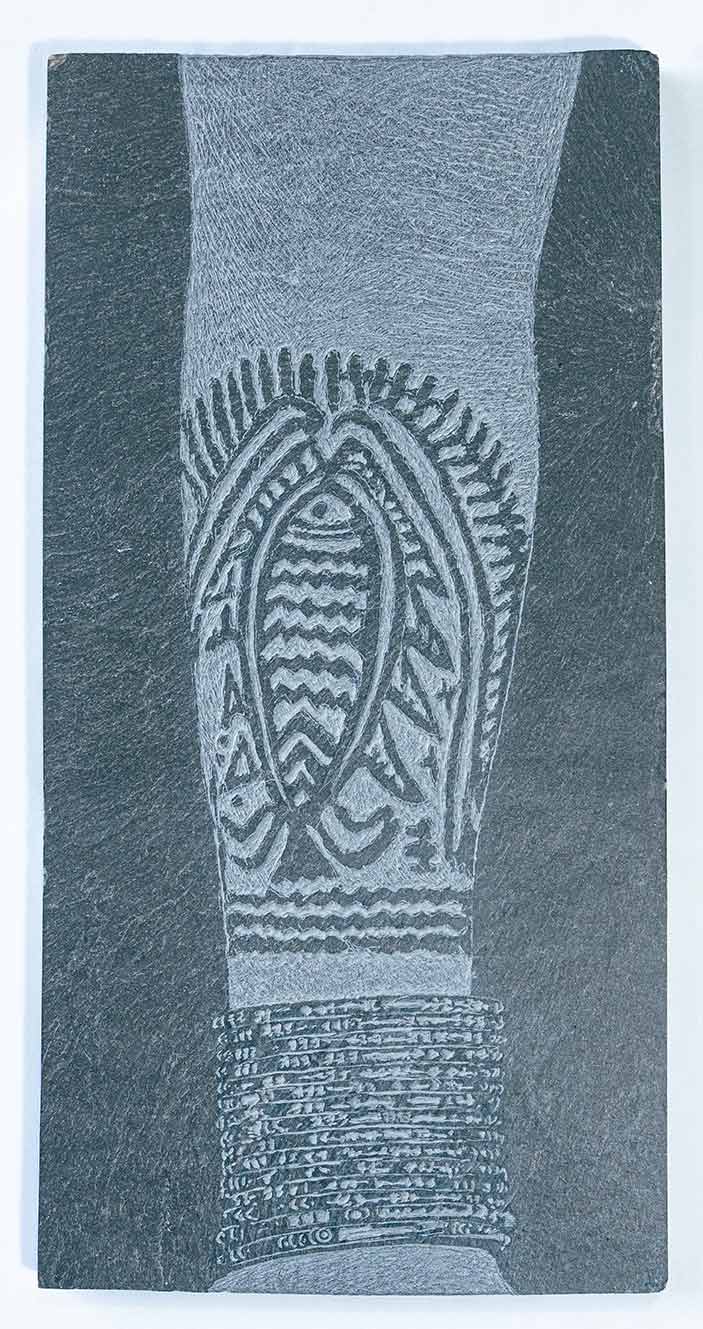
Inscribed in Skin & Stone, 2024
Engraving on Stone
varied sizes
varied sizes
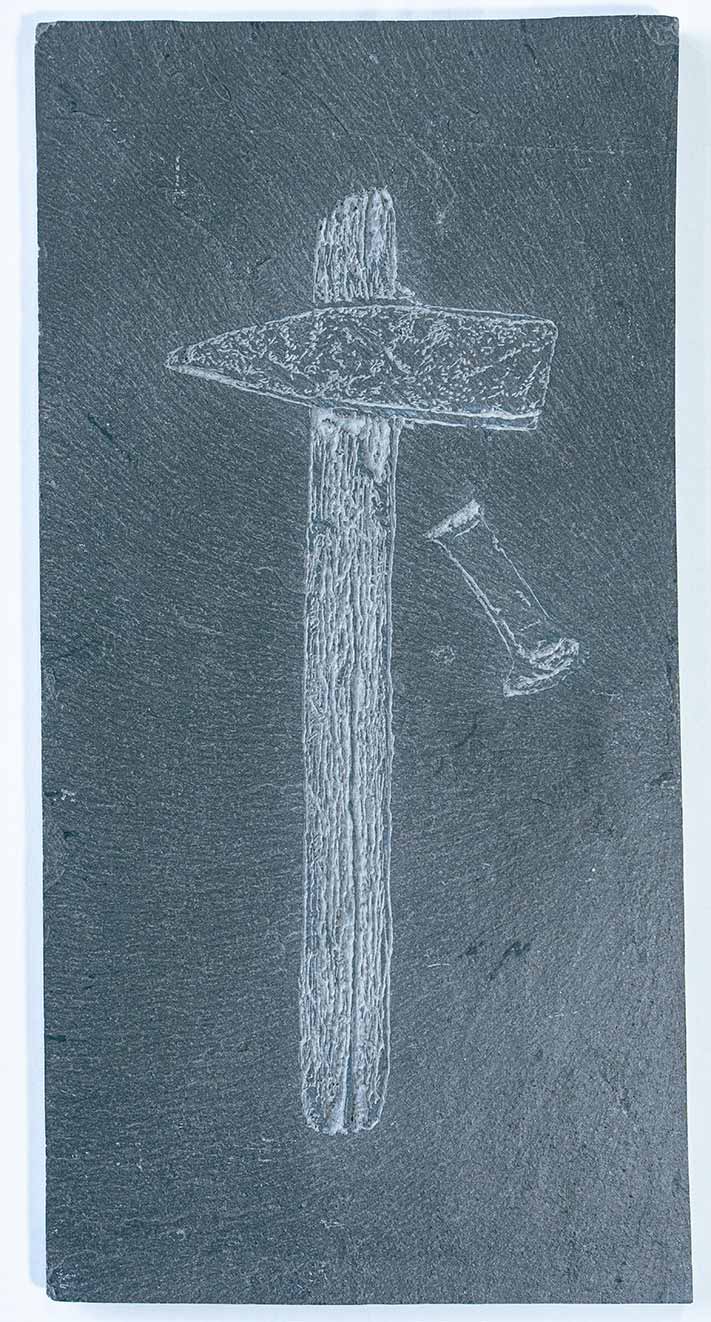
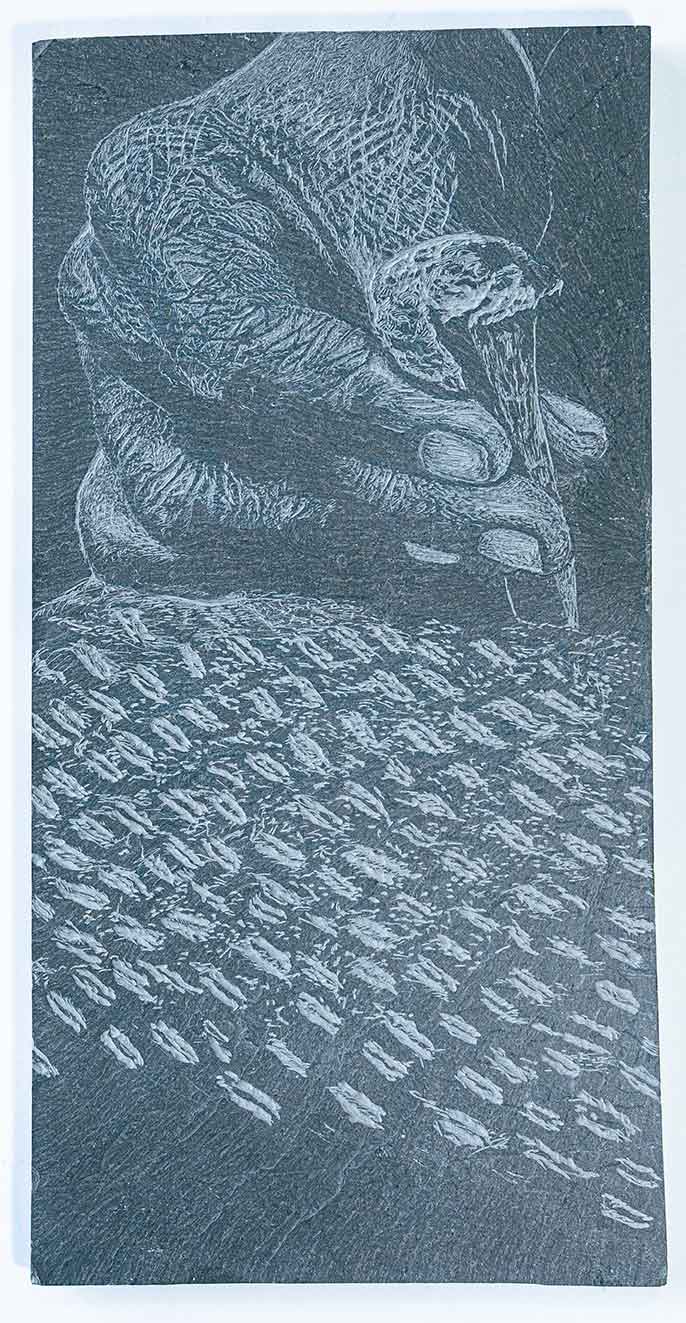
Mina Sau Thateri has been carving stone mortars for villagers, a demanding job requiring great physical strength and determination, after she lost her husband and the means to support herself and her son. Mina travels through the village with her hammer and chisel, enduring flying shards of flint and bruised hands, keeping at her labor despite the toll on her body and spirit. Although a widow under Hinduism, she wears bright, colorful clothes as a way to reclaim joy and identity. Her vibrant clothing becomes a form of Shringar, a bold declaration of inner vitality and overt aesthetics. Her story is of deep resilience, perseverance, and quiet strength.
Nabina Sunuwar sought to capture this contrast between her heavy labor and light spirit in these stone carvings depicting Mina Sau in her surroundings of Dhanakul. As a printmaker, Nabina found a deep connection between Mina’s story and her own process of creating art – whereas Mina carved into stone, Nabina carved woodcuts. Stone mortar carving, a labor-intensive and challenging craft, has historically been associated with lower caste identities. Through this work, Nabina seeks to challenge the stigma surrounding women, often seen as weak, and highlight how courage and perseverance empower them to pursue paths that society deems forbidden or masculine.
Nabina Sunuwar sought to capture this contrast between her heavy labor and light spirit in these stone carvings depicting Mina Sau in her surroundings of Dhanakul. As a printmaker, Nabina found a deep connection between Mina’s story and her own process of creating art – whereas Mina carved into stone, Nabina carved woodcuts. Stone mortar carving, a labor-intensive and challenging craft, has historically been associated with lower caste identities. Through this work, Nabina seeks to challenge the stigma surrounding women, often seen as weak, and highlight how courage and perseverance empower them to pursue paths that society deems forbidden or masculine.
छाला र ढुङ्गामा कुँदिएका, सन् २०२४
ढुङ्गामा कुँदाइ
विभिन्न आकार
विभिन्न आकार
श्रीमान्सँगै आफ्नो र छोराको पालनपोषणको स्रोत गुमाएपछि मीना साउ ठटेरी गाउँलेहरूका लागि सिलौटा कुँद्ने जस्तो कडा शारीरिक बल र सङ्कल्प आवश्यक पर्ने काम गर्दै आएकी छिन् । ढुङ्गाका उड्ने चोइटा सहँदै र छियाछिया भएका हात लिएर शरीर र आत्मा जति नै थाकेपनि आफ्नो श्रमप्रति दृढ रहँदै मीना आफ्नो हतौडा र छिनो बोकेर गाउँभरि डुल्छिन् । विधवा बनेपछि उनले सामाजिक संस्कार अनुसार सेतो पहिरिने कि आफूखुसी रङ्गका कपडा पहिरिने रोज्नु पर्दा आफ्नो खुसी र पहिचानलाई कायम राख्ने उज्याला र रङ्गीन कपडा रोजिन् । उनका उजेला पहिरन भित्री जीवन्तता र स्पष्ट सौन्दर्यको साहसी घोषणाको शृंगार बनिदिन्छ । उनको कथा गहन लचिलोपन, दृढता र स्थिर शक्तिको हो ।
धनकौलको सेरोफेरोमा मीना साउलाई चित्रण गर्ने यी ढुङ्गाका कुँदाइमा नबिना सुनुवारले उनको कडा परिश्रम र सौम्य मनबीचको भिन्नता उतार्न खोजेकी छिन् । प्रिन्टमेकरका रूपमा नबिनाले मीनाका कथा र कला सिर्जनाको आफ्नो प्रक्रियाबीच गहिरो सम्बन्ध भेटिन् – मीनाले ढुङ्गामा कुँद्थिन् भने नबिना काठ कुँद्थिन् । सिलौटा कुँद्ने जस्तो कडा परिश्रमको चुनौतीपूर्ण सिप परम्परागत रूपमा तथाकथित तल्लो जातको पहिचानसँग जोडिँदै आएको छ । आफ्नो कलाकृति मार्फत नबिनाले महिलालाई प्राय: निर्बलाका रूपमा हेरिने सोचलाई चुनौती दिनुका साथै साहस र दृढताले कसरी महिलालाई समाजले निषेध गरेको वा ‘पुरुषको’ भनिएको बाटोमा पनि हिँड्ने शक्तिसम्पन्न बनाउँछ भन्नेबारे प्रकाश पार्न खोजेकी छिन् ।
धनकौलको सेरोफेरोमा मीना साउलाई चित्रण गर्ने यी ढुङ्गाका कुँदाइमा नबिना सुनुवारले उनको कडा परिश्रम र सौम्य मनबीचको भिन्नता उतार्न खोजेकी छिन् । प्रिन्टमेकरका रूपमा नबिनाले मीनाका कथा र कला सिर्जनाको आफ्नो प्रक्रियाबीच गहिरो सम्बन्ध भेटिन् – मीनाले ढुङ्गामा कुँद्थिन् भने नबिना काठ कुँद्थिन् । सिलौटा कुँद्ने जस्तो कडा परिश्रमको चुनौतीपूर्ण सिप परम्परागत रूपमा तथाकथित तल्लो जातको पहिचानसँग जोडिँदै आएको छ । आफ्नो कलाकृति मार्फत नबिनाले महिलालाई प्राय: निर्बलाका रूपमा हेरिने सोचलाई चुनौती दिनुका साथै साहस र दृढताले कसरी महिलालाई समाजले निषेध गरेको वा ‘पुरुषको’ भनिएको बाटोमा पनि हिँड्ने शक्तिसम्पन्न बनाउँछ भन्नेबारे प्रकाश पार्न खोजेकी छिन् ।
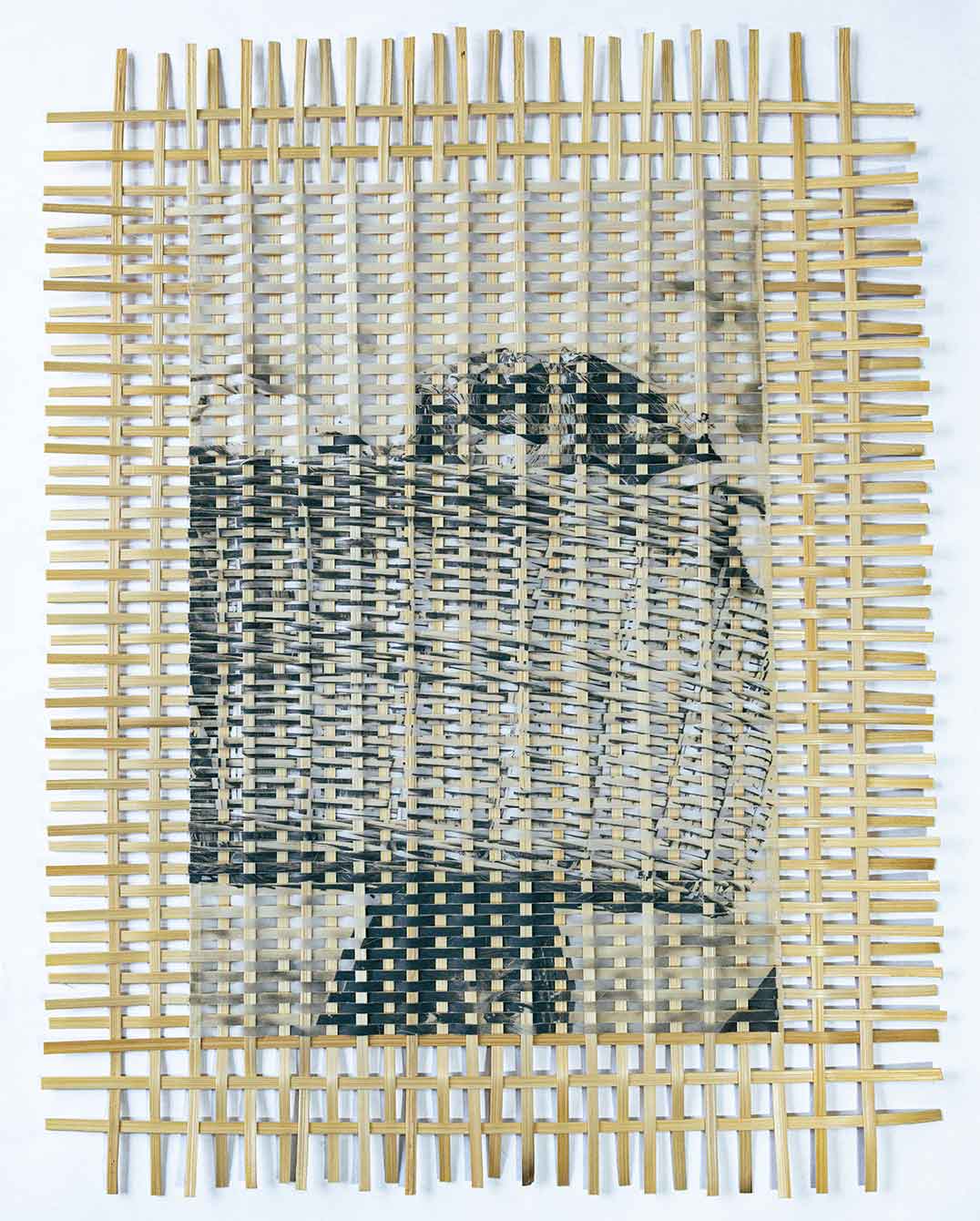
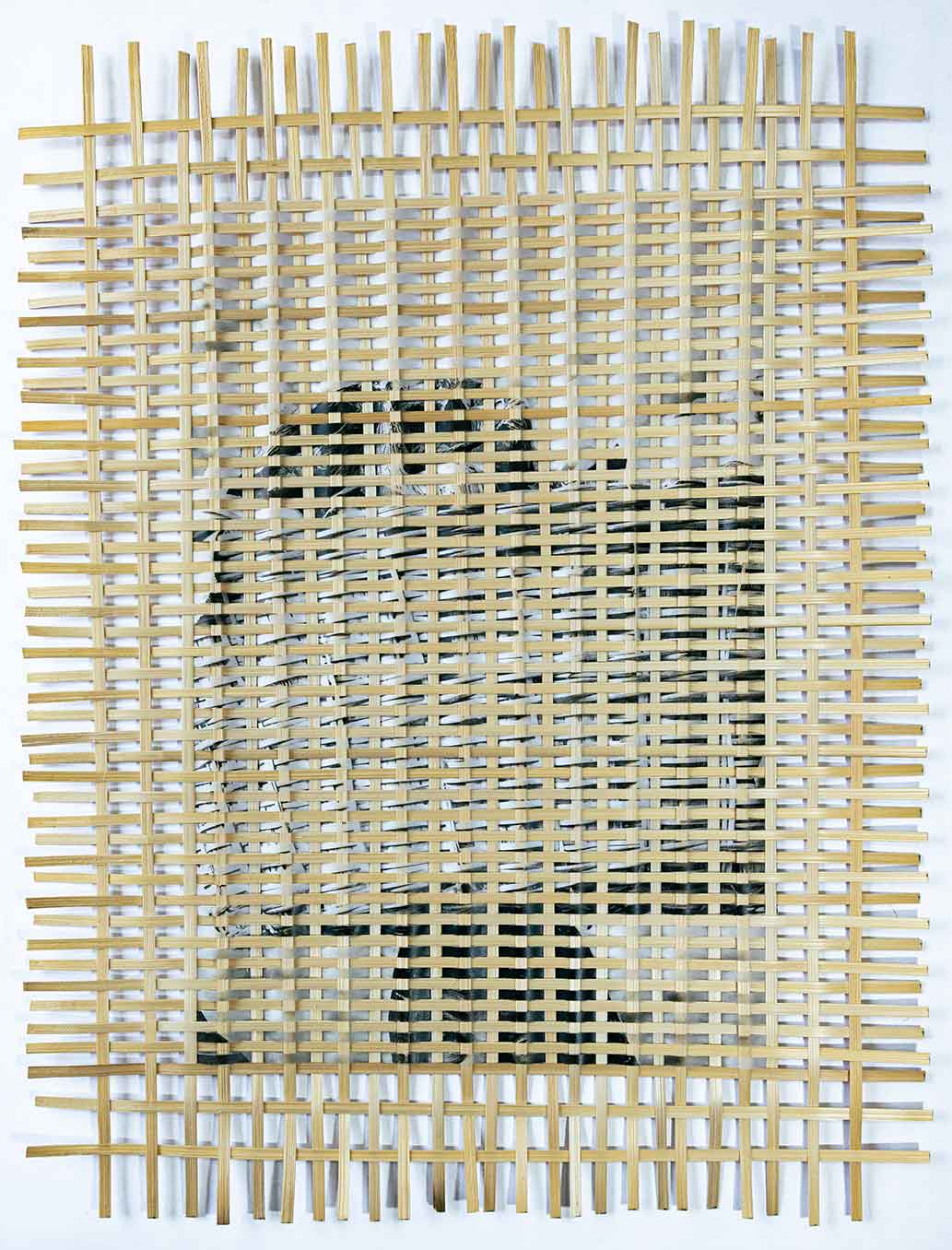
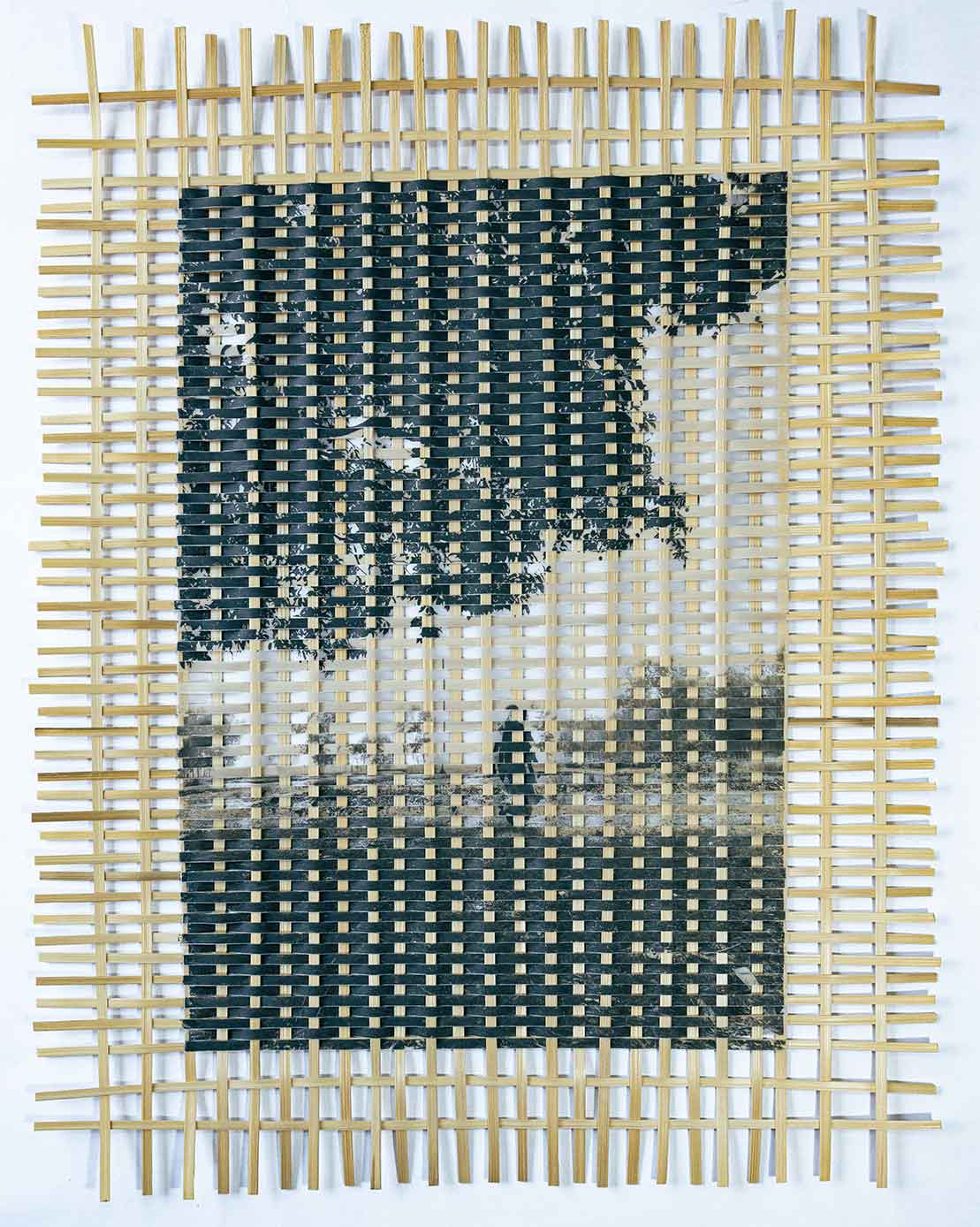
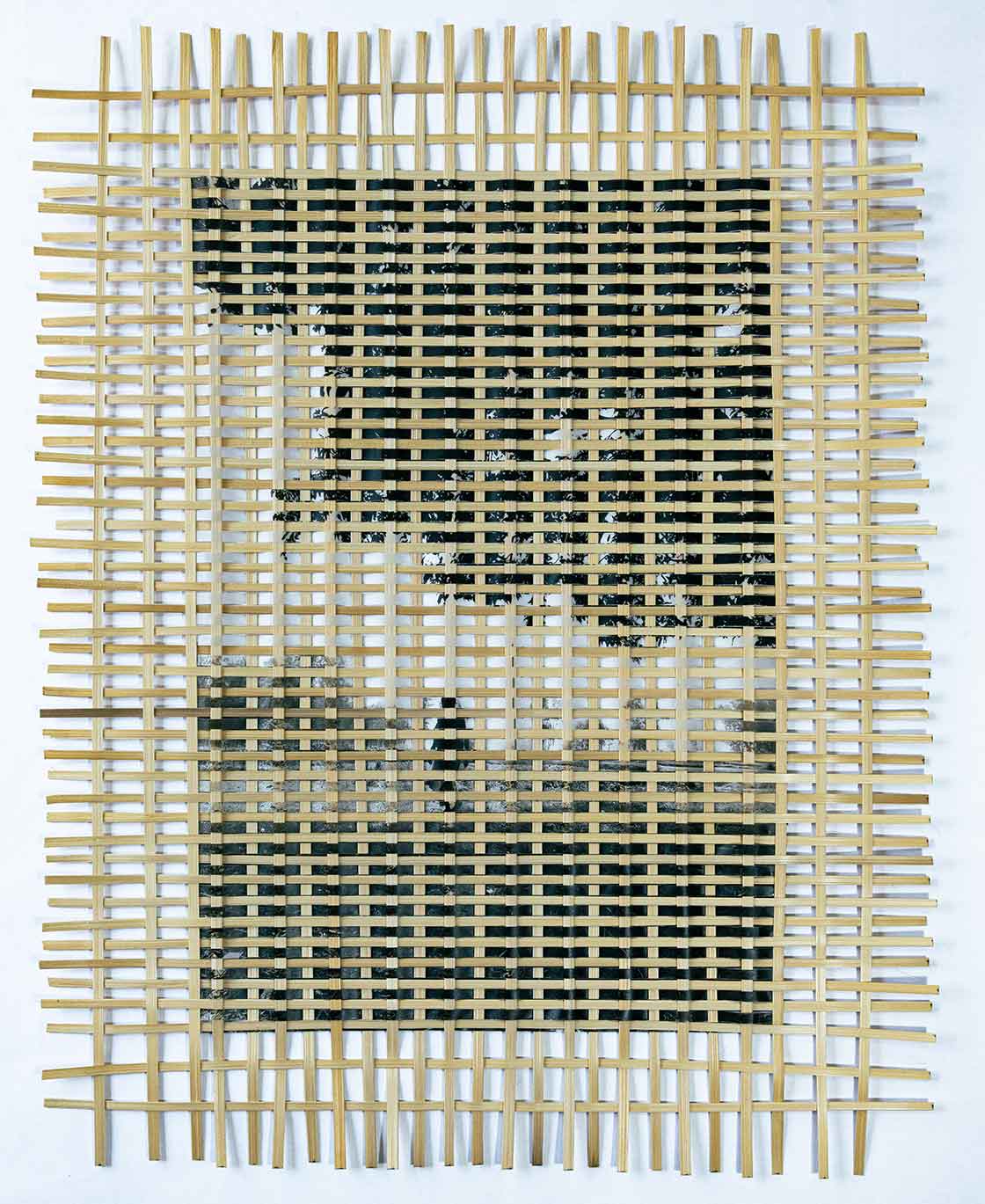
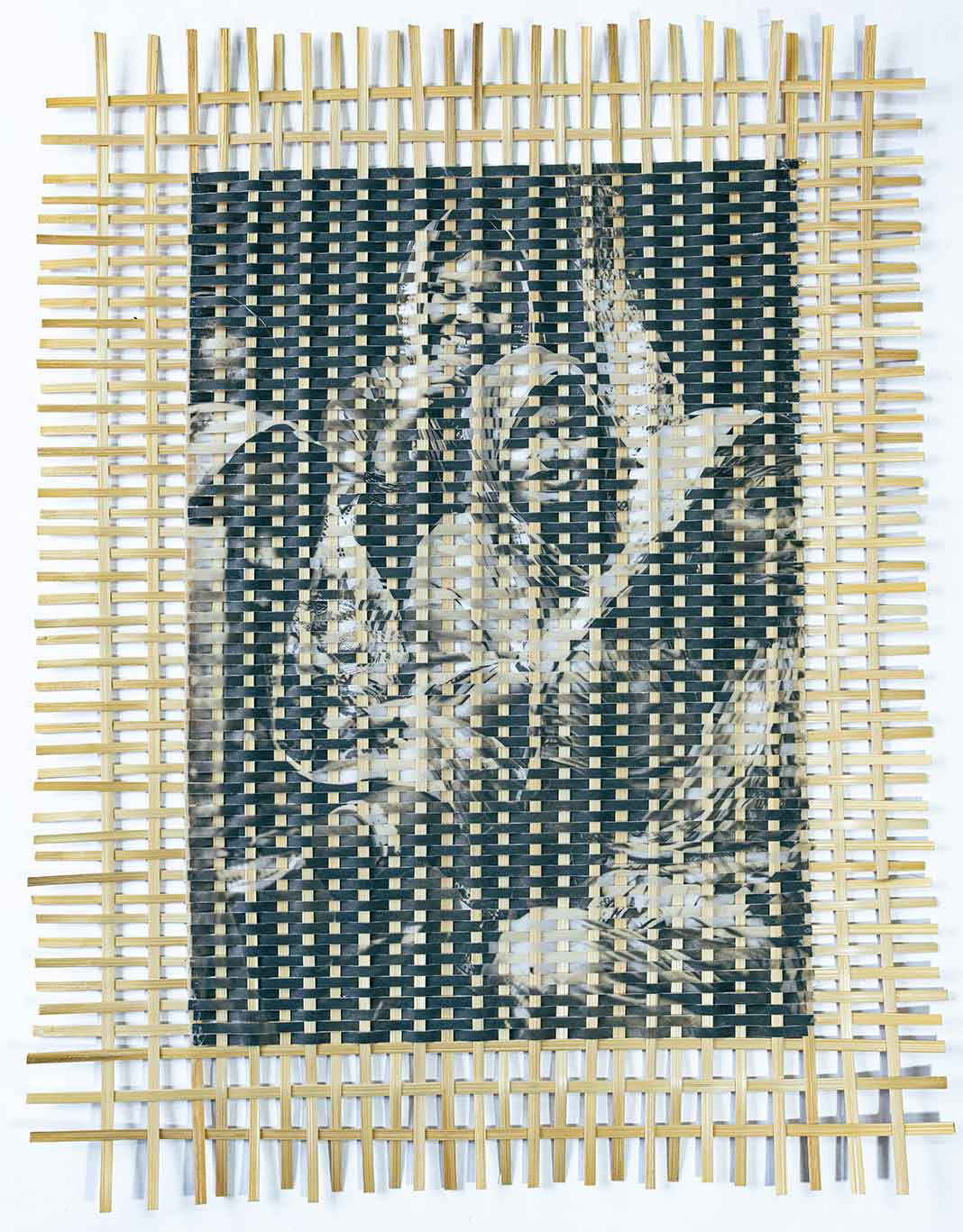
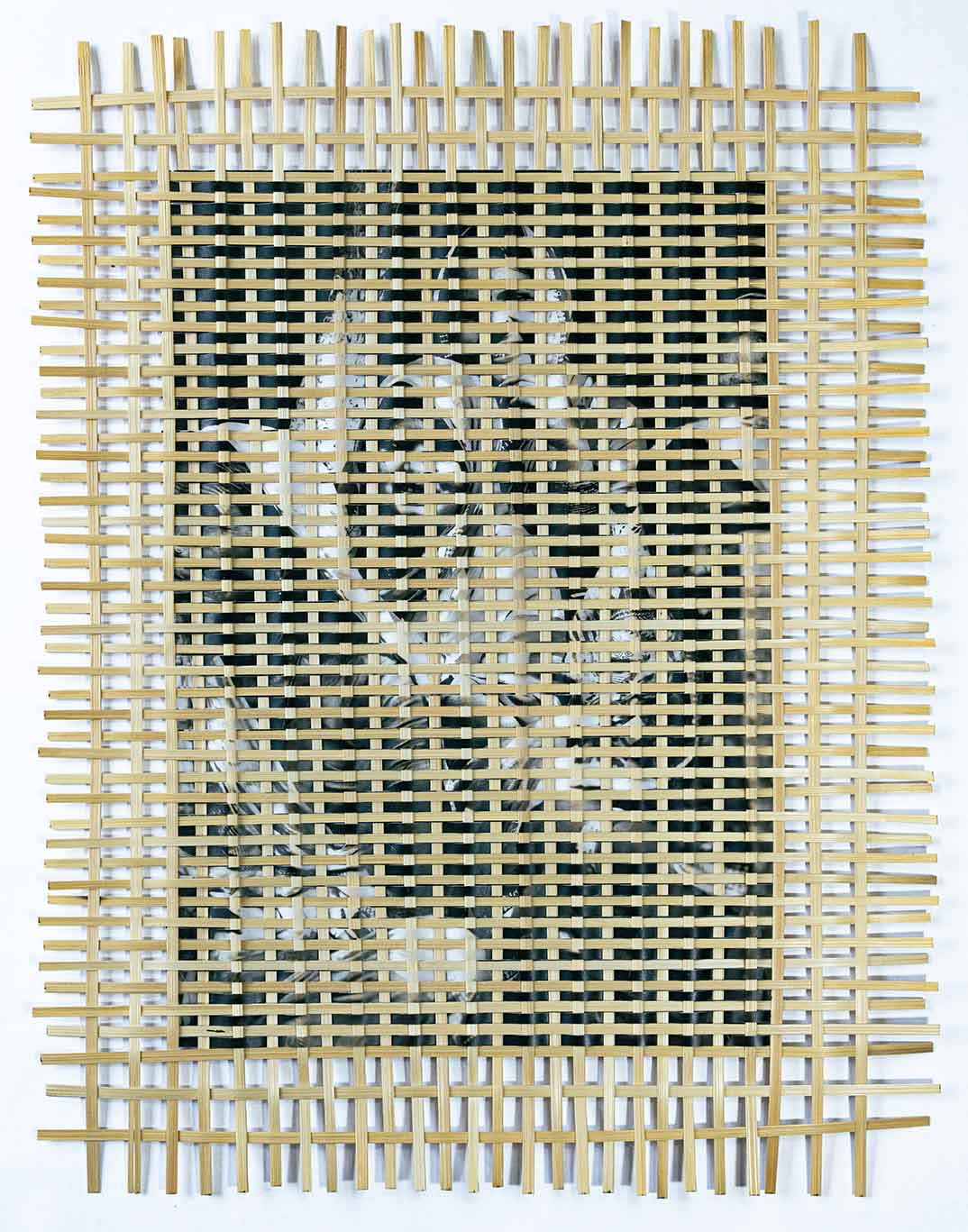
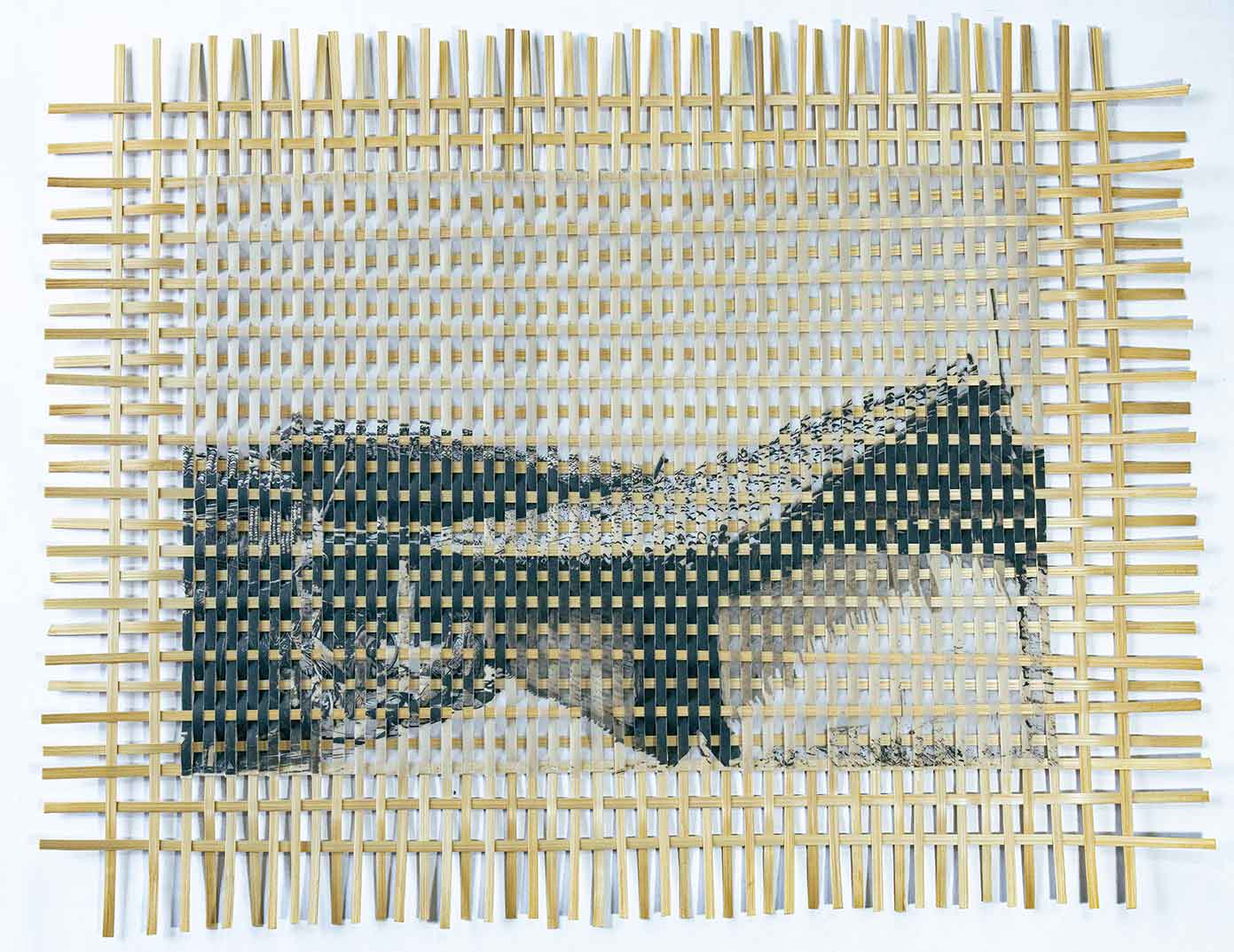
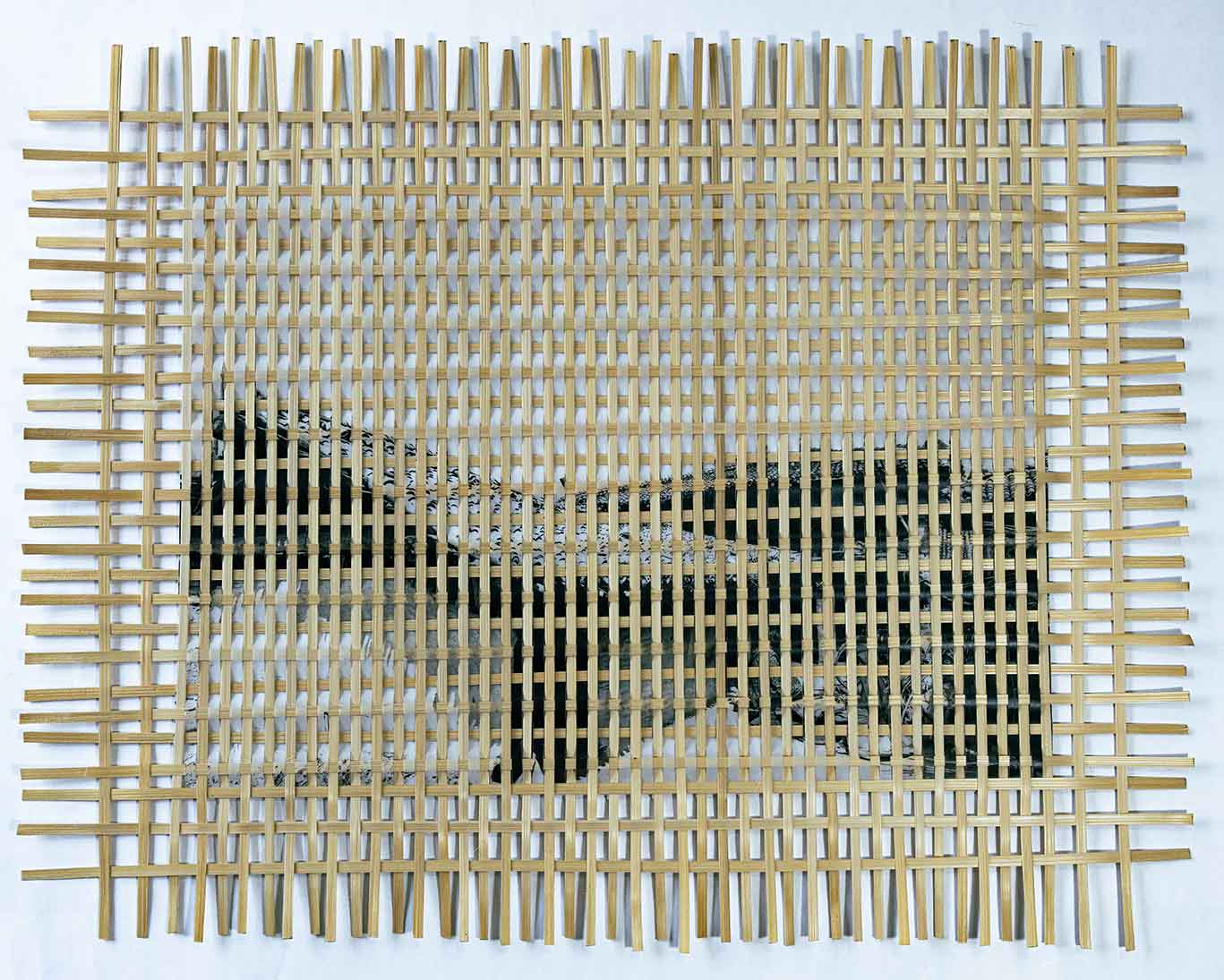
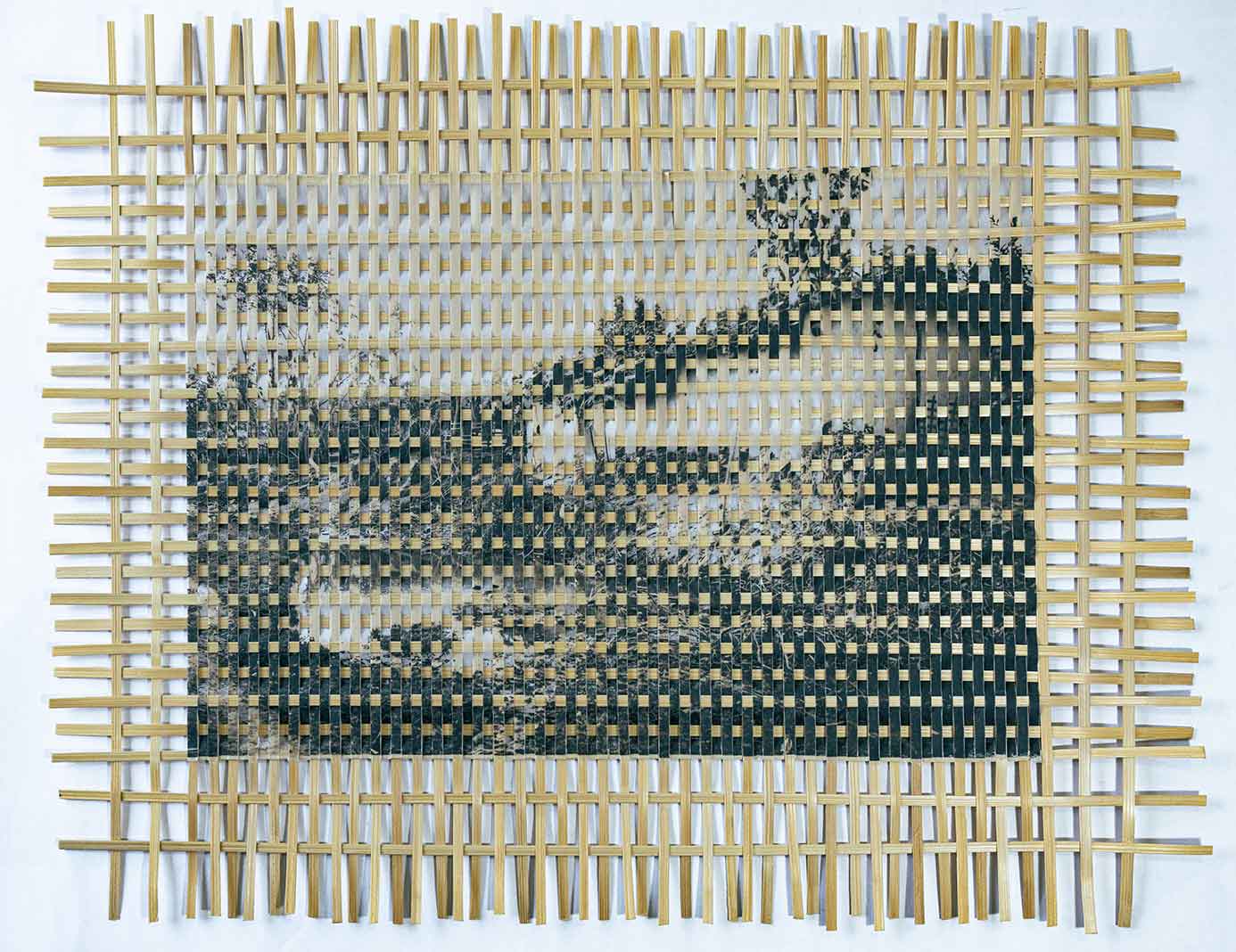
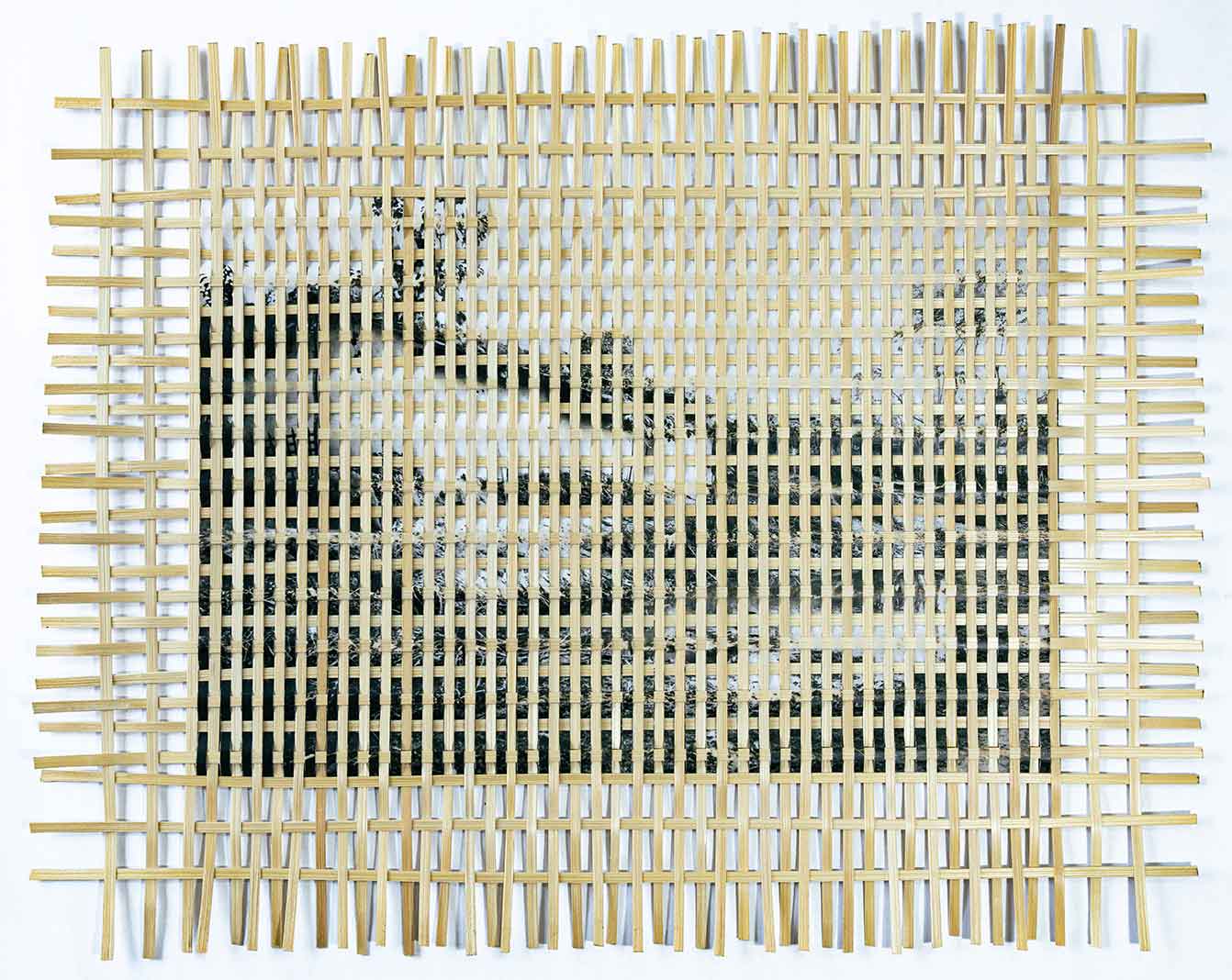
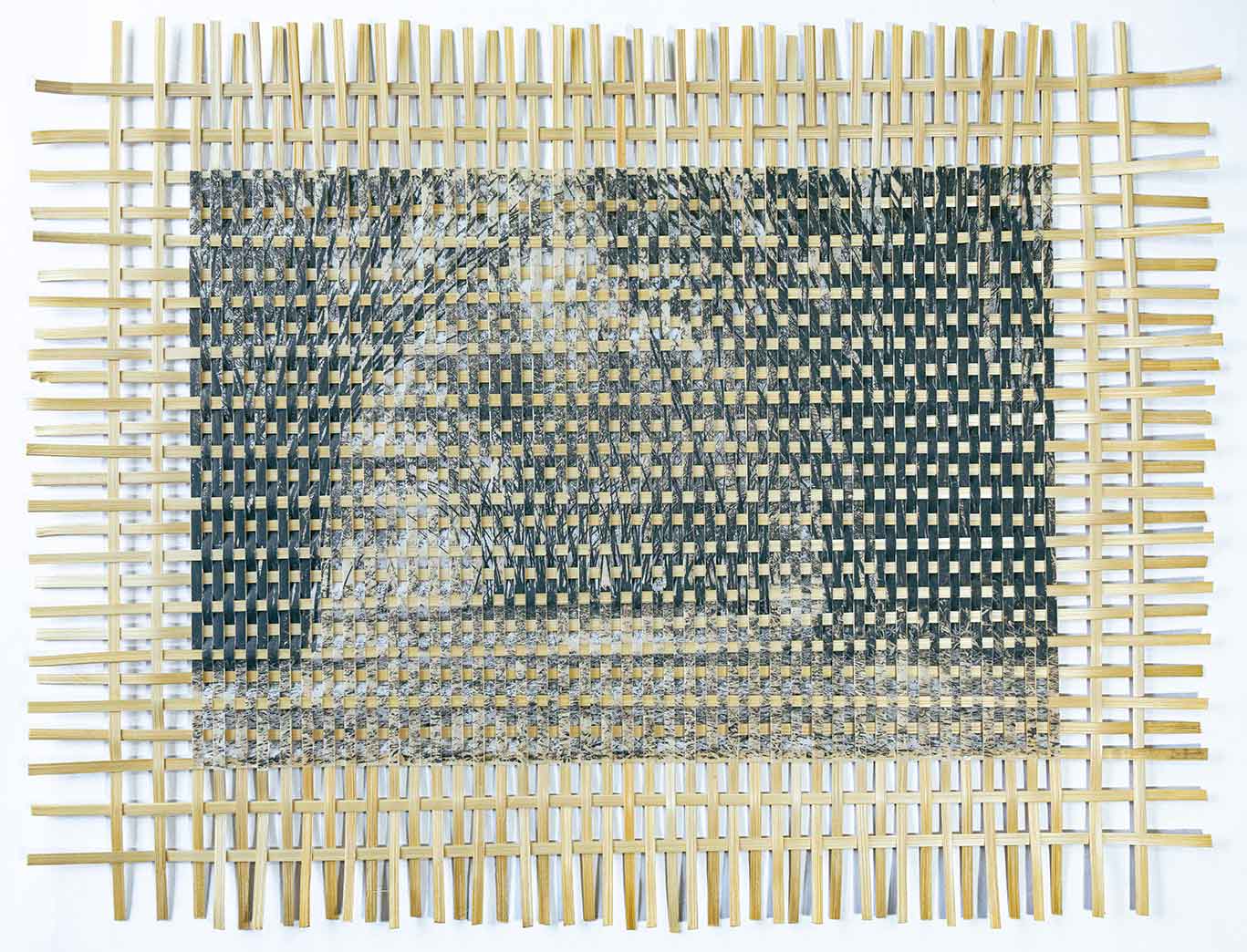
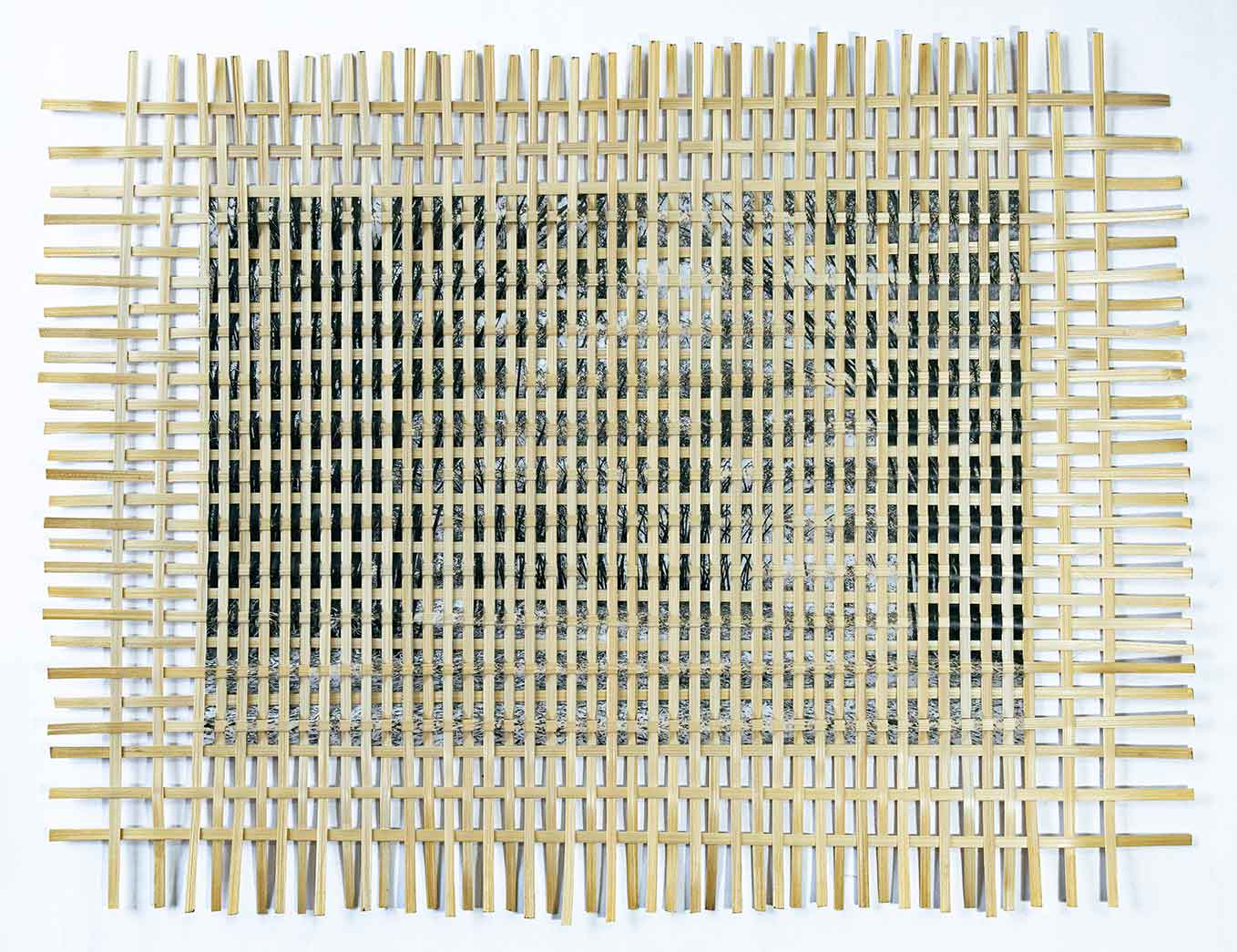
Tapestry of Strength, 2024
Bamboo and Images (print on tracing paper) Interwoven
11×16 inches each
11×16 inches each
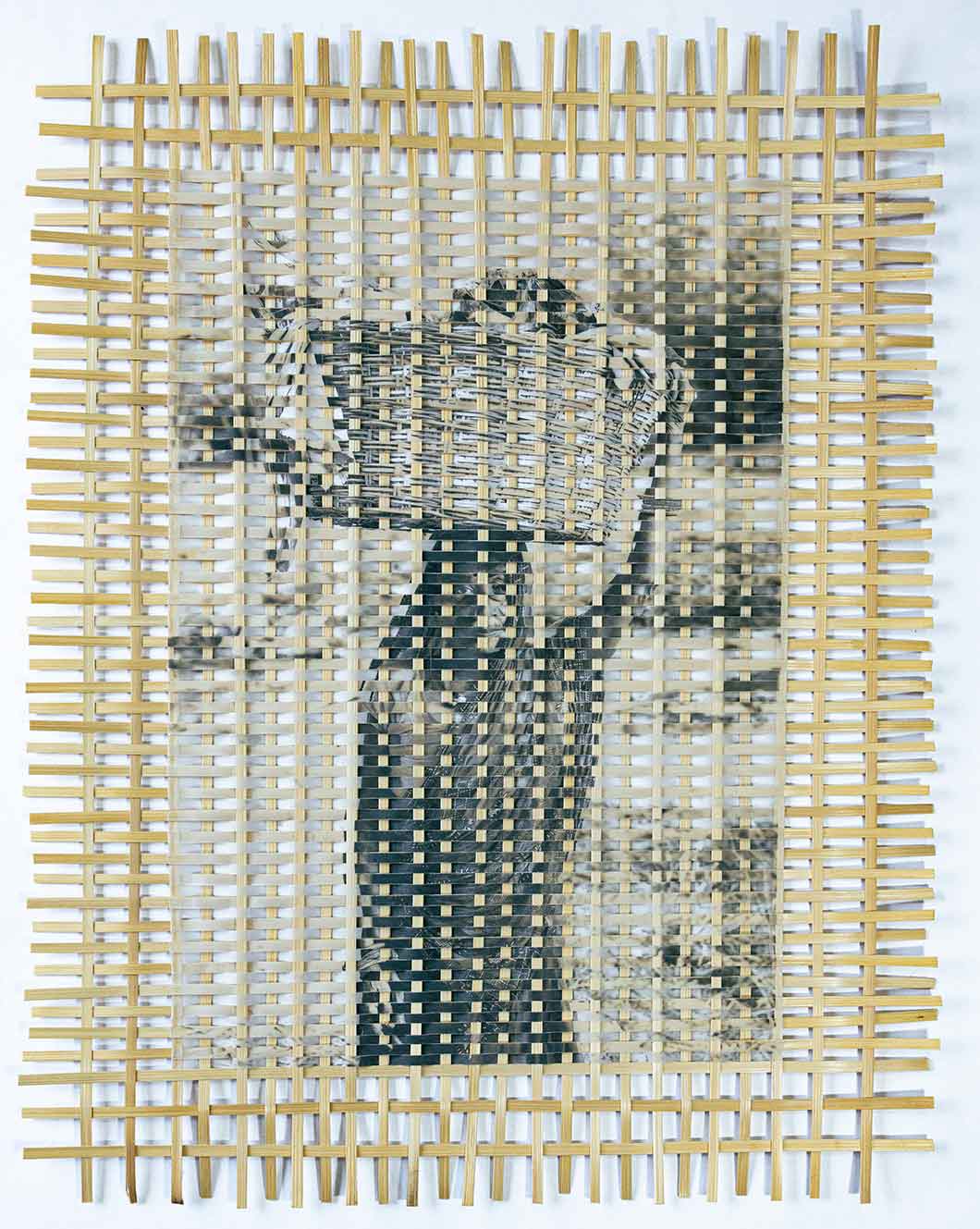
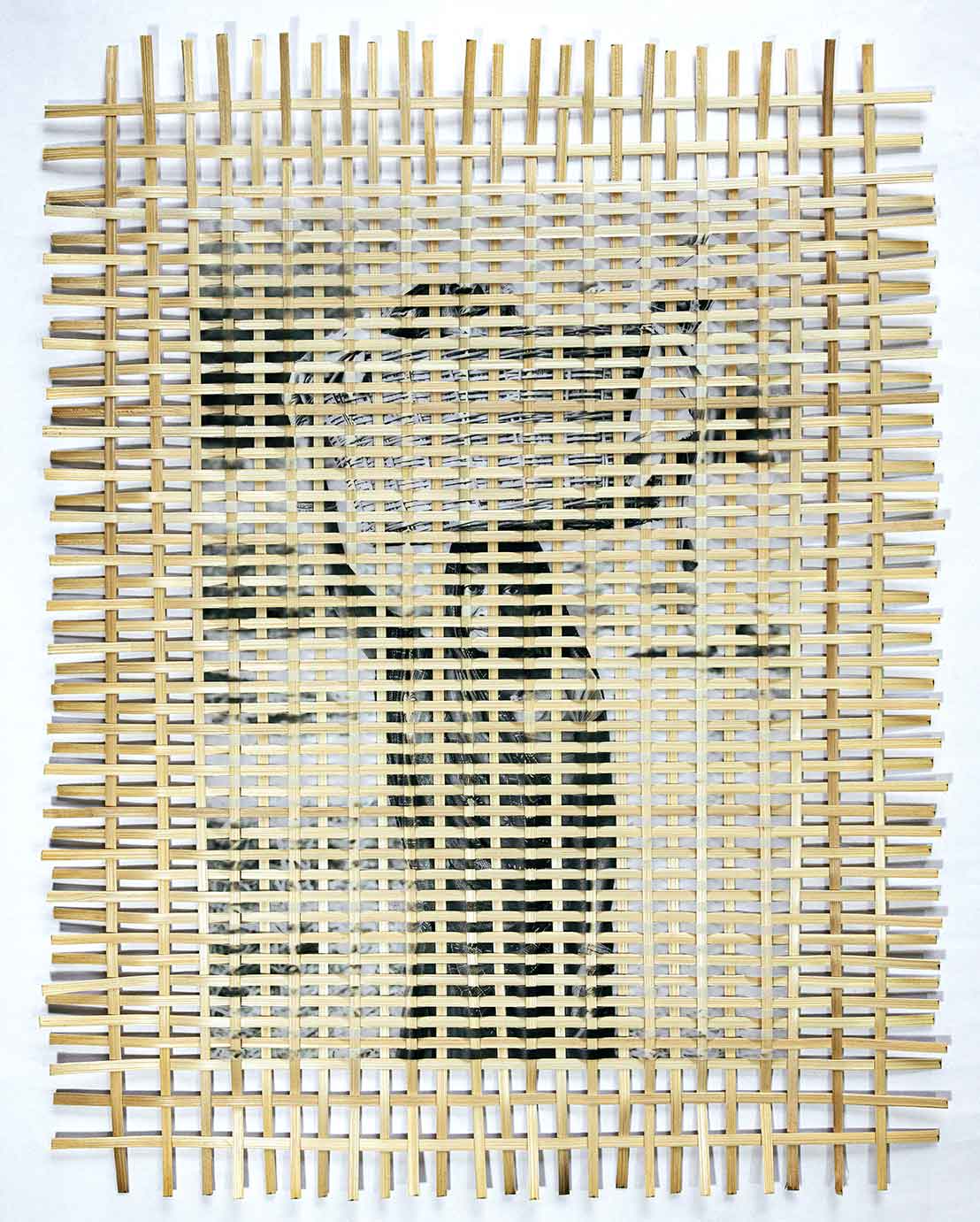
In Janaki Devi Ram’s story, home is an idea layered with sorrow. When her son wanted to build a dream in faraway Malaysia, Janaki Devi gave over her house to a moneylender and moved to unregistered land by a river. Her son’s dream of thriving in a foreign land remains unrealized, but the yearly floods that threaten to submerge her fragile shelter are far too real. With each season of rains and floods she moves her belongings to the safety of the nearby dharamshala, only to return and repair the damage once the waters recede.
Within this precarity, Janaki Devi sees her community as her true home, one that has supported her through loss, struggle, and uncertainty. Despite her hardships, Janaki travels from village to village, carrying a bamboo basket of bangles and cosmetics to sell. She is saving toward a dream of owning land and building a stable home. Yet, even through adversity, she helps other women, embodying solidarity and selflessness.
In these images woven with bamboo, Nabina conceals figures and also uses bamboo to provide structure, steadiness, and strength, mirroring the houses in Dhankaul, in which bamboo rafters bend over the years from their own weight, yet still offer selfless shelter.
Within this precarity, Janaki Devi sees her community as her true home, one that has supported her through loss, struggle, and uncertainty. Despite her hardships, Janaki travels from village to village, carrying a bamboo basket of bangles and cosmetics to sell. She is saving toward a dream of owning land and building a stable home. Yet, even through adversity, she helps other women, embodying solidarity and selflessness.
In these images woven with bamboo, Nabina conceals figures and also uses bamboo to provide structure, steadiness, and strength, mirroring the houses in Dhankaul, in which bamboo rafters bend over the years from their own weight, yet still offer selfless shelter.
शक्तिको चित्रपट, सन् २०२४
बाँस र चित्र (ट्रेसिङ काजगमा छापिएका) को बुनाइ
प्रत्येक ११x१६ इन्च
प्रत्येक ११x१६ इन्च
जानकीदेवी रामको कथामा घरको अवधारणामा दु:ख भरिएको छ । उनको छोराले टाढा मलेसियामा सपना साकार बनाउन चाहेपछि जानकीदेवीले आफ्नो घर साहूलाई सुम्पिएर नदी किनारको ऐलानी जग्गामा सरिन् । उनको छोराको विदेशी भूमिमा फस्टाउने सपना अधुरो र अमूर्त नै छ, तर हरेक वर्ष उनको कमजोर घर डुबाउने भय ल्याउने बाढी निकै वास्तविक छ । बाढी घटेपछि फर्केर घर मर्मत गर्नकै लागि मात्र प्रत्येक वर्षा र बाढीको मौसमसँगै उनी आफ्ना सामान नजिकैको धर्मशालामा सुरक्षित स्थानमा सार्छिन् ।
यस अस्थिरतामाझ क्षति, संघर्ष र अनिश्चितताको समयमा सधैँ साथ दिने आफ्नो समुदायलाई जानकीदेवी आफ्नो वास्तविक घर मान्छिन् । आफ्ना कठिनाइहरूको बावजुद चुरा र शृंगारका सामान बेच्न बाँसको ढकिया बोकेर जानकीदेवी एक गाउँदेखि अर्को गाउँ चाहार्छिन् । आफ्नै नाममा जग्गा किनेर स्थिर घर बनाउने सपना पूरा गर्न उनी बचत गरिरहेकी छिन् । तर प्रतिकूलतामा पनि उनी एकता र निस्वार्थताको प्रतीक बन्दै अरू महिलालाई मद्दत गर्छिन् ।
बाँसबाट बुनिएका यी चित्रमा नविना मानव आकृतिहरू लुकाउँदै वर्षौँदेखि आफ्नै भारले झुकेर पनि धनकौलका घरलाई नि:स्वार्थ आश्रय दिइरहेका बाँसका भाटाको झल्को दिँदै आकार दिन, स्थिर र बलियो बनाउन बाँस प्रयोग गर्छिन् ।
यस अस्थिरतामाझ क्षति, संघर्ष र अनिश्चितताको समयमा सधैँ साथ दिने आफ्नो समुदायलाई जानकीदेवी आफ्नो वास्तविक घर मान्छिन् । आफ्ना कठिनाइहरूको बावजुद चुरा र शृंगारका सामान बेच्न बाँसको ढकिया बोकेर जानकीदेवी एक गाउँदेखि अर्को गाउँ चाहार्छिन् । आफ्नै नाममा जग्गा किनेर स्थिर घर बनाउने सपना पूरा गर्न उनी बचत गरिरहेकी छिन् । तर प्रतिकूलतामा पनि उनी एकता र निस्वार्थताको प्रतीक बन्दै अरू महिलालाई मद्दत गर्छिन् ।
बाँसबाट बुनिएका यी चित्रमा नविना मानव आकृतिहरू लुकाउँदै वर्षौँदेखि आफ्नै भारले झुकेर पनि धनकौलका घरलाई नि:स्वार्थ आश्रय दिइरहेका बाँसका भाटाको झल्को दिँदै आकार दिन, स्थिर र बलियो बनाउन बाँस प्रयोग गर्छिन् ।
These stories of women from sarlahi are part of an anthology entitled “Like a Rising River: Stories of Women and Change.”
सर्लाहीका महिलाहरूका यी कथाहरू ‘उर्लँदाे नदीसरि: महिला र परिवर्तनका कथाहरू’ भन्ने शीर्षक भएको कथासङ्ग्रहको हिस्सा हुन्।

A Grandmother’s Gift
Phoolo Devi Ram | Written by Pooja Poudel |
Illustrated by Ubahang Nembang
Illustrated by Ubahang Nembang
Phoolo Devi Ram, who lives on unregistered land. knows exactly what to do when the annual floods arrive. She is calm, clear and methodical. As a Dalit Chamar woman from Madhesh Province, Phoolo Devi finds support in the close-knit Musahar community in times of joy and sorrow. To her granddaughter, Kavita, she is not only a hardworking entrepreneur, but also someone who knows how to make decisions for her family when it matters most.
नानीकाे देन
फूलो देवी राम | लेखन : पूजा पौडेल |
चित्र : उबाहाङ नेम्वाङ
चित्र : उबाहाङ नेम्वाङ
ऐलानी जग्गामा बसोबास गरेकी फूलोदेवी रामलाई हरेक वर्ष बाढी आउँदा के गर्ने भन्ने राम्ररी थाहा छ । उनी चनाखो रहन्छिन्, बाढीबाट जोगिन जे गर्नु पर्ने त्यो फ्याट्टै गरिहाल्छिन् । चमार समुदायकी एक मधेसी दलित महिला, फूलो देवीले सुखदुःखको समयमा उनी बस्ने ठाउँका मुसहर समुदायको आत्मीय साथ पाउँछिन् । उनकी नातिनी कविताका लागि उनी केवल एक परिश्रमी उद्यमीका मात्र नभइ आवश्यक परेको बेला परिवारका लागि उचित निर्णय लिनसक्ने दूरदर्शी हजुरआमा पनि हुन् ।

Haripurwa’s New Daughter-in-law
Sunita Devi Majhi | Written by Pooja Poudel |
Illustrated by Ubahang Nembang
Illustrated by Ubahang Nembang
Sunita Devi’s arrival as a bride who has married out of choice intrigues the other Musahar women of Haripurwa. To them, Sunita resembles Liliya of the folk story, Liliya and Manmohan. In a community where nobody speaks of what women want, the pursuit of one’s desires appears an incomprehensible enigma. The women are curious about how Sunita’s love story finds a place in the patriarchal society they live in. Sunita Devi becomes a symbol of rebellion, hope and love.
हरिपुर्वाकी नयाँ बुहारी
सुनिता देवी माझी | लेखन : पूजा पौडेल |
चित्र : उबाहाङ नेम्वाङ
चित्र : उबाहाङ नेम्वाङ
आफूखुसी बिहे गरेर हरिपुर्वा आइपुगेकी सुनिता देवी त्यहाँका मुसहर महिलाहरूका लागि कौतुहलको विषय बनेकी छिन् । उनीहरूलाई यी नयाँ दुलही लिलिया र मनमोहनको लोकप्रेमकथाकी लिलिया जस्तै लाग्छ । महिलाका इच्छाहरूबारे कहिल्यै कुराकानी नहुने यस समुदायमा आफ्नो रहर पच्छ्याउनु भनेको बुझिनसक्नुको रहस्यसरि हुन्छ । सुनिताको प्रेमकथाले पितृसत्तात्मक समाजमा कसरी आफ्नो ठाउँ बनाउँछ भन्ने जान्न महिलाहरू निकै उत्सुक छन् । सुनिता देवी विद्रोह, आशा र प्रेमको प्रतीक बनेकी छिन् ।




Nabina Sunuwar explores themes of home and belonging, drawing inspiration from her ancestral home in Okhaldhunga. A member of Aakrit Collective, Nabina reflects on memory and displacement by meticulously carving images of her ancestral village, capturing its quiet presence and the memories it holds.
नबिना सुनुवार ओखलढुङ्गास्थित आफ्नो पुर्ख्यौली घरबाट प्रेरणा लिँदै घर र कुटुम्बबारे विषयमा खोज गर्छिन् । नविना आकृत कलेक्टिभकी सदस्य हुन् । आफ्नो पुर्ख्यौली गाउँको शान्त उपस्थिति र यसले बोकेका सम्झनालाई कैद गर्दै त्यहाँका चित्रहरू कुशलतापूर्वक कोर्दै नविना स्मृति र विस्थापनबारे मनन् गर्छिन् ।