Listening
सुन्नु

Curatorial statement
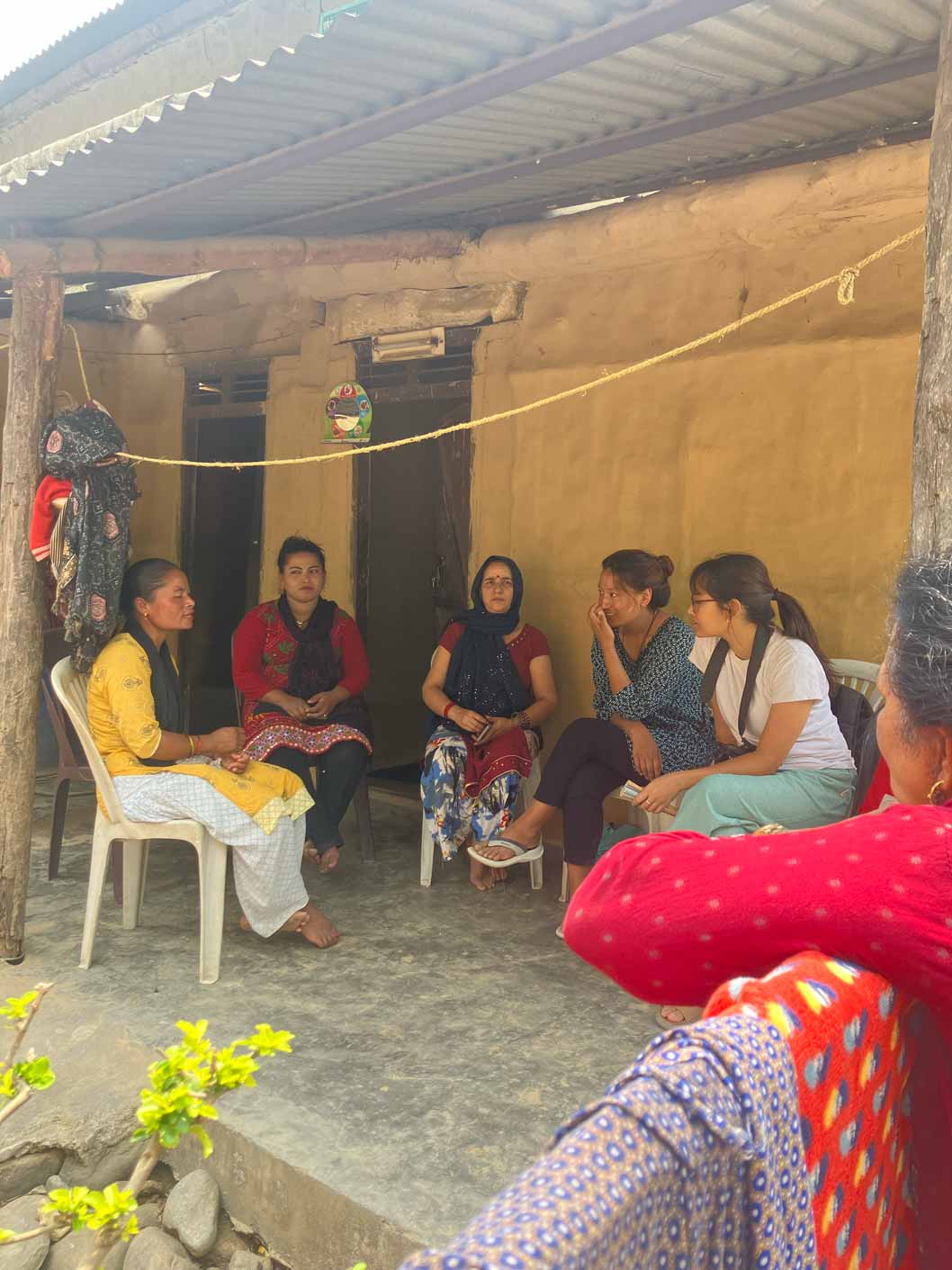
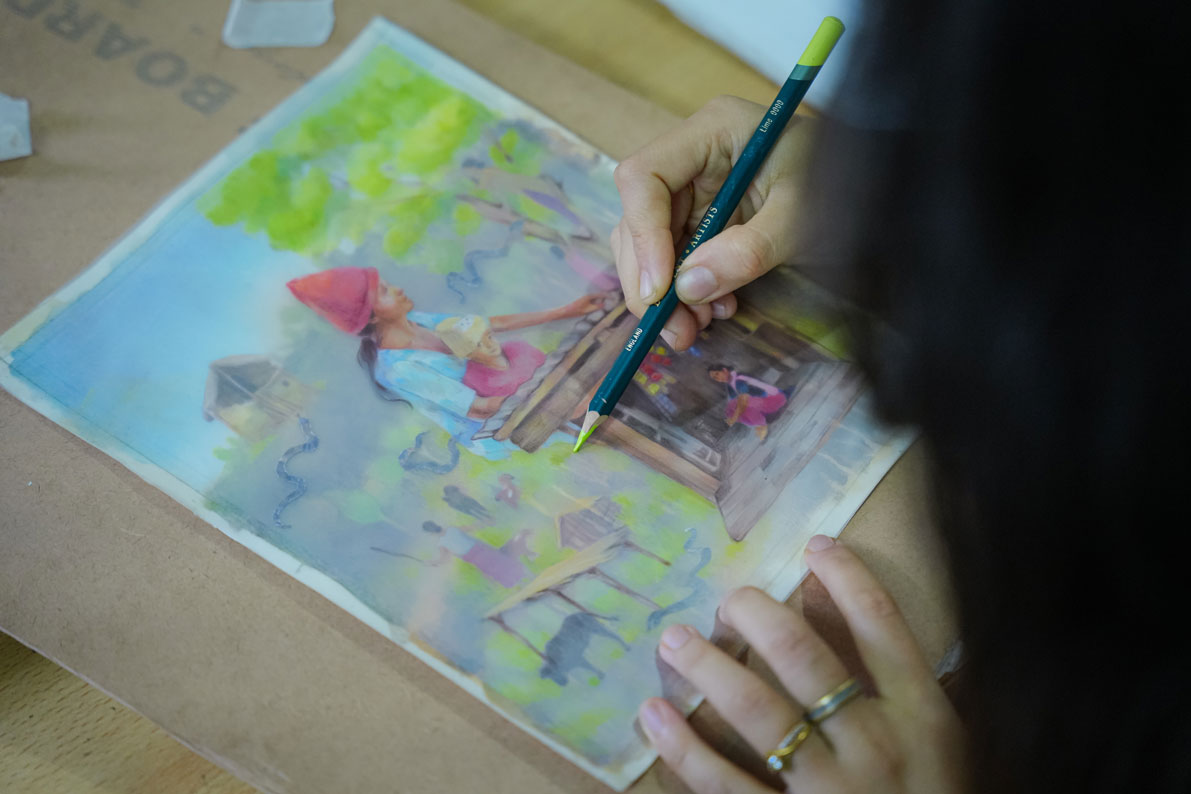
We understand one another’s lives by listening, observing, sharing, and seeking connections. These human acts of listening closely, seeing deeply, and expressing honestly are also the fundamental tools of an artist. In this project, 14 artists from Nepal, mostly women, travelled to five districts across four provinces: Doti and Kailali in Sudurpashchim, Surkhet in Karnali, Kavre in Bagmati, and Sarlahi in Madhesh. These regions, each distinct in language, geography, and culture, are part of UN Women’s project locations for the Hamro Sahakarya: Our Collective Action – The Storytelling Initiative.
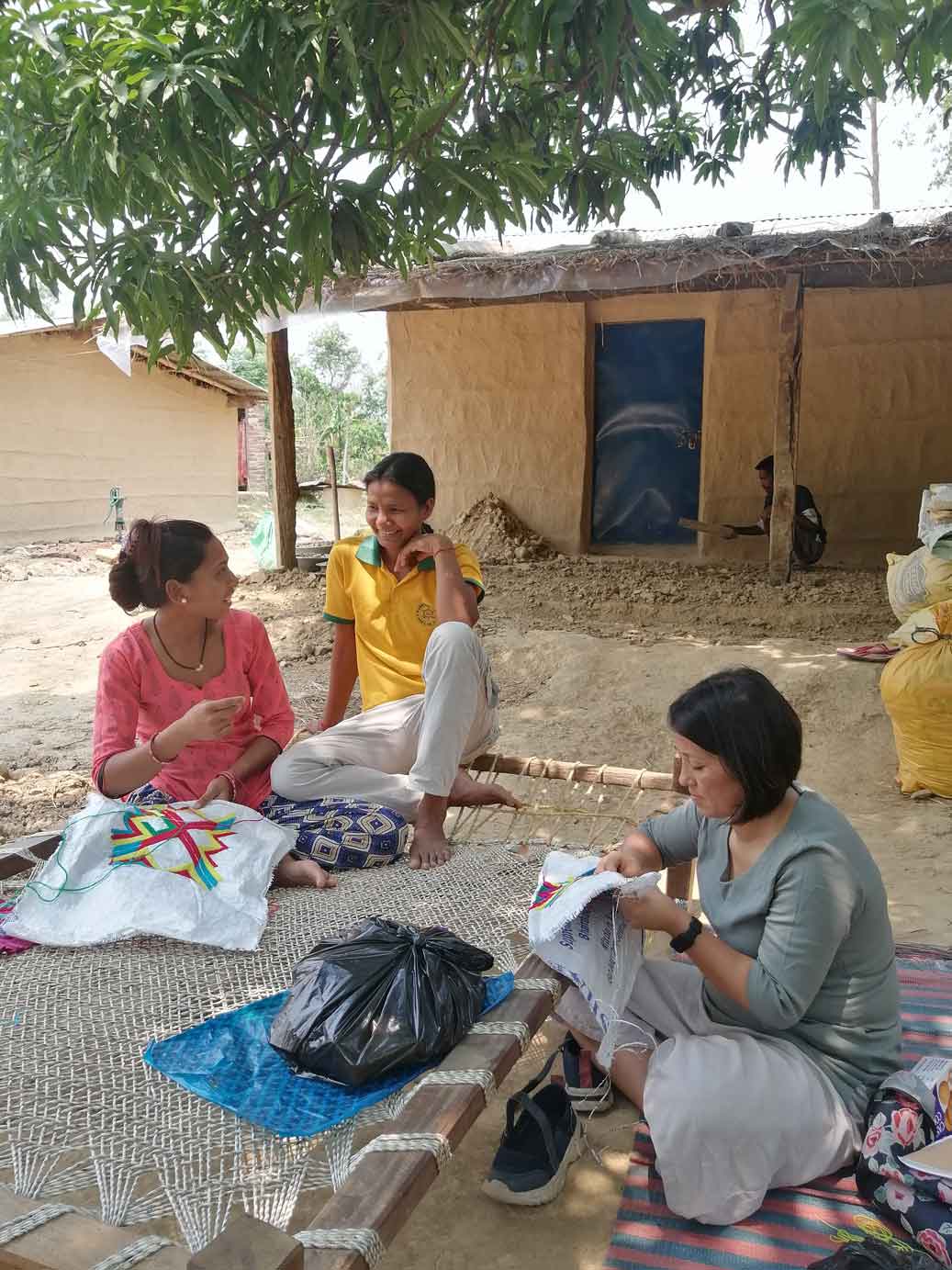
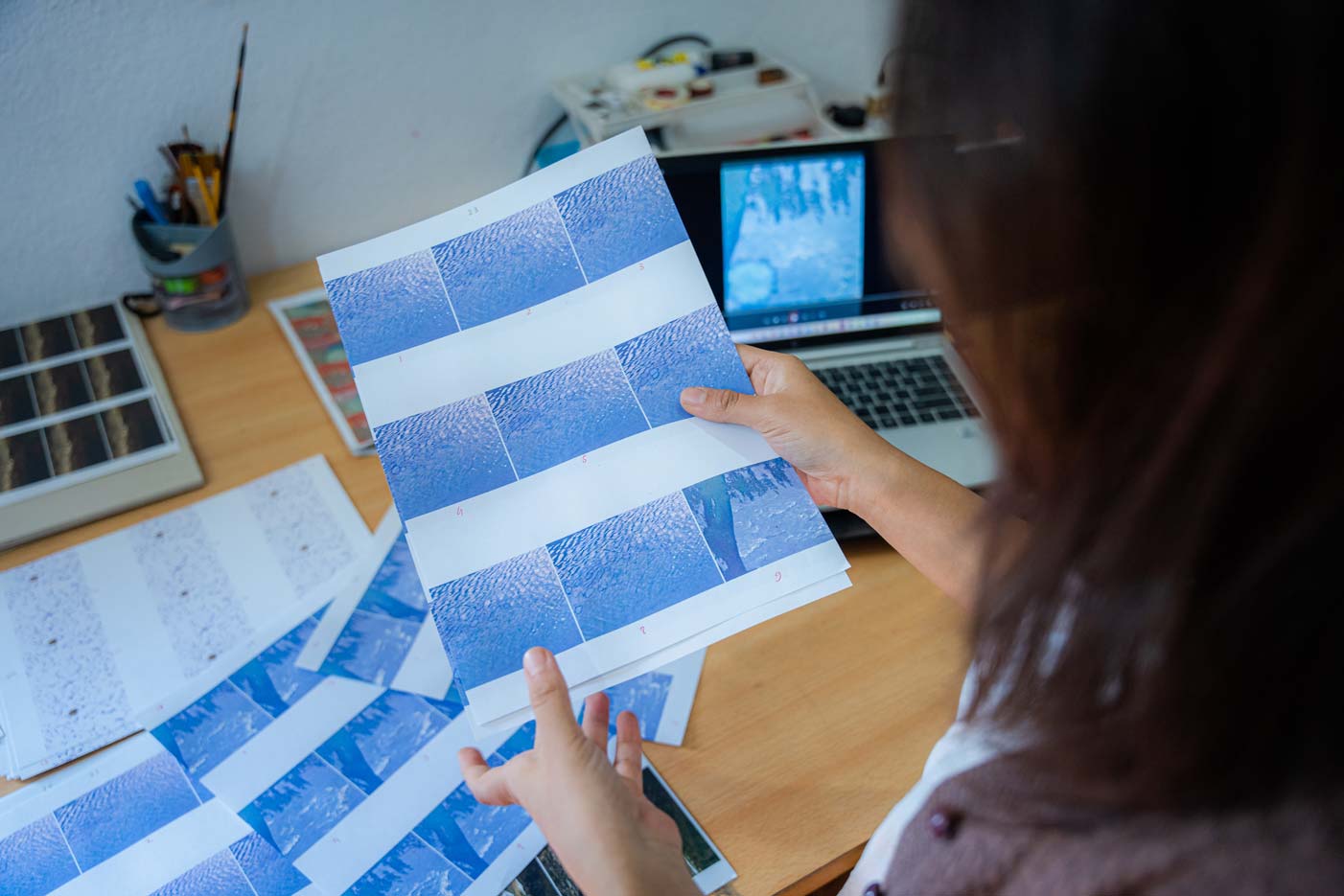
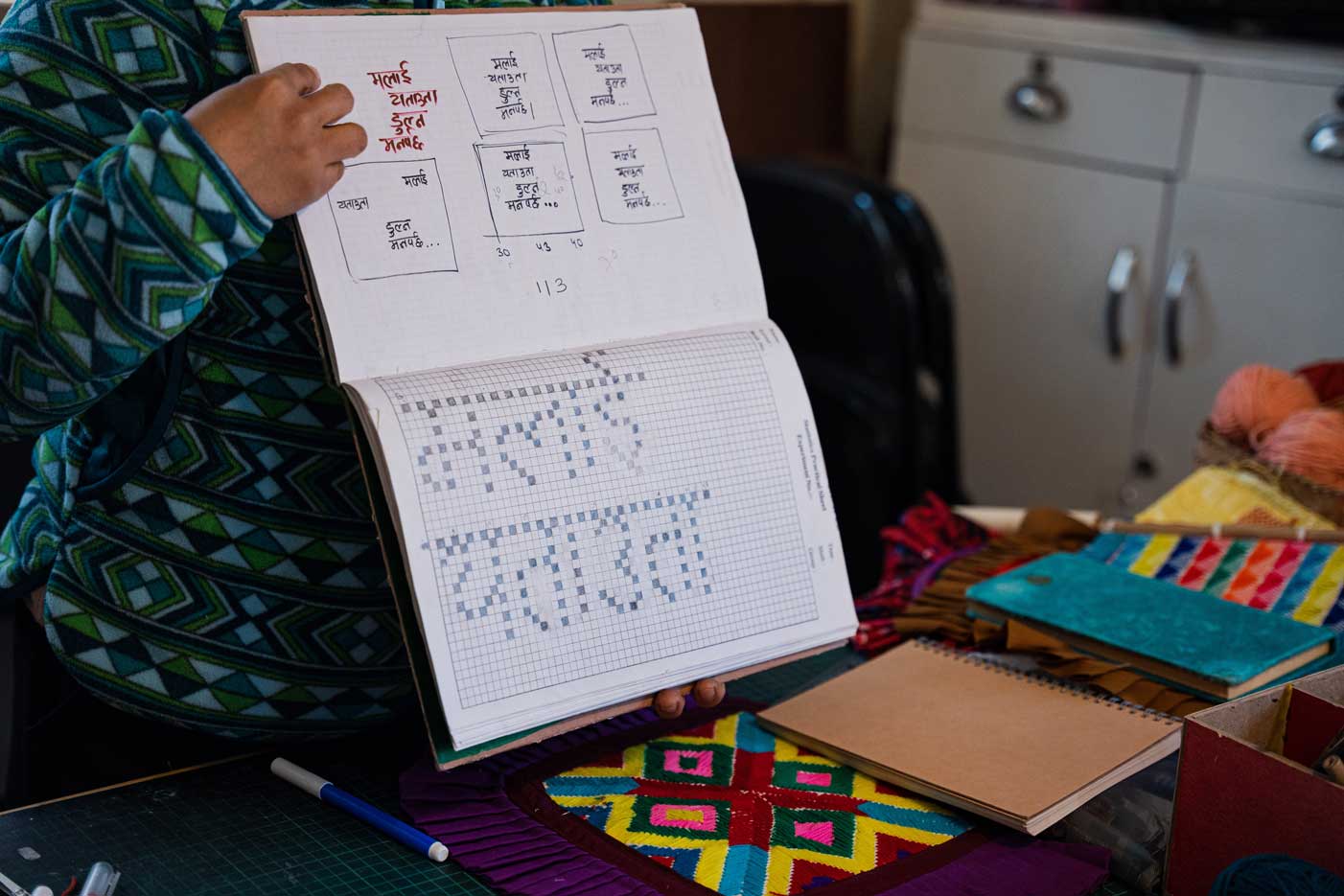
Dalit, Indigenous, Madhesi, and Muslim women’s stories have been historically excluded from public narratives. The works in Like a Rising River bring to center-stage women’s stories of change, rooted in the truth of collective lived experiences, of dreams voiced, and of resilience shared. The artists, writers, and illustrators listened to stories, observed environments, and built connections with women, girls, LGBTIQ+ individuals, and marginalized communities. In exploring local crafts, storytelling traditions, visual languages, and aesthetic practices, they encountered the lived realities around urgent socio-political issues such as child marriage, caste-based discrimination, gender-based violence, and harmful traditional practices.
Dalit, Indigenous, Madhesi, and Muslim women’s stories have been historically excluded from public narratives. The works in Like a Rising River bring to center-stage women’s stories of change, rooted in the truth of collective lived experiences, of dreams voiced, and of resilience shared. The artists, writers, and illustrators listened to stories, observed environments, and built connections with women, girls, LGBTIQ+ individuals, and marginalized communities. In exploring local crafts, storytelling traditions, visual languages, and aesthetic practices, they encountered the lived realities around urgent socio-political issues such as child marriage, caste-based discrimination, gender-based violence, and harmful traditional practices.
हामी सुनेर, अवलोकन गरेर, दु:खसुख बाँडेर तथा सम्बन्ध खोजेर एकअर्काको जीवनलाई बुझ्ने गर्छौँ । यसरी राम्ररी सुन्ने, गहन रूपमा हेर्ने, र इमानदारीसहित अभिव्यक्त गर्ने जस्ता मानव कर्म एक कलाकारका आधारभूत साधन पनि हुन् । यस परियोजनाका लागि नेपालभरिबाट आएका १४ कलाकारले सुदूरपश्चिमको डोटी र कैलाली, कर्णालीको सुर्खेत, बागमतीको काभ्रे र मधेशको सर्लाहीसहित चार प्रदेशका पाँच जिल्ला भ्रमण गरेका थिए । यी कलाकारमध्ये अधिकांश महिला थिए । भाषागत, भौगोलिक तथा सांस्कृतिक विविधता बोकेका यी चार प्रदेश युएन वुमनको हाम्रो सहकार्य : आवर कलेक्टिभ एक्सन – द स्टोरीटेलिङ इनिसिएटिभ परियोजनाका कार्यक्षेत्र हुन् ।
दलित, आदिवासी, मधेशी र मुस्लिम महिलाका कथालाई ऐतिहासिक रूपमा मूलधारका भाष्यबाहिरै राखिएको छ । उर्लँदो नदीसरि मा समावेश भएका कामले सामूहिकरूपमा महिलाका जीवन्त अनुभवको सत्यता, अभिव्यक्त सपना र दृढतामाथि उभिएका परिवर्तनबारे महिलाका कथालाई केन्द्रमा ल्याउँछन् । कलाकार, लेखक र चित्रकारले कथा सुने, वातावरण अवलोकन गरे तथा महिला, किशोरी, लैङ्गिक तथा यौनिक अल्पसङ्ख्यक व्यक्ति र सीमान्तकृत समुदायहरूसँग सम्बन्ध बनाए । स्थानीय सिप, कथावाचन परम्परा, दृश्यभाषा र कला अभ्यासबारे खोजी गर्ने क्रममा उनीहरूले बालविवाह, जातीय भेदभाव, लैङ्गिक हिंसा र कुरीतिजस्ता तत्कालिक महत्त्वका सामाजिक एवं राजनीतिक विषय वरपरका जीवन्त वास्तविकताहरूको सामना गरे ।
दलित, आदिवासी, मधेशी र मुस्लिम महिलाका कथालाई ऐतिहासिक रूपमा मूलधारका भाष्यबाहिरै राखिएको छ । उर्लँदो नदीसरि मा समावेश भएका कामले सामूहिकरूपमा महिलाका जीवन्त अनुभवको सत्यता, अभिव्यक्त सपना र दृढतामाथि उभिएका परिवर्तनबारे महिलाका कथालाई केन्द्रमा ल्याउँछन् । कलाकार, लेखक र चित्रकारले कथा सुने, वातावरण अवलोकन गरे तथा महिला, किशोरी, लैङ्गिक तथा यौनिक अल्पसङ्ख्यक व्यक्ति र सीमान्तकृत समुदायहरूसँग सम्बन्ध बनाए । स्थानीय सिप, कथावाचन परम्परा, दृश्यभाषा र कला अभ्यासबारे खोजी गर्ने क्रममा उनीहरूले बालविवाह, जातीय भेदभाव, लैङ्गिक हिंसा र कुरीतिजस्ता तत्कालिक महत्त्वका सामाजिक एवं राजनीतिक विषय वरपरका जीवन्त वास्तविकताहरूको सामना गरे ।


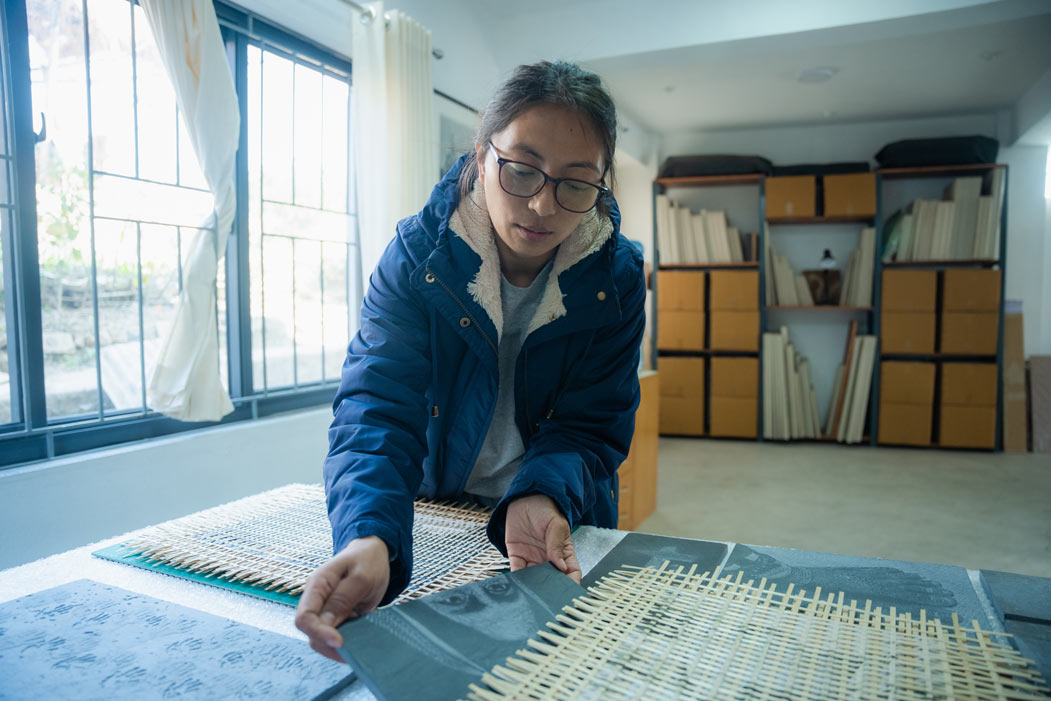
Their creative processes tell of struggle, but also amplify the ways in which local women act, resist, and endure intersecting structures of oppression through words, songs, rituals, and crafts. In meeting these women, the artists asked: Where and how do women tell their stories? What materials and spaces do they use? What is the role of creative activities in their homes and communities? Artists drew inspiration from stitching, embroidery, weaving with plant fiber, singing, murals, godna tattooing, stone engraving, tailoring with sewing machines, paper-making, and oral storytelling – forms often seen as practiced by women of specific castes or ethnicities, and within the domestic sphere, forms which are largely overlooked or undervalued.
The illustrated stories and the artworks depict the countering of historical erasures of Dalit, Madhesi, and Indigenous women’s stories of strength. Badi women fight injustice; a young Dalit woman leaves her abusive husband and chooses a path of freedom for herself and her son; a Tharu woman deeply loves another woman; an elderly Tamang woman chooses to care for herself; Musahar women share their desires to love and be loved, etc. These stories emphasize how lived experiences are intersections of caste, class, sexuality, gender, and age.
This exhibition is a culmination and a continuation. These artistic responses create the space for stories to resonate beyond their places of origin. Through intimate acts of making and listening, the artists seek to build solidarity, raise awareness, and contribute to the ongoing movements toward equity, dignity, and justice. These works are echoes of real lives, rich with complexity, memory, and power, of women who create support systems for each other, and face challenges and isolation when those are absent.
This exhibition invites the audience – especially those from the communities engaged – to witness themselves in these narratives. It also calls on viewers everywhere to reflect on the interconnectedness of gender, labour, identity, and social change.
The illustrated stories and the artworks depict the countering of historical erasures of Dalit, Madhesi, and Indigenous women’s stories of strength. Badi women fight injustice; a young Dalit woman leaves her abusive husband and chooses a path of freedom for herself and her son; a Tharu woman deeply loves another woman; an elderly Tamang woman chooses to care for herself; Musahar women share their desires to love and be loved, etc. These stories emphasize how lived experiences are intersections of caste, class, sexuality, gender, and age.
This exhibition is a culmination and a continuation. These artistic responses create the space for stories to resonate beyond their places of origin. Through intimate acts of making and listening, the artists seek to build solidarity, raise awareness, and contribute to the ongoing movements toward equity, dignity, and justice. These works are echoes of real lives, rich with complexity, memory, and power, of women who create support systems for each other, and face challenges and isolation when those are absent.
This exhibition invites the audience – especially those from the communities engaged – to witness themselves in these narratives. It also calls on viewers everywhere to reflect on the interconnectedness of gender, labour, identity, and social change.
उनीहरूका सिर्जनात्मक प्रक्रियाले सङ्घर्षबारे त बताउँछन् नै । त्यसका साथै शब्द, गीत, रीतिरिवाज र सिपका कस्ता काममार्फत महिलाहरूले उत्पीडनका अन्तरसम्बन्धित संरचनाविरुद्ध प्रतिरोध गर्छन् र तिनलाई खपिरहन्छन् भन्नेबारे पनि आवाज उठाउँछन् । यी महिलासँग भेटघाटमा कलाकारले सोधे – महिलाहरूले आफ्ना कथा कहाँ र कसरी भन्छन् ? कस्ता वस्तु र स्थान प्रयोग गर्छन् ? उनीहरूको परिवार तथा समुदायमा रचनात्मक क्रियाकलापको भूमिका के हुन्छ ? कलाकारहरूले हाते सिलाइ, कढाइ, बोटबिरूवाका रेसाबाट गरिने बुनाइ, गायन, भित्तेचित्र, गोद्ना वा खोपाइ, ढुङ्गा कुँदाइ, मेसिनबाट गरिने लुगा सिलाइ, कागज उत्पादन र मौखिक कथावाचनबाट प्रेरणा लिए जुन सिपलाई प्राय: वेवास्ता वा अवमूल्यन गरिन्छ र निश्चित जात वा समुदायका महिलाले आफ्नो घरेलु परिधिभित्र रहेर गरिने अभ्यासका रूपमा लिइन्छ ।
यी चित्रकथा र कलाकृतिले दलित, मधेशी, र आदिवासी महिलाका शक्तिका कथालाई ऐतिहासिक रूपमा गरिएको अपमार्जन विरुद्धको प्रतिवादलाई झल्काउँछन् । अन्यायविरुद्ध लड्ने बादी महिला, अत्याचारी पतिलाई छाडेर आफ्नो र आफ्नो छोराको लागि स्वतन्त्रताको बाटो रोज्ने युवावयकी दलित महिला, अर्की महिलालाई गहिरो माया गर्ने थारू महिला, आफ्नै हेरचाह गर्ने निर्णय लिएकी तामाङ वृद्धा, माया गर्ने र पाउने इच्छा राख्ने मुसहर महिला आदिजस्ता पात्रका कथाले जीवनका भोगाइ कसरी जात, वर्ग, लैङ्गिकता र उमेरबीचका अन्तरसम्बन्ध हुन् भन्नेमाथि प्रकाश पार्छन् ।
यो प्रदर्शनी निरन्तरता तथा निष्कर्ष दुवै हुन् । यी कलात्मक प्रतिक्रियाले यहाँ प्रस्तुत कथाहरूलाई तिनको उत्पत्तिस्थलभन्दा बाहिरसम्म गुञ्जिनका लागि मञ्च सिर्जेका छन् । बनाउने र सुन्ने जस्ता अन्तरङ्ग कर्ममार्फत कलाकारहरूले एकताको भाव निर्माण गर्न र जागरूकता बढाउनका साथै समता, मर्यादा र न्यायतर्फ जारी रहेको आन्दोलनमा योगदान दिन खोजेका छन् । यी काम एकअर्काको लागि सहयोगी संरचना बनाउने र तिनको अभावमा चुनौती र एक्लोपन सामना गर्ने महिलाका जटिलता, स्मृति र शक्तिले भरपुर वास्तविक जीवनका प्रतिध्वनि हुन् ।
यस प्रदर्शनीले दर्शकलाई र विशेषगरी यहाँ सामेल कलाकारले काम गरेका समुदायका व्यक्तिलाई यी कथामा आफूलाई भेट्टाउन निम्तो गर्छ । यसले सबै ठाउँका दर्शकलाई लैङ्गिकता, श्रम, पहिचान र सामाजिक परिवर्तनबीचको अन्तरसम्बन्धबारे मनन् गर्न आह्वान गर्छ ।
यी चित्रकथा र कलाकृतिले दलित, मधेशी, र आदिवासी महिलाका शक्तिका कथालाई ऐतिहासिक रूपमा गरिएको अपमार्जन विरुद्धको प्रतिवादलाई झल्काउँछन् । अन्यायविरुद्ध लड्ने बादी महिला, अत्याचारी पतिलाई छाडेर आफ्नो र आफ्नो छोराको लागि स्वतन्त्रताको बाटो रोज्ने युवावयकी दलित महिला, अर्की महिलालाई गहिरो माया गर्ने थारू महिला, आफ्नै हेरचाह गर्ने निर्णय लिएकी तामाङ वृद्धा, माया गर्ने र पाउने इच्छा राख्ने मुसहर महिला आदिजस्ता पात्रका कथाले जीवनका भोगाइ कसरी जात, वर्ग, लैङ्गिकता र उमेरबीचका अन्तरसम्बन्ध हुन् भन्नेमाथि प्रकाश पार्छन् ।
यो प्रदर्शनी निरन्तरता तथा निष्कर्ष दुवै हुन् । यी कलात्मक प्रतिक्रियाले यहाँ प्रस्तुत कथाहरूलाई तिनको उत्पत्तिस्थलभन्दा बाहिरसम्म गुञ्जिनका लागि मञ्च सिर्जेका छन् । बनाउने र सुन्ने जस्ता अन्तरङ्ग कर्ममार्फत कलाकारहरूले एकताको भाव निर्माण गर्न र जागरूकता बढाउनका साथै समता, मर्यादा र न्यायतर्फ जारी रहेको आन्दोलनमा योगदान दिन खोजेका छन् । यी काम एकअर्काको लागि सहयोगी संरचना बनाउने र तिनको अभावमा चुनौती र एक्लोपन सामना गर्ने महिलाका जटिलता, स्मृति र शक्तिले भरपुर वास्तविक जीवनका प्रतिध्वनि हुन् ।
यस प्रदर्शनीले दर्शकलाई र विशेषगरी यहाँ सामेल कलाकारले काम गरेका समुदायका व्यक्तिलाई यी कथामा आफूलाई भेट्टाउन निम्तो गर्छ । यसले सबै ठाउँका दर्शकलाई लैङ्गिकता, श्रम, पहिचान र सामाजिक परिवर्तनबीचको अन्तरसम्बन्धबारे मनन् गर्न आह्वान गर्छ ।