surkhet
सुर्खेत

This mid-western district bridges hill and Terai landscapes, serving as a regional hub while hosting diverse ethnic communities. Women and excluded groups, including from indigenous and Dalit communities, contend with economic disparities and limited political voice despite the district’s administrative importance.
यो मध्यम-पश्चिमी जिल्ला पहाड र तराईको क्षेत्रलाई जोड्छ । क्षेत्रीय केन्द्रकाे जिमेवारि लिदै विभिन्न जातीय समुदायहरूको उपस्थितिलाई समेट्छ। जिल्ला र प्रदेश प्रशासनिक दृष्टिले महत्वपूर्ण भएतापनि, महिला र बहिष्कृत समूहहरू, जसमा आदिवासी र दलित समुदायहरू पनि समावेश छन्, आर्थिक असमानता र सीमित राजनीतिक आवाजको सामना गर्छन्।
Shaili Malla, b. 2001 CE (2058 BS), Kathmandu
Through careful storytelling and research in the mixed animation piece The Sand Houses that do not Fall, Shaili highlights the struggles, resistance, and care within the Badi community in Jhupra. Her second work, Not Yet, Not Gone, reflects on the importance of community and safer spaces for women to grow.
While on the upper hills of the Bheri, Gurbakot women were tending to housework, each with their own stories of hardships, in the heat of May, on the banks of the Bheri River, Badi women of Jhupra were getting ready for the rain that might bring floods to their homes.
The individuals and communities in the two locations had disparate histories, but they shared some common feelings. These are communities from where men have migrated for work while women are left to bear the responsibility of rearing their children while being the breadwinners of their families. Both communities face fears for the future, but the women have each other to talk and share with. They squarely face their collective pasts to build a future founded on hope and strength.
While on the upper hills of the Bheri, Gurbakot women were tending to housework, each with their own stories of hardships, in the heat of May, on the banks of the Bheri River, Badi women of Jhupra were getting ready for the rain that might bring floods to their homes.
The individuals and communities in the two locations had disparate histories, but they shared some common feelings. These are communities from where men have migrated for work while women are left to bear the responsibility of rearing their children while being the breadwinners of their families. Both communities face fears for the future, but the women have each other to talk and share with. They squarely face their collective pasts to build a future founded on hope and strength.
शैली मल्ल, जन्म : सन् २००१ (विसं २०५८), काठमाडौँ
मिश्रित एनिमेसन कलाकृति बालुवाका नढल्ने घरमा सचेत कथावाचन र अन्वेषणमार्फत शैलीले झुप्राका बादी समुदायभित्र रहेका संघर्ष, प्रतिरोध र हेरचाहलाई प्रकाशमा ल्याएकी छिन् । उनको अर्को काम गएको छैन, अझै छैनले महिला विकासमा समुदाय र सुरक्षित स्थानको महत्त्वलाई दर्शाउँछ ।
भेरीमाथिका डाँडामा आआफ्नै दु:खका कथा बोकेका गुर्बाकोटका महिला घरायसी काममा व्यस्त हुँदै गर्दा बैशाख-जेठको रापिलो घाममा झुप्राका बादी महिलाहरू भेरी नदीको किनारमा आफ्ना घरमा बाढी हुल्न सक्ने बर्खाको लागि तयारी गर्दै थिए ।
यी दुई स्थानका व्यक्ति तथा समुदायका इतिहास फरक छन् तर केही भावना साझा पनि छन् । यी त्यस्ता समुदाय हुन् जहाँबाट पुरुषहरू कामका लागि बसाइँ सरेका छन् भने महिलाहरू खानेखर्च जुटाउँदै बालबच्चा हुर्काउने जिम्मेवारीका साथ छोडिएका छन् । दुवै समुदायले भविष्यबारे डरको सामना गर्छन् तर महिलाका लागि एकापसमा दु:ख बाँड्न साथीसँगी छन् । आशा र शक्तिमा आधारित भविष्य निर्माण गर्न उनीहरू आफ्ना सामूहिक विगतको प्रत्यक्ष सामना गर्छन् ।
भेरीमाथिका डाँडामा आआफ्नै दु:खका कथा बोकेका गुर्बाकोटका महिला घरायसी काममा व्यस्त हुँदै गर्दा बैशाख-जेठको रापिलो घाममा झुप्राका बादी महिलाहरू भेरी नदीको किनारमा आफ्ना घरमा बाढी हुल्न सक्ने बर्खाको लागि तयारी गर्दै थिए ।
यी दुई स्थानका व्यक्ति तथा समुदायका इतिहास फरक छन् तर केही भावना साझा पनि छन् । यी त्यस्ता समुदाय हुन् जहाँबाट पुरुषहरू कामका लागि बसाइँ सरेका छन् भने महिलाहरू खानेखर्च जुटाउँदै बालबच्चा हुर्काउने जिम्मेवारीका साथ छोडिएका छन् । दुवै समुदायले भविष्यबारे डरको सामना गर्छन् तर महिलाका लागि एकापसमा दु:ख बाँड्न साथीसँगी छन् । आशा र शक्तिमा आधारित भविष्य निर्माण गर्न उनीहरू आफ्ना सामूहिक विगतको प्रत्यक्ष सामना गर्छन् ।
Shaili Malla, b. 2001 CE (2058 BS), Kathmandu
Through careful storytelling and research in the mixed animation piece The Sand Houses that do not Fall, Shaili highlights the struggles, resistance, and care within the Badi community in Jhupra. Her second work, Not Yet, Not Gone, reflects on the importance of community and safer spaces for women to grow.
While on the upper hills of the Bheri, Gurbakot women were tending to housework, each with their own stories of hardships, in the heat of May, on the banks of the Bheri River, Badi women of Jhupra were getting ready for the rain that might bring floods to their homes.
The individuals and communities in the two locations had disparate histories, but they shared some common feelings. These are communities from where men have migrated for work while women are left to bear the responsibility of rearing their children while being the breadwinners of their families. Both communities face fears for the future, but the women have each other to talk and share with. They squarely face their collective pasts to build a future founded on hope and strength.
While on the upper hills of the Bheri, Gurbakot women were tending to housework, each with their own stories of hardships, in the heat of May, on the banks of the Bheri River, Badi women of Jhupra were getting ready for the rain that might bring floods to their homes.
The individuals and communities in the two locations had disparate histories, but they shared some common feelings. These are communities from where men have migrated for work while women are left to bear the responsibility of rearing their children while being the breadwinners of their families. Both communities face fears for the future, but the women have each other to talk and share with. They squarely face their collective pasts to build a future founded on hope and strength.
शैली मल्ल, जन्म : सन् २००१ (विसं २०५८), काठमाडौँ
मिश्रित एनिमेसन कलाकृति बालुवाका नढल्ने घरमा सचेत कथावाचन र अन्वेषणमार्फत शैलीले झुप्राका बादी समुदायभित्र रहेका संघर्ष, प्रतिरोध र हेरचाहलाई प्रकाशमा ल्याएकी छिन् । उनको अर्को काम गएको छैन, अझै छैनले महिला विकासमा समुदाय र सुरक्षित स्थानको महत्त्वलाई दर्शाउँछ ।
भेरीमाथिका डाँडामा आआफ्नै दु:खका कथा बोकेका गुर्बाकोटका महिला घरायसी काममा व्यस्त हुँदै गर्दा बैशाख-जेठको रापिलो घाममा झुप्राका बादी महिलाहरू भेरी नदीको किनारमा आफ्ना घरमा बाढी हुल्न सक्ने बर्खाको लागि तयारी गर्दै थिए ।
यी दुई स्थानका व्यक्ति तथा समुदायका इतिहास फरक छन् तर केही भावना साझा पनि छन् । यी त्यस्ता समुदाय हुन् जहाँबाट पुरुषहरू कामका लागि बसाइँ सरेका छन् भने महिलाहरू खानेखर्च जुटाउँदै बालबच्चा हुर्काउने जिम्मेवारीका साथ छोडिएका छन् । दुवै समुदायले भविष्यबारे डरको सामना गर्छन् तर महिलाका लागि एकापसमा दु:ख बाँड्न साथीसँगी छन् । आशा र शक्तिमा आधारित भविष्य निर्माण गर्न उनीहरू आफ्ना सामूहिक विगतको प्रत्यक्ष सामना गर्छन् ।
भेरीमाथिका डाँडामा आआफ्नै दु:खका कथा बोकेका गुर्बाकोटका महिला घरायसी काममा व्यस्त हुँदै गर्दा बैशाख-जेठको रापिलो घाममा झुप्राका बादी महिलाहरू भेरी नदीको किनारमा आफ्ना घरमा बाढी हुल्न सक्ने बर्खाको लागि तयारी गर्दै थिए ।
यी दुई स्थानका व्यक्ति तथा समुदायका इतिहास फरक छन् तर केही भावना साझा पनि छन् । यी त्यस्ता समुदाय हुन् जहाँबाट पुरुषहरू कामका लागि बसाइँ सरेका छन् भने महिलाहरू खानेखर्च जुटाउँदै बालबच्चा हुर्काउने जिम्मेवारीका साथ छोडिएका छन् । दुवै समुदायले भविष्यबारे डरको सामना गर्छन् तर महिलाका लागि एकापसमा दु:ख बाँड्न साथीसँगी छन् । आशा र शक्तिमा आधारित भविष्य निर्माण गर्न उनीहरू आफ्ना सामूहिक विगतको प्रत्यक्ष सामना गर्छन् ।
The Sand Houses That Do Not Fall, 2024
Mixed Media Animation, 00:05:00
The Badi community of Nepal has long been regarded as the untouchables among the untouchables. Their name, Badi, derives from Vādyavādak, meaning ones who play music. They trace their story to ancient times when they were bound to their profession as traveling performers – singing, dancing, and storytelling for the higher castes.
However, with modernity smaller principalities in the far-west of Nepal, the traditional patrons to the community, lost relevance. Radio and television replaced Badi as the sources of musical entertainment. As Dalits without citizenship, most Badi were denied land ownership, forcing some to settle along riverbanks, which are their refuge until they can build permanent homes. Living with the constant fear of floods, they speak of being blessed by the sand that washes ashore – sand they mine and sell to sustain their lives.
Limited opportunities pushed a small number of Badi women into sex work, further entrenching the social stigma the community already faced. Yet, despite landlessness and discrimination the Badi persist. Their homes, built on sand, may crumble – but their sisterhood does not. They hold one another up, rising again and again, breaking the chains of their past. They continue to fight – for dignity, for their children, for a future no longer standing on shifting grounds.
Special thanks to Kusum Basnet for script edits and Kanchan Basnet as an Art Assistant.
However, with modernity smaller principalities in the far-west of Nepal, the traditional patrons to the community, lost relevance. Radio and television replaced Badi as the sources of musical entertainment. As Dalits without citizenship, most Badi were denied land ownership, forcing some to settle along riverbanks, which are their refuge until they can build permanent homes. Living with the constant fear of floods, they speak of being blessed by the sand that washes ashore – sand they mine and sell to sustain their lives.
Limited opportunities pushed a small number of Badi women into sex work, further entrenching the social stigma the community already faced. Yet, despite landlessness and discrimination the Badi persist. Their homes, built on sand, may crumble – but their sisterhood does not. They hold one another up, rising again and again, breaking the chains of their past. They continue to fight – for dignity, for their children, for a future no longer standing on shifting grounds.
Special thanks to Kusum Basnet for script edits and Kanchan Basnet as an Art Assistant.
बालुवाका नढल्ने घर, सन् २०२४
मिश्रितमाध्यम एनिमेसन, ००:०५:००
नेपालको बादी समुदायलाई लामो समयदेखि अछुतमध्ये पनि अछुतको व्यवहार गरिँदै आएको छ । ‘बादी’ नाम वाद्यवादक शब्दबाट उत्पन्न भएको हो जसको अर्थ बाजा बजाउने व्यक्ति हो । उनीहरूका कथा प्राचीन कालमा सुरु हुन्छ जतिबेला उनीहरूको पेशा तथाकथित उच्च जातका लागि गाउने, नाच्ने र कथा वाच्ने थियो ।
तर समयक्रमसँगै यस समुदायको परम्परागत संरक्षक अर्थात् नेपालको सुदूरपश्चिमका राजारजौटाहरूको सान्दर्भिकता हरायो । साङ्गीतिक मनोरञ्जनको स्रोतको रूपमा रेडियो र टिभीले बादी समुदायलाई विस्थापन गरे । नागरिकताविहीन दलित भएकाले अधिकांश बादी जग्गाको स्वामित्व लिनबाट वञ्चित गरिए । त्यसैले स्थायी घर नबनुन्जेल केही बादीहरू नदी किनारमा बस्ती बसाल्न बाध्य भए । बाढीको सधैँको त्राससँगै बाँचिरहेको बादी समुदाय नदी किनारमा बगेर आउने बालुवाप्रति भने धन्य भएको बताउँछन् – जीविका चलाउनका लागि उनीहरू त्यही बालुवा खनेर बेच्ने गर्छन् ।
अवसरको अभावले केही सङ्ख्यामा बादी महिलाहरूलाई यौनकर्म तिर धकेल्दा समुदायले पहिले नै सामना गरिरहेको सामाजिक कलङ्कलाई अझ कठोर बन्यो । भूमिहीनता र भेदभावका बावजुद बादीहरू बाँचिरहेका छन् । बालुवामाथि बनेका उनीहरूका घर भत्किएलान् तर बादी महिलाहरूबीच अपनत्वको सम्बन्ध डगमगिँदैन । उनीहरू एकअर्कालाई आड दिँदै, फेरिफेरि माथि उठ्दै, विगतसँगको बन्धन तोडेर अघि बढ्दै छन् । आफ्नो मर्यादा, आफ्ना बालबच्चा र बलौटे जमिनमा हैन बलियो जगमा उभिएको भविष्यका लागि उनीहरू लडिरहन्छन् ।
स्क्रिप्ट सम्पादनका लागि कुसुम बस्नेतलाई र कला सहायकको रूपमा कञ्चन बस्नेतलाई विशेष धन्यवादन्व ।
तर समयक्रमसँगै यस समुदायको परम्परागत संरक्षक अर्थात् नेपालको सुदूरपश्चिमका राजारजौटाहरूको सान्दर्भिकता हरायो । साङ्गीतिक मनोरञ्जनको स्रोतको रूपमा रेडियो र टिभीले बादी समुदायलाई विस्थापन गरे । नागरिकताविहीन दलित भएकाले अधिकांश बादी जग्गाको स्वामित्व लिनबाट वञ्चित गरिए । त्यसैले स्थायी घर नबनुन्जेल केही बादीहरू नदी किनारमा बस्ती बसाल्न बाध्य भए । बाढीको सधैँको त्राससँगै बाँचिरहेको बादी समुदाय नदी किनारमा बगेर आउने बालुवाप्रति भने धन्य भएको बताउँछन् – जीविका चलाउनका लागि उनीहरू त्यही बालुवा खनेर बेच्ने गर्छन् ।
अवसरको अभावले केही सङ्ख्यामा बादी महिलाहरूलाई यौनकर्म तिर धकेल्दा समुदायले पहिले नै सामना गरिरहेको सामाजिक कलङ्कलाई अझ कठोर बन्यो । भूमिहीनता र भेदभावका बावजुद बादीहरू बाँचिरहेका छन् । बालुवामाथि बनेका उनीहरूका घर भत्किएलान् तर बादी महिलाहरूबीच अपनत्वको सम्बन्ध डगमगिँदैन । उनीहरू एकअर्कालाई आड दिँदै, फेरिफेरि माथि उठ्दै, विगतसँगको बन्धन तोडेर अघि बढ्दै छन् । आफ्नो मर्यादा, आफ्ना बालबच्चा र बलौटे जमिनमा हैन बलियो जगमा उभिएको भविष्यका लागि उनीहरू लडिरहन्छन् ।
स्क्रिप्ट सम्पादनका लागि कुसुम बस्नेतलाई र कला सहायकको रूपमा कञ्चन बस्नेतलाई विशेष धन्यवादन्व ।
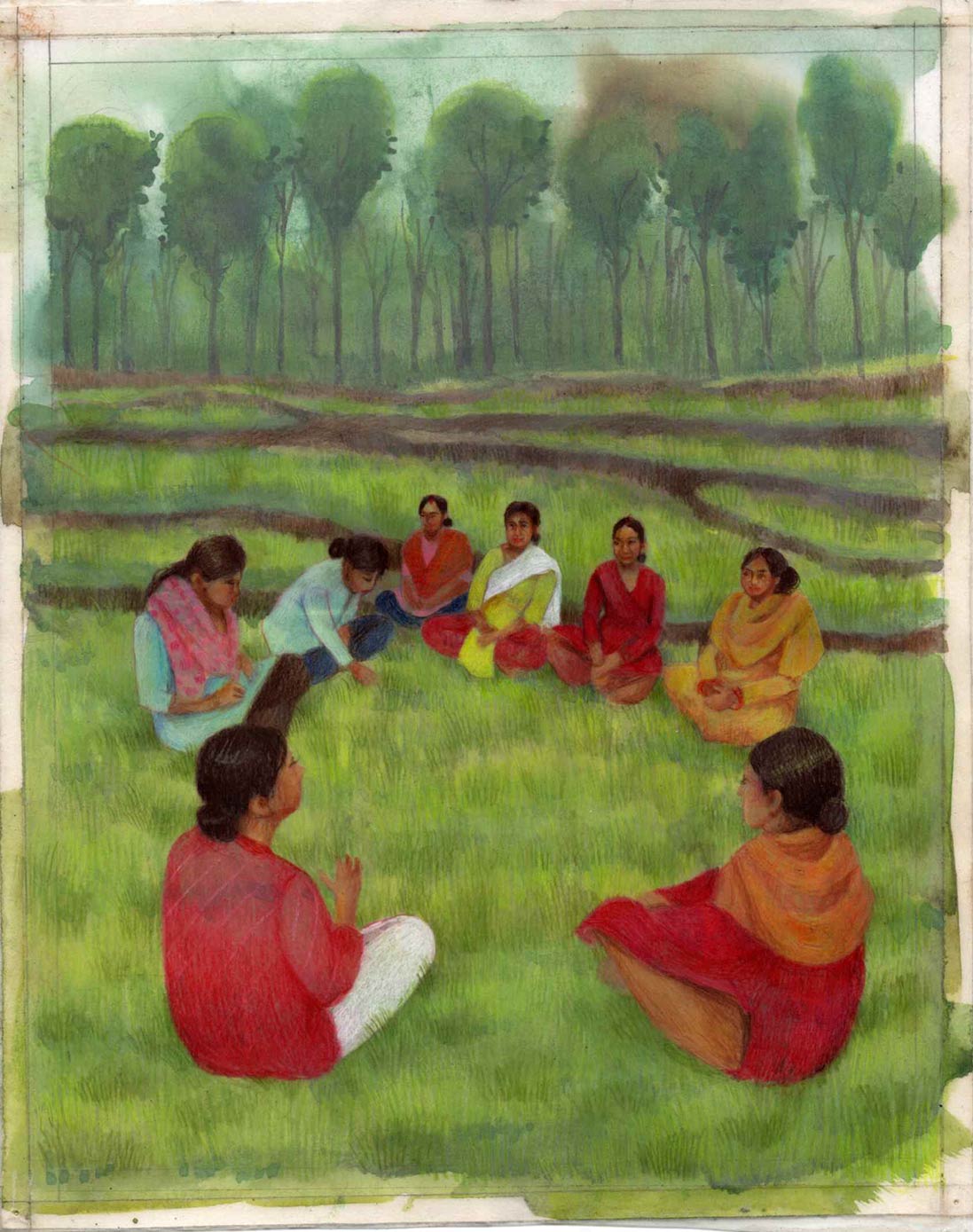

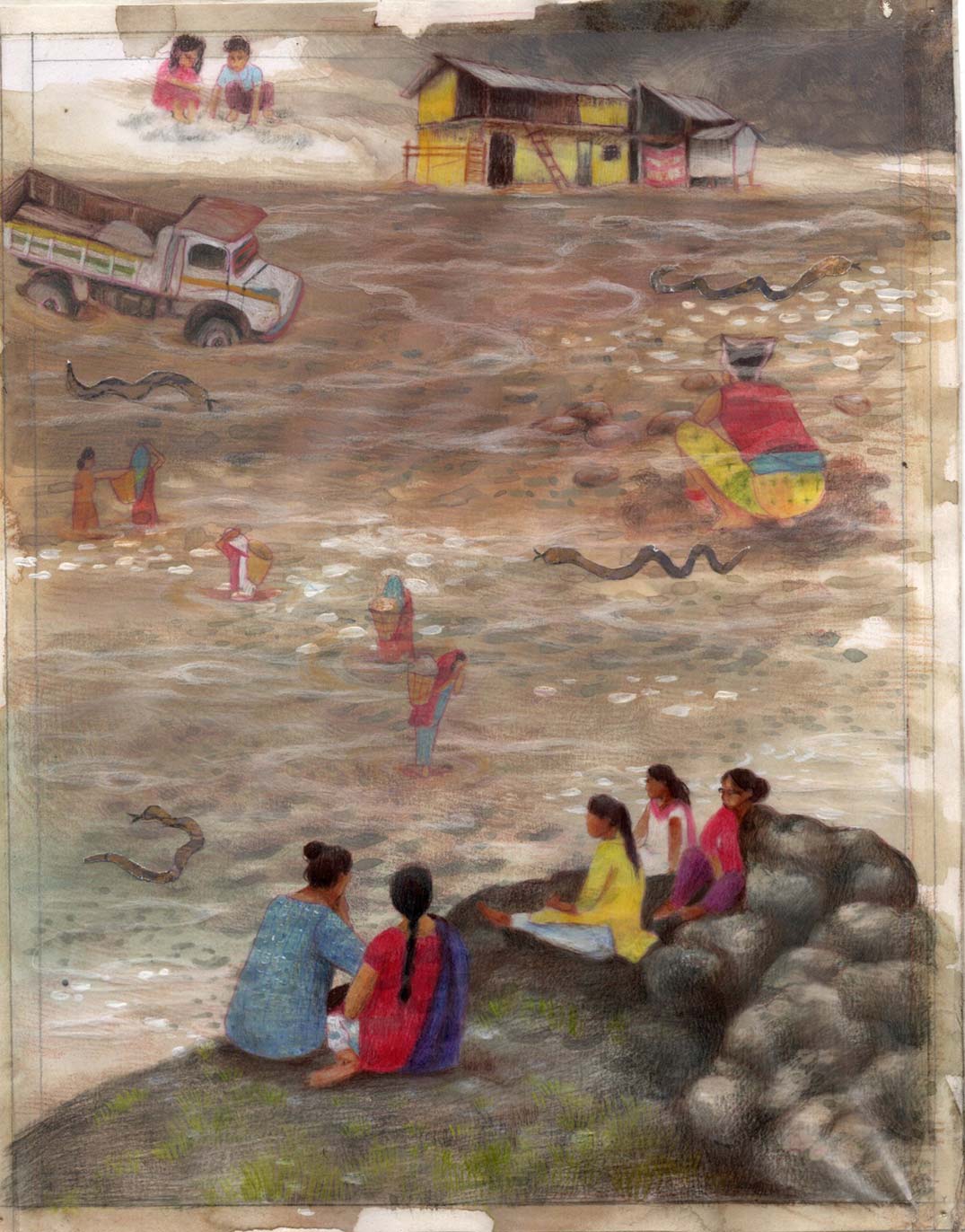
Not yet, Not gone, 2025
Watercolour and colour pencil on paper
8.5 x 10 inches each
8.5 x 10 inches each
Abhisara lives in the upper hills of Gurbakot in a fragile house without proper windows and doors. This lets in mice, which then attract snakes. Sometimes the snakes refuse to leave. Abhisara, partially blind, never knows if the snakes have left her home. This keeps her constantly afraid, even though she can’t recognize a snake.
Abhisara recently received treatment for her eyesight, but she still fears snakes the most. It is frightening to know every danger lurking around, but also to utterly lack the ability to do anything to protect yourself.
This fear takes many forms in the lives of women of Gurbakot. Many men have migrated for work, and some women haven’t heard from their husbands in years. They are left to raise children on their own, often without proper land ownership. They cannot grow food on land they don’t own. Still, every day, they strive to provide for their families. The fear of the future follows them everywhere. They find strength in one another — in shared stories, in sorrow, in laughter. They carry one another’s pain and hope, in the unspoken promise to break this cycle so the next generation can dream of a better life.
Abhisara recently received treatment for her eyesight, but she still fears snakes the most. It is frightening to know every danger lurking around, but also to utterly lack the ability to do anything to protect yourself.
This fear takes many forms in the lives of women of Gurbakot. Many men have migrated for work, and some women haven’t heard from their husbands in years. They are left to raise children on their own, often without proper land ownership. They cannot grow food on land they don’t own. Still, every day, they strive to provide for their families. The fear of the future follows them everywhere. They find strength in one another — in shared stories, in sorrow, in laughter. They carry one another’s pain and hope, in the unspoken promise to break this cycle so the next generation can dream of a better life.
गएको छैन, अझै छैन, सन् २०२५
कागजमा वाटरकलर र कलर पेन्सिल
१प्रति ८.५ x १० इन्च
१प्रति ८.५ x १० इन्च
अभिसरा गुर्बाकोटमाथिको पहाडमा सग्ला झ्यालढोका नभएको आफ्नो जीर्ण घरमा बस्छिन् । यहाँ मुसा आउँछन्, जसलाई खोज्दै सर्प पनि आइपुग्छन् । कहिलेकाहीँ सर्प लखेट्न निकै गाह्रो हुन्छ । आंशिक रूपमा दृष्टि गुमाएकी अभिसराले सर्पहरू घरबाट निस्किए कि निस्किएनन् भन्नै कहिल्यै थाहै पाउन्नन् ।सर्प चिन्नै नसकेपनि अभिसरा सँधै सर्पको डरमा रहन्छिन् ।
अभिसराले हालसालै आँखाको उपचार गराएकी थिइन्, तर अझैपनि उनलाई सबैभन्दा धेरै सर्पकै डर लाग्छ । वरपर लुकेर बसेको हरेक खतराबारे चनाखो बनिरहनु डरलाग्दो कुरा हो, तर आफूलाई बचाउन केही पनि गर्न नसक्नु झनै डरलाग्दो हुन्छ ।
यो डरले गुर्बाकोटका महिलाहरूको जीवनमा थुप्रै आकार लिन्छ । थुप्रै पुरुष कामका लागि बसाइँ सरेका छन् । केही महिलाले आफ्ना श्रीमान्बारे हालखबर नबुझेको वर्षौँ भएको छ । उनीहरूलाई आफ्नै बुतामा बालबच्चा हेर्न छोडिएको छ तर धेरैजसोसँग आफू बसेको जमिनको स्वामित्व स्थापना गर्ने कागजात छैन । जग्गा आफ्नो नहुँदा सागपात उमार्न पनि मिल्दैन । र पनि आफ्नो परिवार पाल्न उनीहरू हरेक दिन प्रयासरत छन् । भविष्यको डरले उनीहरूलाई जहाँपनि पछ्याइरहन्छ । उनीहरू एकअर्कामा, दु:खका कथामा, वेदनामा, हाँसोमा शक्ति भेट्छन् । अर्को पुस्ताले राम्रो जिन्दगीको सपना देख्न सकोस् भनेर अहिलेको कुचक्र तोड्ने मौन वाचा गर्दै उनीहरू एकअर्काका पीडा र आशा बोकेर हिँड्छन् ।
अभिसराले हालसालै आँखाको उपचार गराएकी थिइन्, तर अझैपनि उनलाई सबैभन्दा धेरै सर्पकै डर लाग्छ । वरपर लुकेर बसेको हरेक खतराबारे चनाखो बनिरहनु डरलाग्दो कुरा हो, तर आफूलाई बचाउन केही पनि गर्न नसक्नु झनै डरलाग्दो हुन्छ ।
यो डरले गुर्बाकोटका महिलाहरूको जीवनमा थुप्रै आकार लिन्छ । थुप्रै पुरुष कामका लागि बसाइँ सरेका छन् । केही महिलाले आफ्ना श्रीमान्बारे हालखबर नबुझेको वर्षौँ भएको छ । उनीहरूलाई आफ्नै बुतामा बालबच्चा हेर्न छोडिएको छ तर धेरैजसोसँग आफू बसेको जमिनको स्वामित्व स्थापना गर्ने कागजात छैन । जग्गा आफ्नो नहुँदा सागपात उमार्न पनि मिल्दैन । र पनि आफ्नो परिवार पाल्न उनीहरू हरेक दिन प्रयासरत छन् । भविष्यको डरले उनीहरूलाई जहाँपनि पछ्याइरहन्छ । उनीहरू एकअर्कामा, दु:खका कथामा, वेदनामा, हाँसोमा शक्ति भेट्छन् । अर्को पुस्ताले राम्रो जिन्दगीको सपना देख्न सकोस् भनेर अहिलेको कुचक्र तोड्ने मौन वाचा गर्दै उनीहरू एकअर्काका पीडा र आशा बोकेर हिँड्छन् ।
These stories of women from surkhet are part of an anthology entitled “Like a Rising River: Stories of Women and Change.”
सूरखेतका महिलाहरूका यी कथाहरू ‘उर्लँदाे नदीसरि: महिला र परिवर्तनका कथाहरू’ भन्ने शीर्षक भएको कथासङ्ग्रहको हिस्सा हुन्।
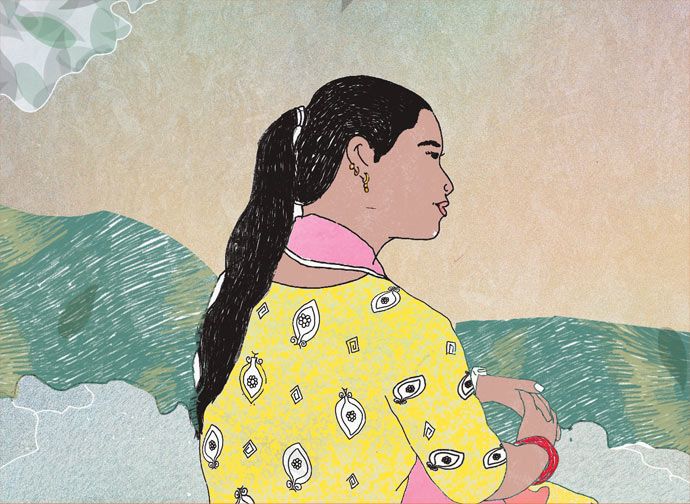
Like A Rising River
Shanti Badi | Written by Tsering Tsomo Gurung |
Illustrated by Priyanka Singh Maharjan
Illustrated by Priyanka Singh Maharjan
Like a river that doesn’t turn back, Shanti Badi wants to move past the violence and trauma inflicted on her ancestors. Badis were travelling entertainers, instrument makers, fisherpeople, and nomads. In addition, Badi women have been stereotyped as sex workers. Shanti wants to shed this stigma that still afflicts her community today. She and the other women of Jhupra take a stand against prejudice and bullying.
उर्लँदो नदीसरी
शान्ति बादी | लेखन : छिरिङ छोमो गुरुङ |
चित्र : प्रियंका सिंह महर्जन
चित्र : प्रियंका सिंह महर्जन
जसरी बगेको खोला फर्कँदैन, शान्ति बादी आफ्ना पूर्खामाथि गरिएका हिंसा र तिनलाई दिइएका आघातबाट अघि बढ्न चाहन्छिन् । उनको समुदायका मानिसले मनोरञ्जन दिन्थे, वाद्यवादन बनाउँथे, माछा मार्ने घुमन्ते थिए । शासकवर्गले बादी महिलाहरूमा लादेको यौन कर्मको कलङ्कलाई शान्ति मेटाउन चाहन्छिन् । उनीलगायत झुप्राका अन्य महिलाले यस्ता पूर्वाग्रह र दुर्व्यवहारविरुद्ध उभिने अडान लिन्छन् ।
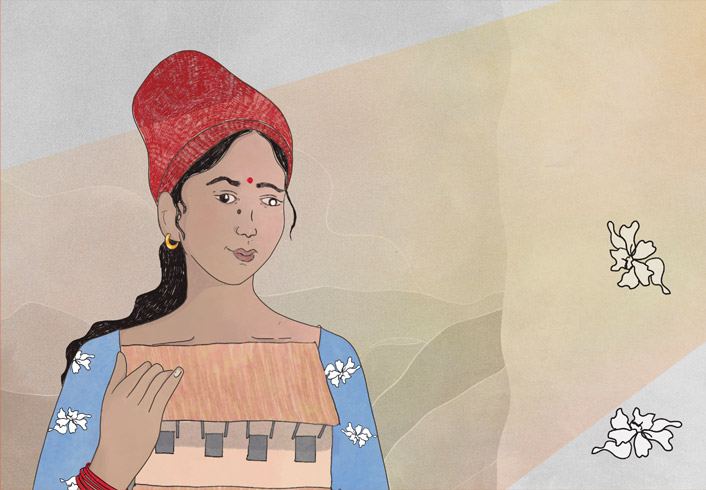
A Better Life
Mahima Sahakari | Written by Tsering Tsomo Gurung |
Illustrated by Priyanka Singh Maharjan
Illustrated by Priyanka Singh Maharjan
Fleeing the hardships of the People’s War, and in search of greener pastures for their goats, Mahima Sahakari and her family migrated from Jajarkot to Gurbakot. They were looking to earn themselves a home, but instead were pushed to the corners of a remote, rocky hillside. As her eyesight weakens and everyday life proves isolated and difficult, Mahima sets out to create a better life for her and her family.
सुन्दर जीवनको आशा
महिमा सहकारी | लेखन : छिरिङ छोमो गुरुङ |
चित्र : प्रियंका सिंह महर्जन
चित्र : प्रियंका सिंह महर्जन
जनयुद्धका कठिनाइबाट उम्कन र आफ्ना बाख्राका लागि हरियो घाँसे चरन खोज्न महिमा सहकारी र उनका परिवार जाजरकोटबाट गुर्बाकोट बसाइँ सरे । आफ्ना लागि घर जोड्ने सपना बोकेर हिँडेका उनीहरू विकट डाँडाको चट्टाने कुनामा धकेलिए । आँखाको ज्योति धमिलिँदै र पारिवारिक जीवन झन् एक्लो र कष्टकर हुँदै गइरहेको समयमा महिमा आफ्नो जीवनलाई अझै सुन्दर र सबल बनाउने तयारी गर्छिन् ।



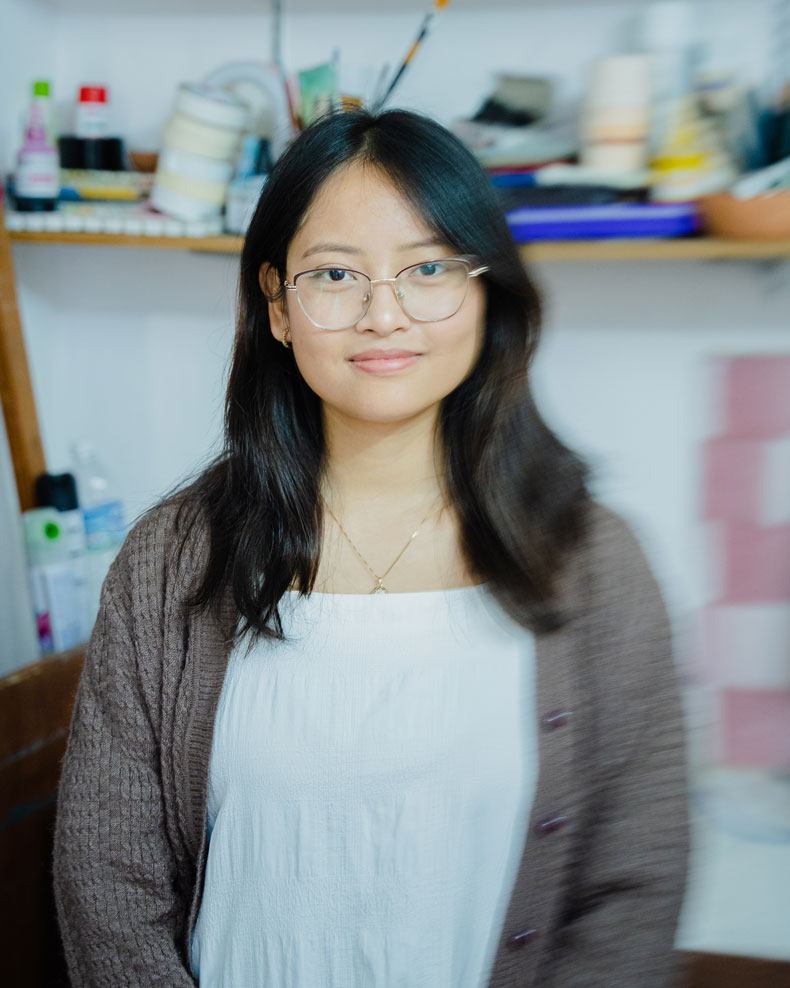
Shaili Malla is a visual artist and illustrator who works across mixed media. Her art practice spans various mediums, such as painting, drawing, mixed media animation, digital art, and printmaking. Shaili incorporates visual layers in her work to explore the depth of her subjects and stories; her work is mostly inspired by the stories around her and her personal memories and experiences.
शैली मल्ल एक दृश्य कलाकार र चित्रकार हुन् जो मिश्रित माध्यममा काम गर्छिन् । उनको कला अभ्यास विभिन्न माध्यममा छ, जस्तै चित्रकला, रेखाचित्र, मिश्रित माध्यम एनिमेशन, डिजिटल कला, र प्रिन्टमेकिङ। शैलीले आफ्ना काममा दृश्य तहहरु समावेश गर्छिन् ताकि उनी आफ्ना विषय र कथाहरूको गहिराई अन्वेषण गर्न सकून्; उनको काम प्रायः उनलाई वरिपरिका कथाहरू र उनका व्यक्तिगत सम्झनाहरू र अनुभवबाट प्रेरित हुन्छ।