kavre
काभ्रे

Located in the hills east of Kathmandu Valley, Kavre experienced significant impacts from the 2015 earthquakes. Women, particularly from Tamang and other indigenous communities as well as Dalit communities, continue rebuilding lives while navigating traditional gender roles and seeking economic opportunities beyond subsistence agriculture.
काठमाडौँ उपत्यकाको पूर्वतिरको पहाडमा २०७२ को भूकम्पबाट काभ्रेमा निकै क्षति भएकाे थियाे ।
महिला, विशेष गरी तामाङ र अन्य आदिवासी समुदाय र दलित समुदायका महिलाहरू, परम्परागत लिङ्ग भूमिकाहरूलाई सम्हाल्दै र मापनिक कृषि बाहेक आर्थिक अवसर खोज्दै जीवन पुनर्निर्माण गरिरहेको छन्।
Junu Maya Tamang, b. 1997 CE (2054 BS), Dhading
Junu Maya Tamang met young and elderly women alike in Charkilla of Kavre. Most of them were from the Bishowkarma caste, and some from Tamang and Magar communities. Charkilla is on sloping land. Recent road-building severed pipes bringing drinking water, which, beyond adding to women’s daily chores, made it difficult to grow vegetables. During her research, she focused on young and elderly women alike to learn about their family environment, and contrasted those stories against their articulation of personal dreams, hopes and aspirations. She weaved these insights into the local handicraft of Charkilla to illuminate the relationship between a woman’s home environment and her ability to dream fearlessly.
She explores how restrictive norms limit girls’ aspirations, and emphasizes the importance of familial and societal support in enabling women’s dreams. Her work reclaims indigenous craft as a source of empowerment and economic independence.
She explores how restrictive norms limit girls’ aspirations, and emphasizes the importance of familial and societal support in enabling women’s dreams. Her work reclaims indigenous craft as a source of empowerment and economic independence.
जुनु माया तामाङ, जन्म सन् १९९७ (विसं २०५४), धादिङ
जुनुमाया तामाङले काभ्रेको चारकिल्लामा भर्खरैका र वृद्ध महिलालाई भेटिन् । उनीहरू धेरैजसो विश्वकर्मा थरका थिए भने केही तामाङ र मगर समुदायका पनि थिए । चारकिल्ला भिरालो जमिनमा छ । हालसालैको सडक निर्माणले खानेपानीका पाइप भत्काएको छ । यसले महिलाका दैनिक काम बढाउनुका साथै तरकारी उब्जाउन पनि गाह्रो बनाएको छ । अध्ययनका क्रममा महिलाका पारिवारिक वातावरणबारे जान्न उनी युवा तथा वृद्ध दुवै उमेर समूहका महिलामा केन्द्रित भइन् र यी कथालाई व्यक्तिगत सपना, आशा र आकांक्षाहरूको अभिव्यक्तिसँग तुलना गरिन् । महिलाको घरपरिवारको वातावरण र निडर भई सपना देख्ने उनका क्षमताबीचको सम्बन्धलाई उजागर गर्ने यी बुझाईलाई उनले चारकिल्लाका स्थानीय हस्तकलासँग बुनिन् ।
उनले बन्देजका नियमले युवतीहरूका आकांक्षालाई कसरी सीमित गर्छ भन्नेबारे अध्ययन गर्नुका साथै महिलाका सपना साकार गर्न पारिवारिक तथा सामाजिक साथ धेरै महत्त्वपूर्ण छ भन्नेमा जोड दिएकी छिन् । उनका कृतिले स्थानीय शिल्पकलालाई सशक्तीकरण र आर्थिक स्वतन्त्रताका स्रोतको रूपमा पहिचान गर्दछन् ।
उनले बन्देजका नियमले युवतीहरूका आकांक्षालाई कसरी सीमित गर्छ भन्नेबारे अध्ययन गर्नुका साथै महिलाका सपना साकार गर्न पारिवारिक तथा सामाजिक साथ धेरै महत्त्वपूर्ण छ भन्नेमा जोड दिएकी छिन् । उनका कृतिले स्थानीय शिल्पकलालाई सशक्तीकरण र आर्थिक स्वतन्त्रताका स्रोतको रूपमा पहिचान गर्दछन् ।
Junu Maya Tamang, b. 1997 CE (2054 BS), Dhading
Junu Maya Tamang met young and elderly women alike in Charkilla of Kavre. Most of them were from the Bishowkarma caste, and some from Tamang and Magar communities. Charkilla is on sloping land. Recent road-building severed pipes bringing drinking water, which, beyond adding to women’s daily chores, made it difficult to grow vegetables. During her research, she focused on young and elderly women alike to learn about their family environment, and contrasted those stories against their articulation of personal dreams, hopes and aspirations. She weaved these insights into the local handicraft of Charkilla to illuminate the relationship between a woman’s home environment and her ability to dream fearlessly.
She explores how restrictive norms limit girls’ aspirations, and emphasizes the importance of familial and societal support in enabling women’s dreams. Her work reclaims indigenous craft as a source of empowerment and economic independence.
She explores how restrictive norms limit girls’ aspirations, and emphasizes the importance of familial and societal support in enabling women’s dreams. Her work reclaims indigenous craft as a source of empowerment and economic independence.
जुनु माया तामाङ, जन्म सन् १९९७ (विसं २०५४), धादिङ
जुनुमाया तामाङले काभ्रेको चारकिल्लामा भर्खरैका र वृद्ध महिलालाई भेटिन् । उनीहरू धेरैजसो विश्वकर्मा थरका थिए भने केही तामाङ र मगर समुदायका पनि थिए । चारकिल्ला भिरालो जमिनमा छ । हालसालैको सडक निर्माणले खानेपानीका पाइप भत्काएको छ । यसले महिलाका दैनिक काम बढाउनुका साथै तरकारी उब्जाउन पनि गाह्रो बनाएको छ । अध्ययनका क्रममा महिलाका पारिवारिक वातावरणबारे जान्न उनी युवा तथा वृद्ध दुवै उमेर समूहका महिलामा केन्द्रित भइन् र यी कथालाई व्यक्तिगत सपना, आशा र आकांक्षाहरूको अभिव्यक्तिसँग तुलना गरिन् । महिलाको घरपरिवारको वातावरण र निडर भई सपना देख्ने उनका क्षमताबीचको सम्बन्धलाई उजागर गर्ने यी बुझाईलाई उनले चारकिल्लाका स्थानीय हस्तकलासँग बुनिन् ।
उनले बन्देजका नियमले युवतीहरूका आकांक्षालाई कसरी सीमित गर्छ भन्नेबारे अध्ययन गर्नुका साथै महिलाका सपना साकार गर्न पारिवारिक तथा सामाजिक साथ धेरै महत्त्वपूर्ण छ भन्नेमा जोड दिएकी छिन् । उनका कृतिले स्थानीय शिल्पकलालाई सशक्तीकरण र आर्थिक स्वतन्त्रताका स्रोतको रूपमा पहिचान गर्दछन् ।
उनले बन्देजका नियमले युवतीहरूका आकांक्षालाई कसरी सीमित गर्छ भन्नेबारे अध्ययन गर्नुका साथै महिलाका सपना साकार गर्न पारिवारिक तथा सामाजिक साथ धेरै महत्त्वपूर्ण छ भन्नेमा जोड दिएकी छिन् । उनका कृतिले स्थानीय शिल्पकलालाई सशक्तीकरण र आर्थिक स्वतन्त्रताका स्रोतको रूपमा पहिचान गर्दछन् ।

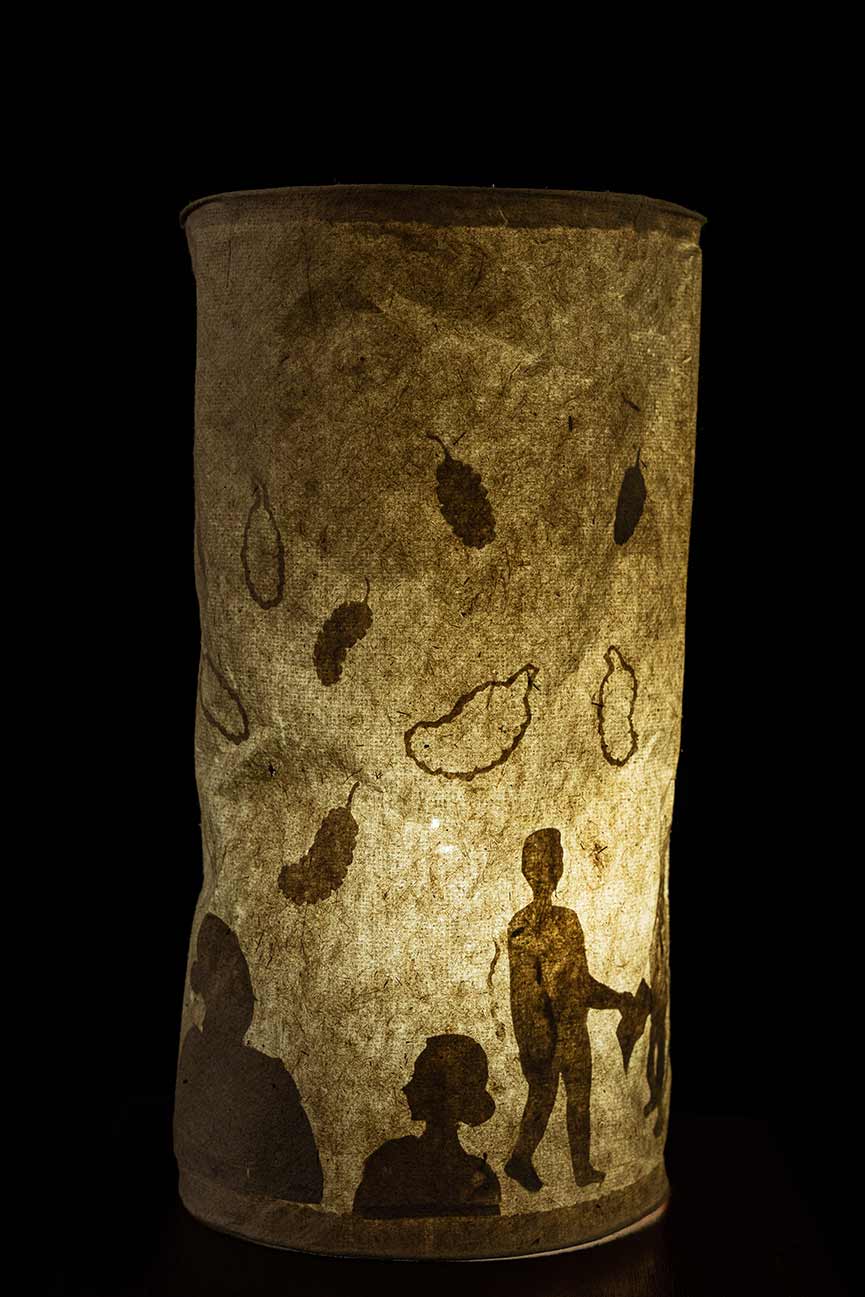
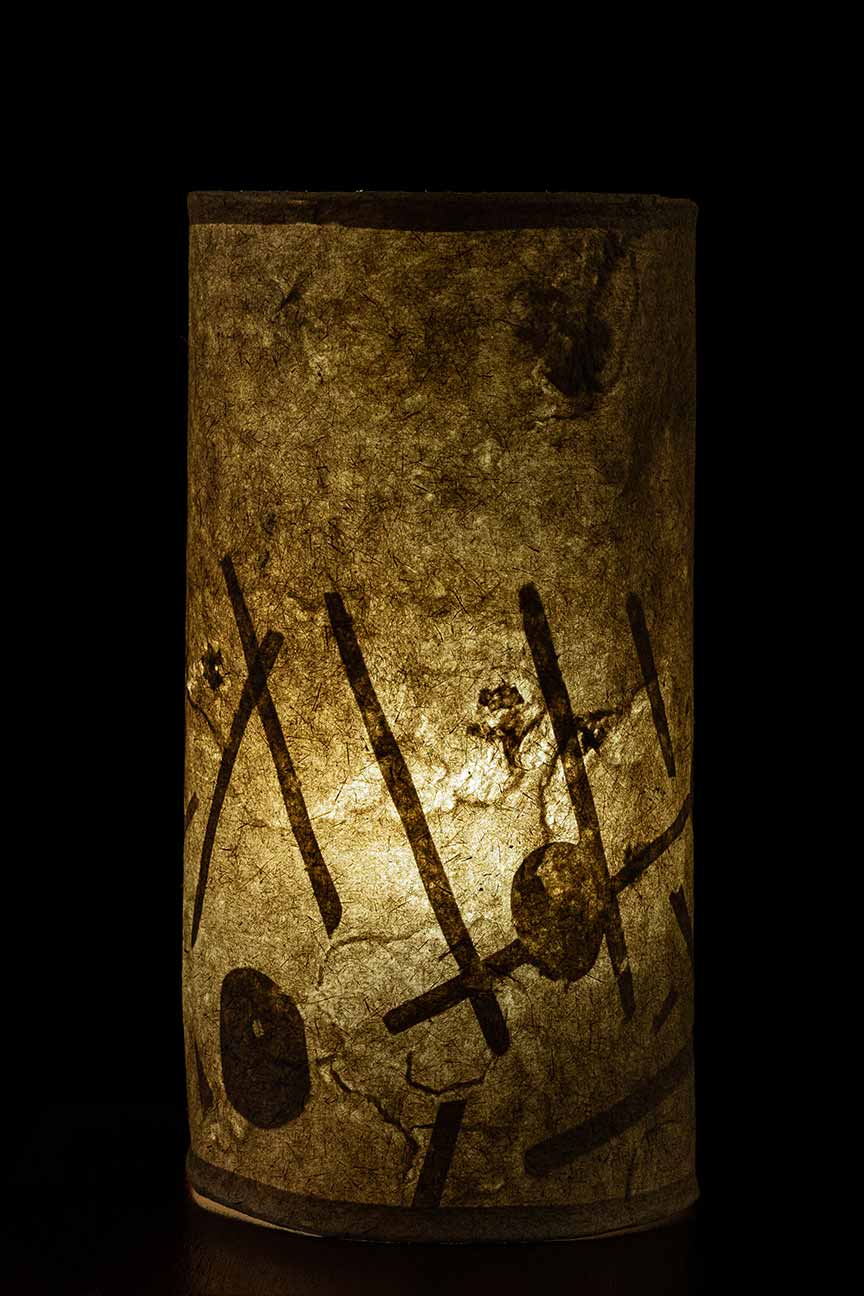
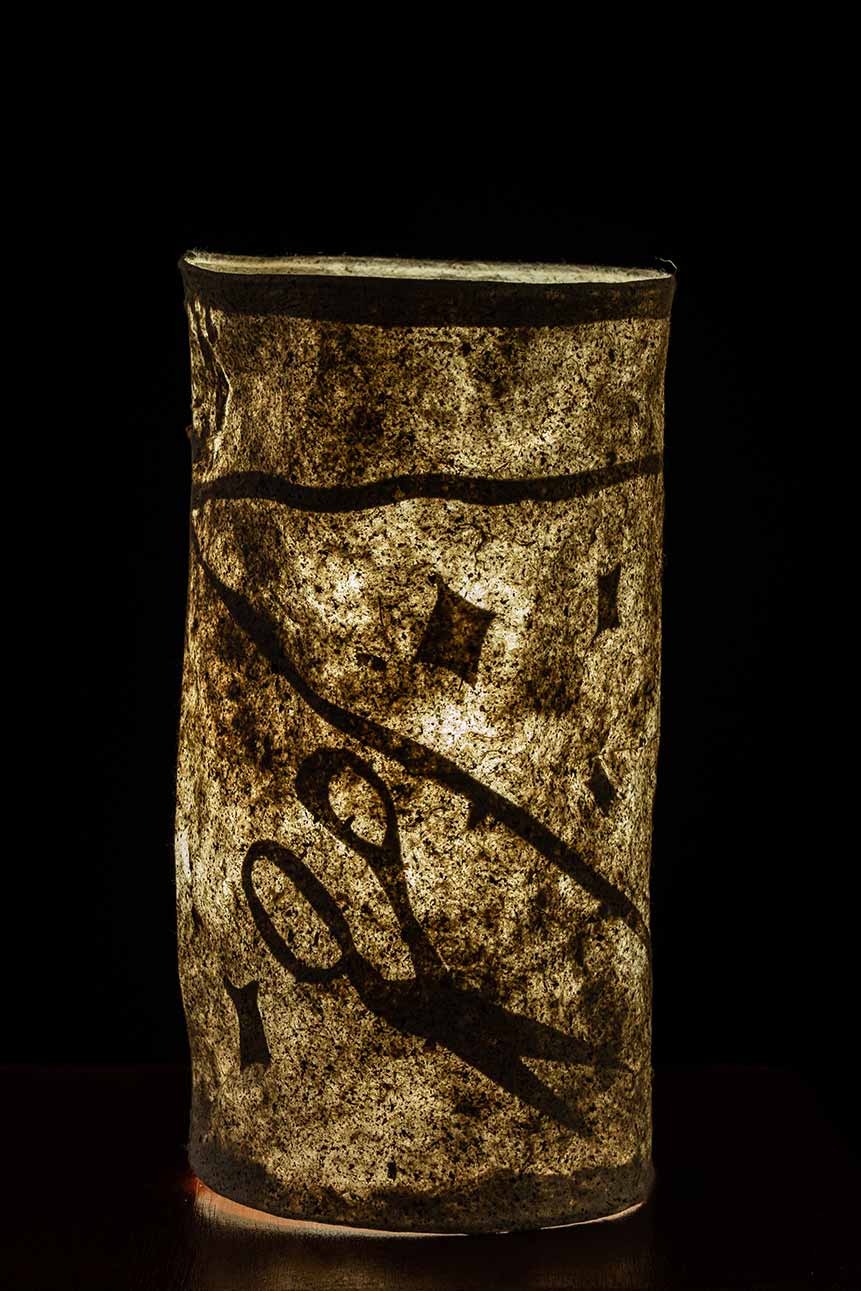
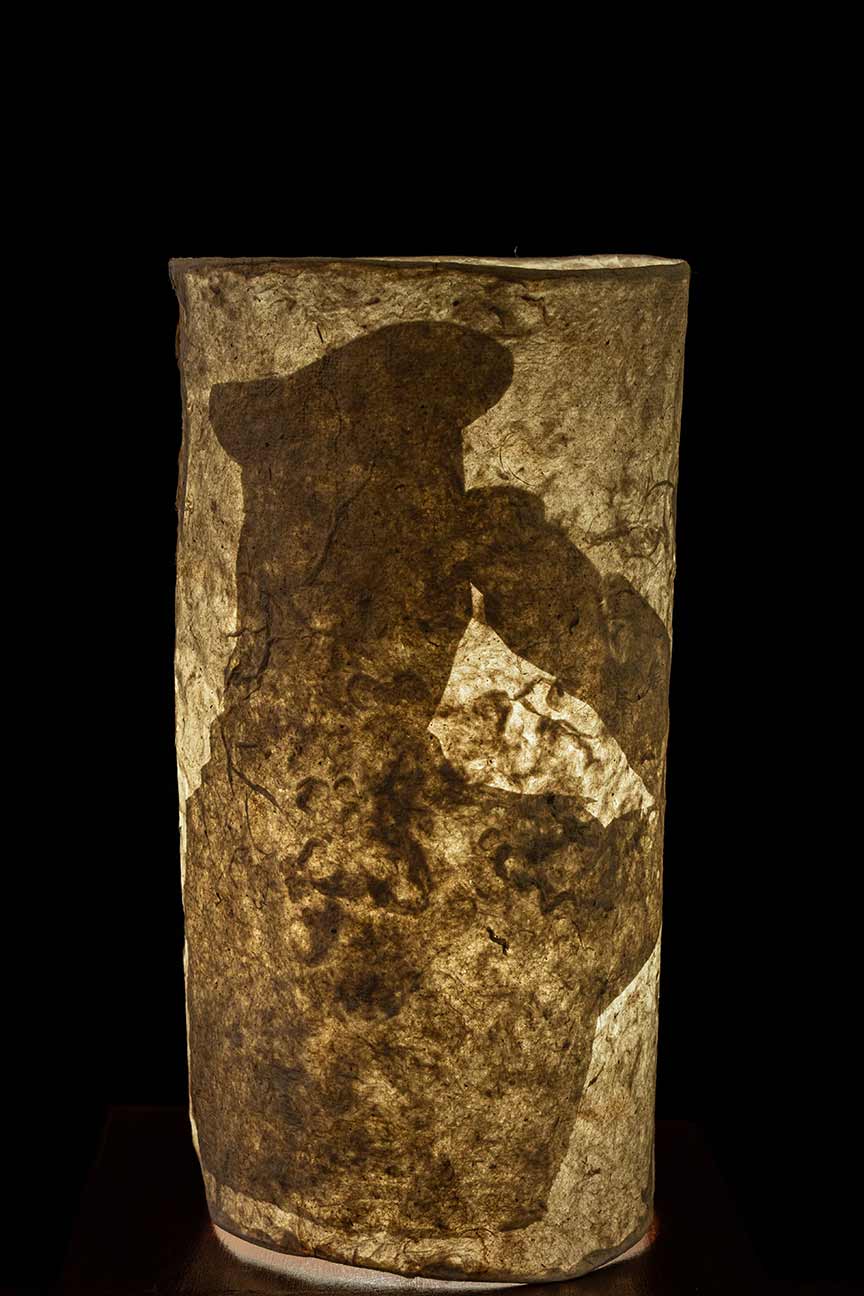
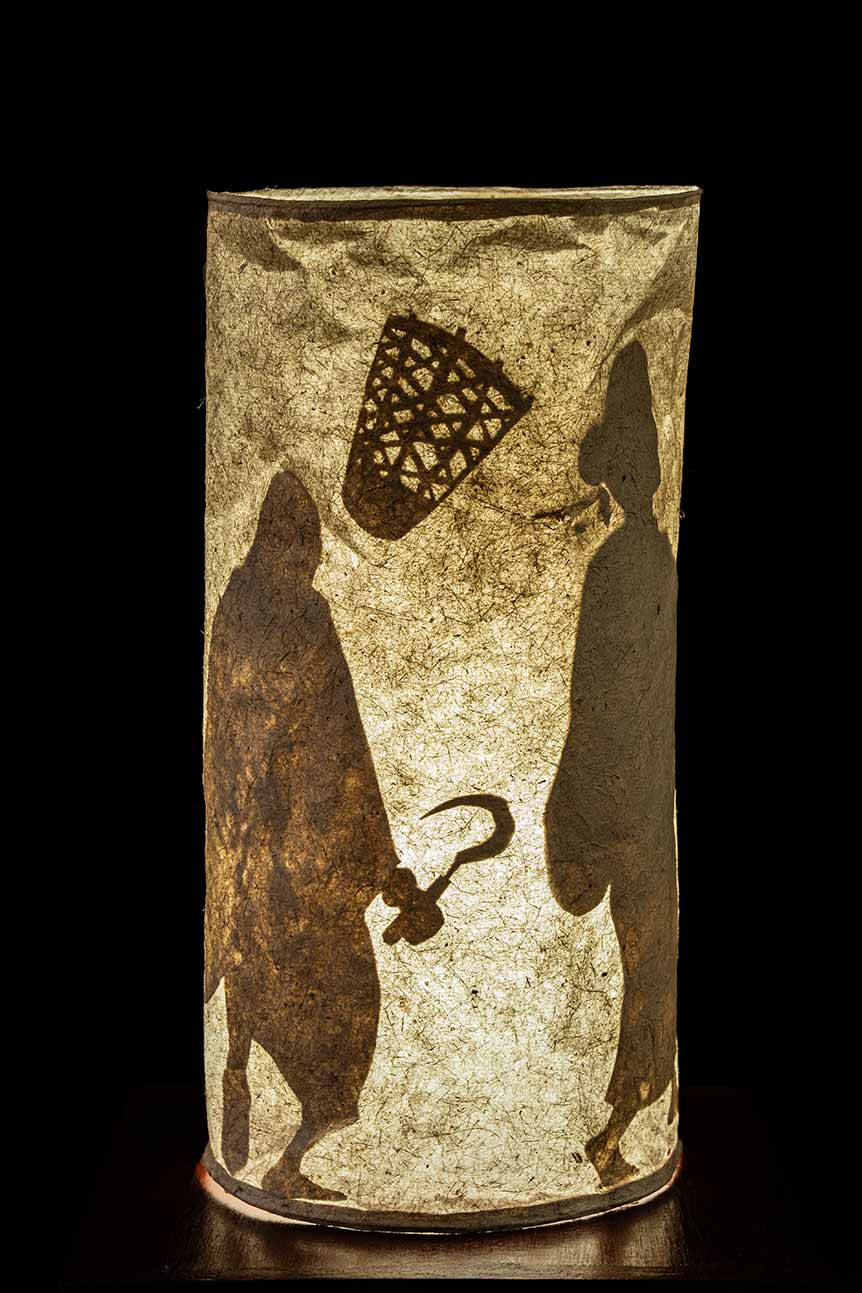
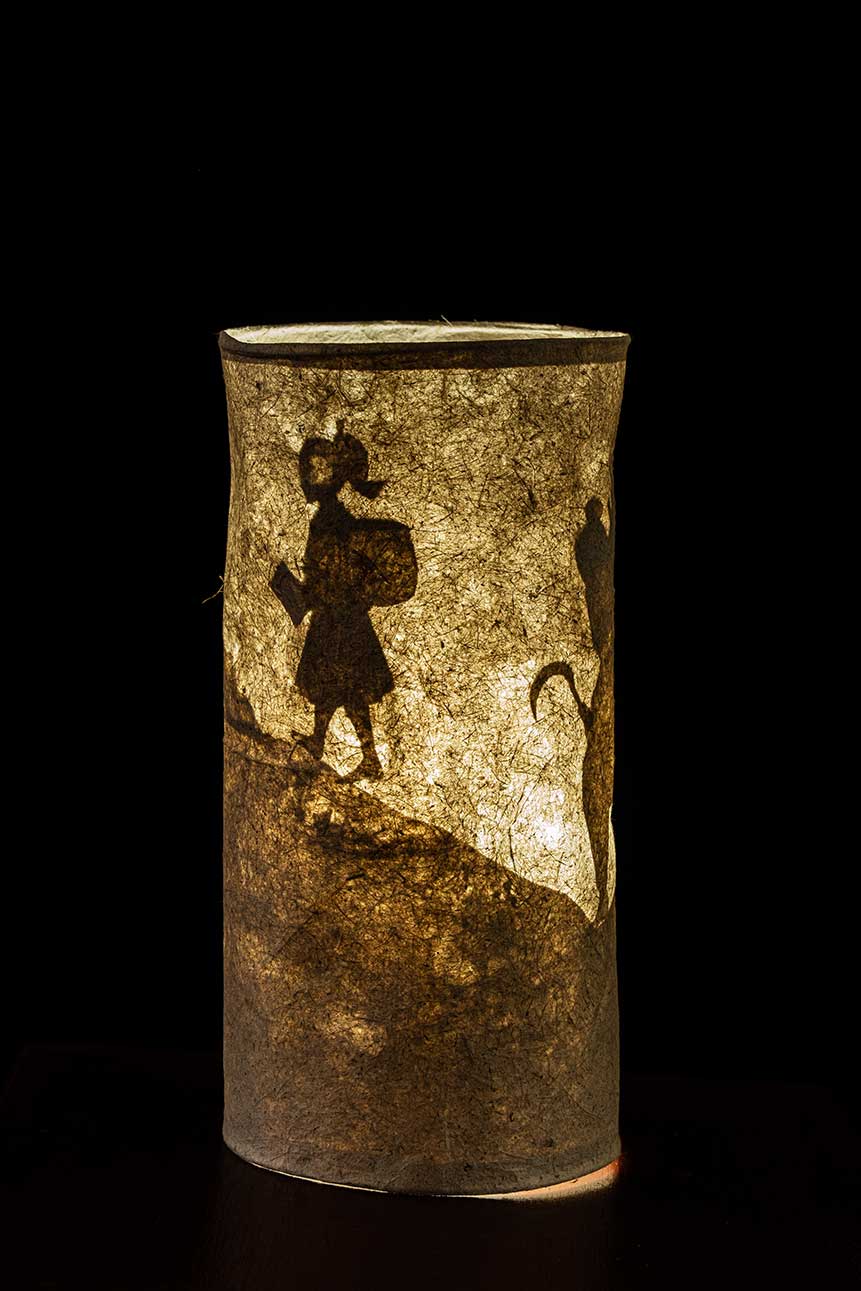
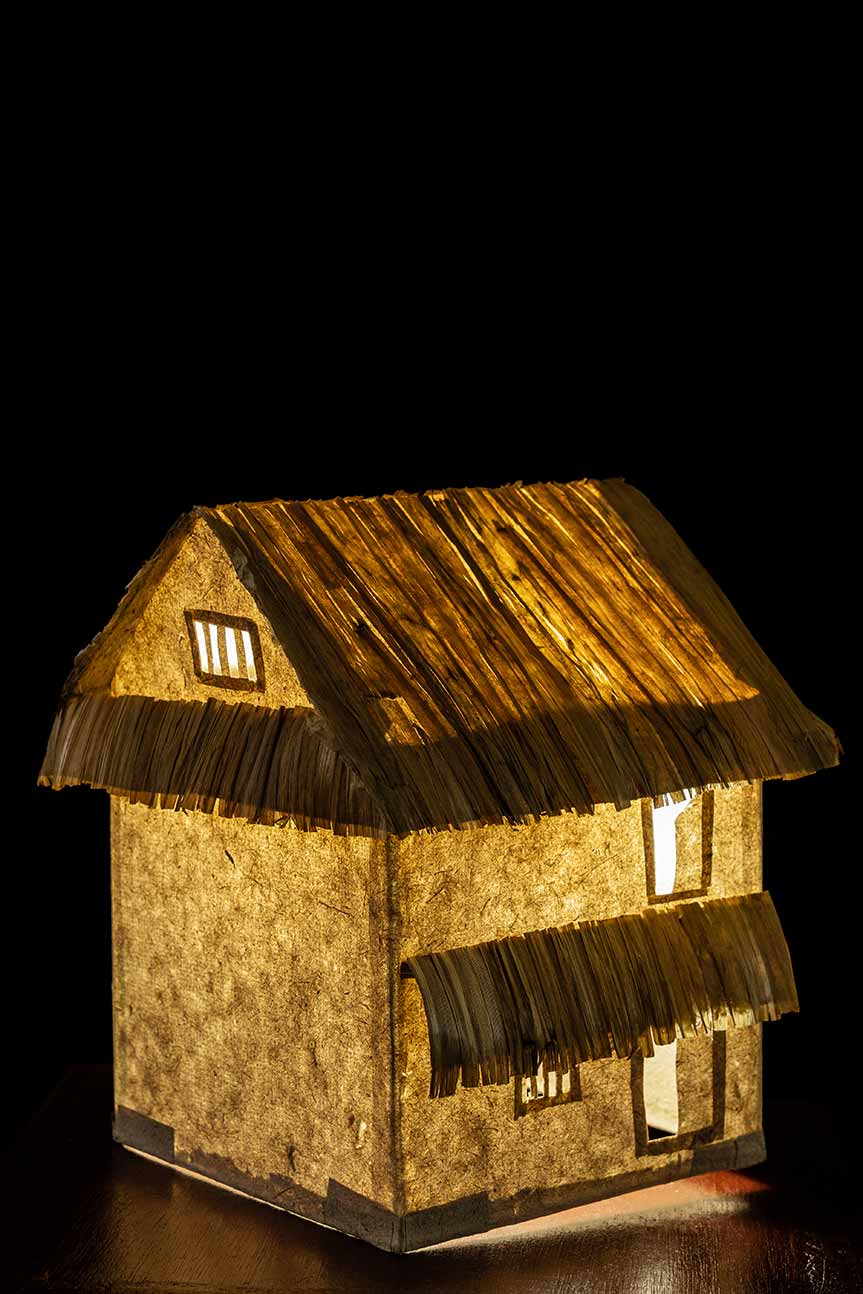
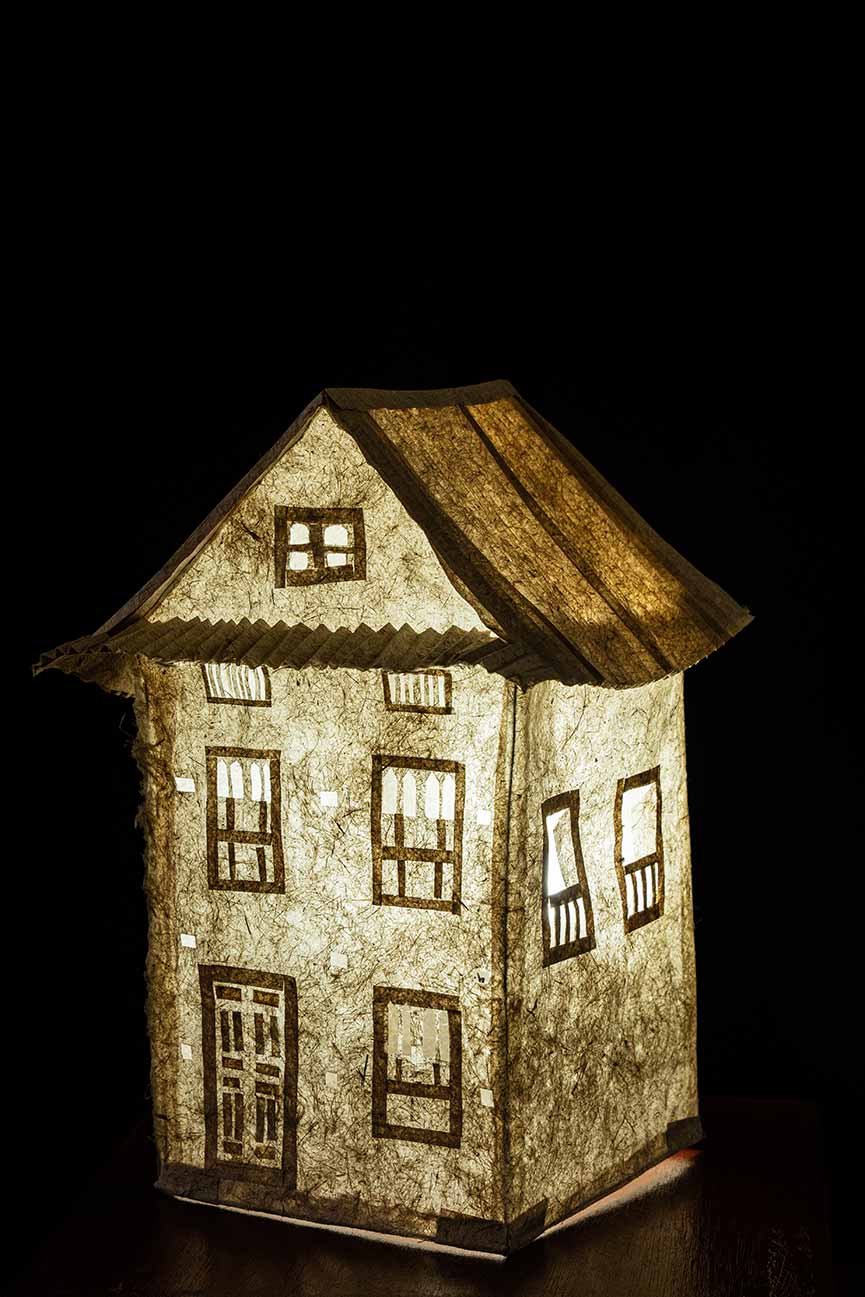
Me, and What kind of Home? 2024
Handmade paper, collage and light
varied sizes
varied sizes
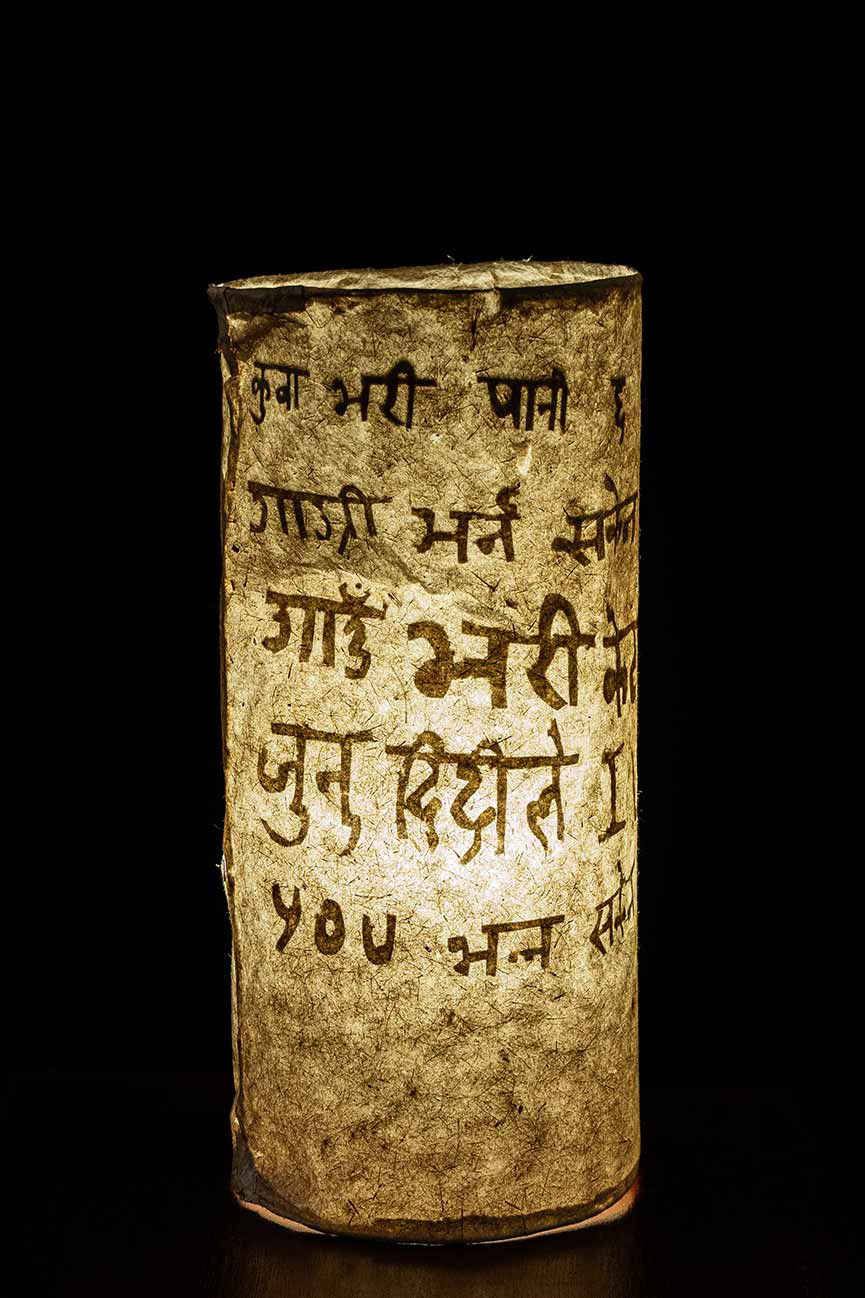
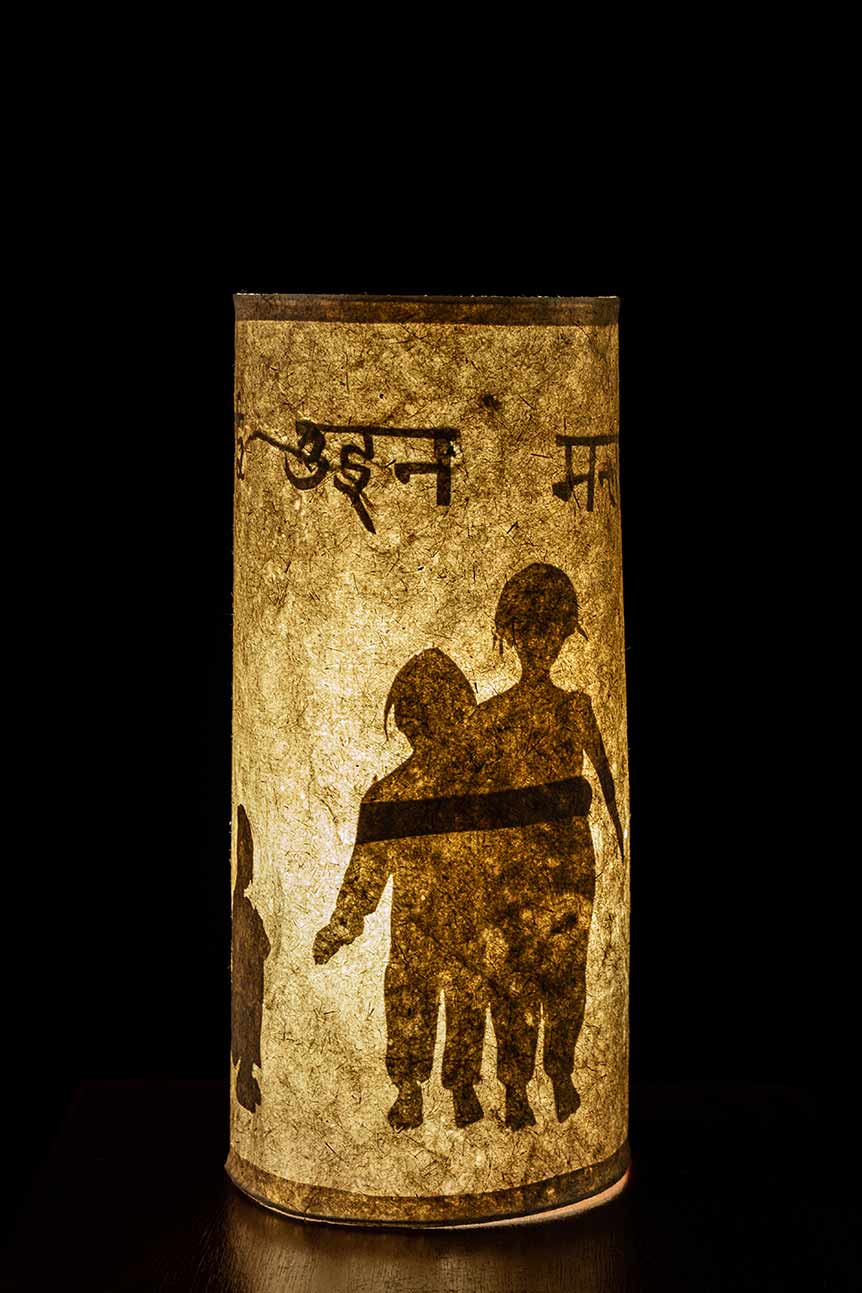
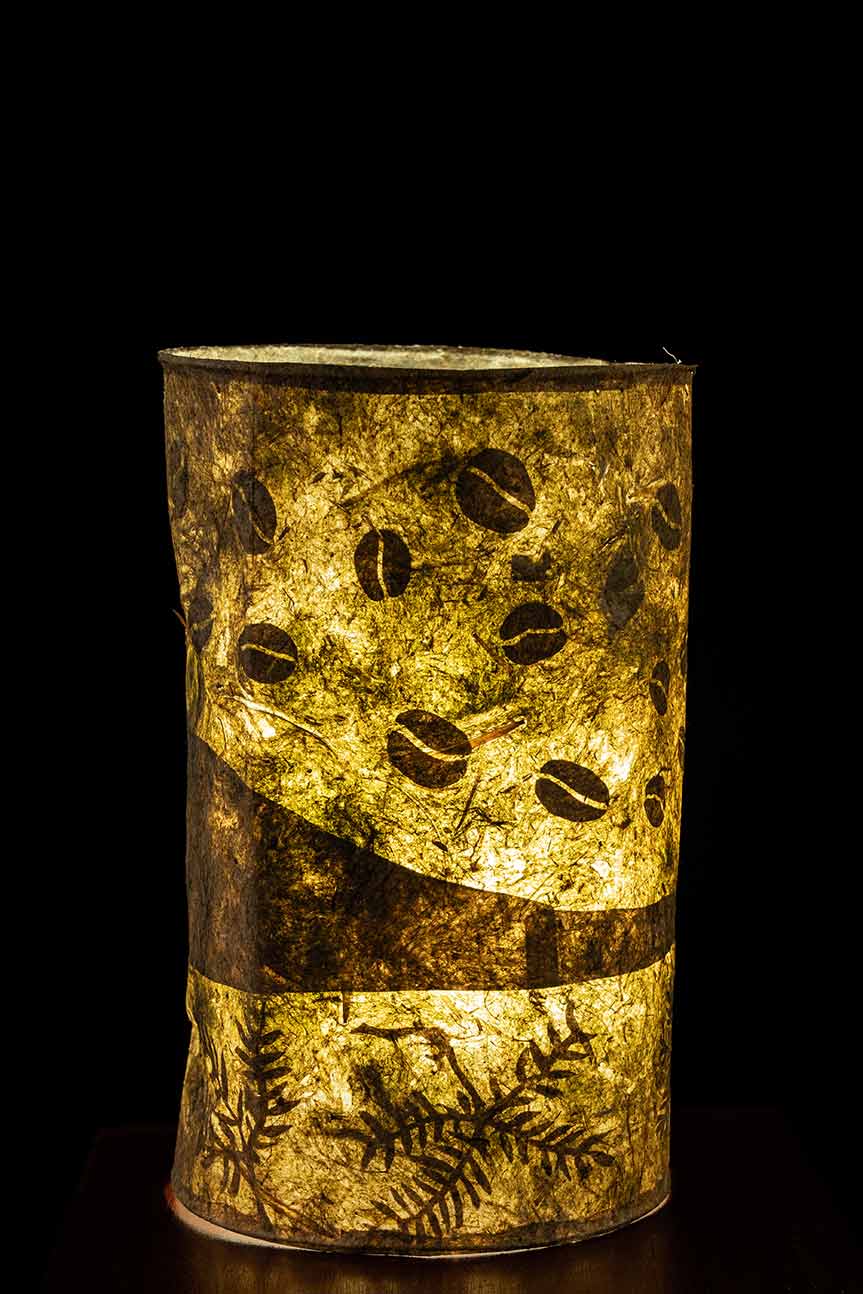
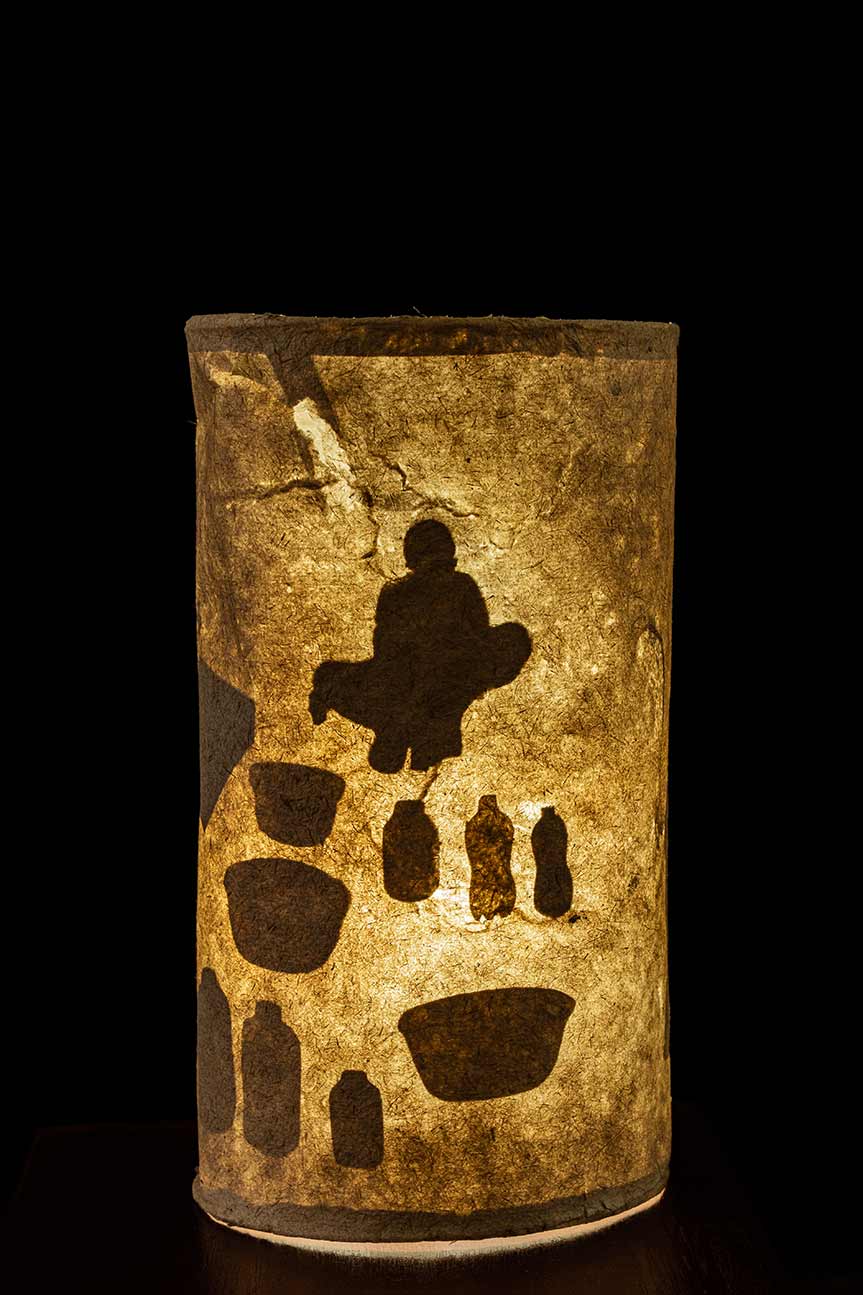
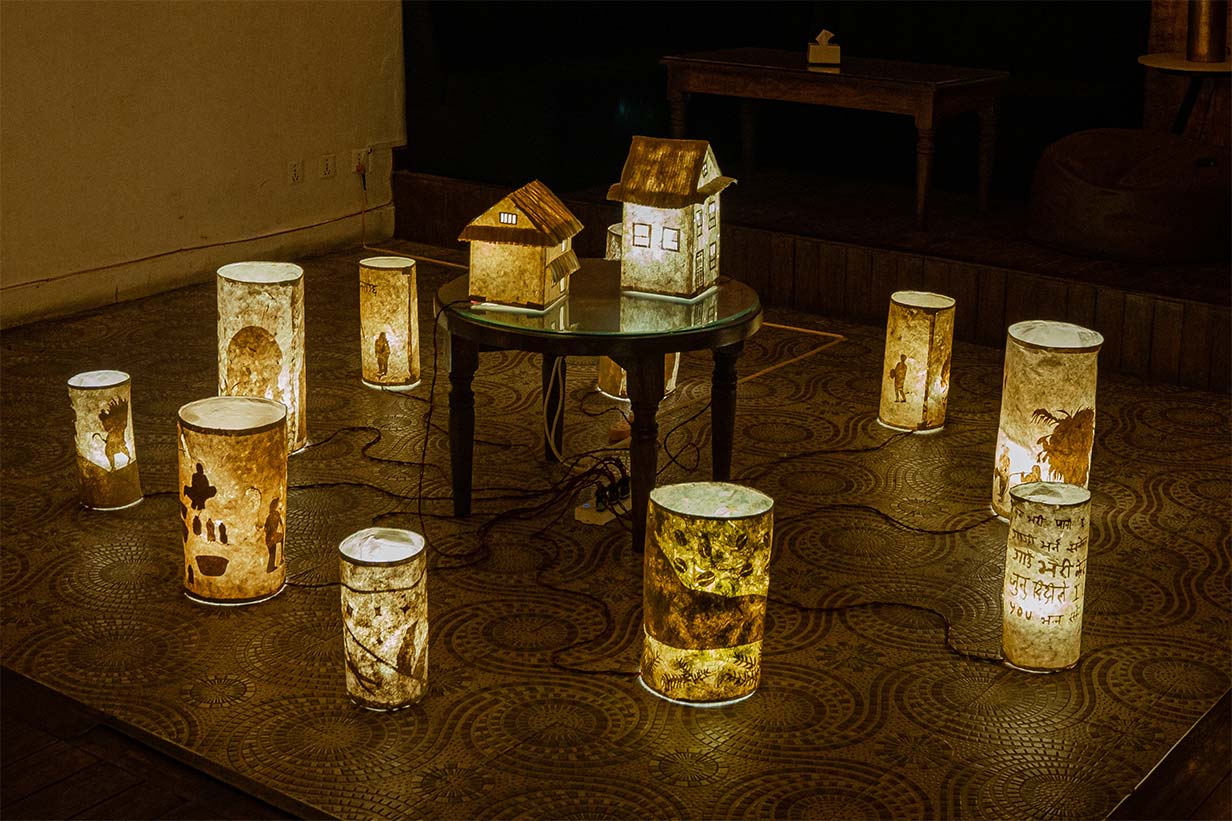
This artwork examines the home as both a sanctuary and a site of invisible labor, shaping women’s identities and aspirations. Two distinct houses symbolize the dual realities women experience: one where societal norms restrict their dreams, and another where they are nurtured and empowered. Ten cylinders represent the multitude of unseen tasks women perform daily, from caregiving to household management, forming the silent backbone of domestic life.
The traditional handmade papermaking process used in this artwork serves as a powerful metaphor for women’s labor. Just as fibers are soaked, beaten, and pressed to create resilient sheets of paper, women’s efforts within the home often go unrecognized while they shape the very foundation of the family and society. This transformation mirrors their strength, endurance and adaptability strength despite societal limitations.
Set against the evolving landscape of Charkilla in Kavre, the piece challenges us to rethink domestic spaces — not just as places of confinement but as environs of respect, creativity, and growth. It calls for an acknowledgment of women’s unseen contributions and the creation of homes that foster dreams rather than silence them.
The traditional handmade papermaking process used in this artwork serves as a powerful metaphor for women’s labor. Just as fibers are soaked, beaten, and pressed to create resilient sheets of paper, women’s efforts within the home often go unrecognized while they shape the very foundation of the family and society. This transformation mirrors their strength, endurance and adaptability strength despite societal limitations.
Set against the evolving landscape of Charkilla in Kavre, the piece challenges us to rethink domestic spaces — not just as places of confinement but as environs of respect, creativity, and growth. It calls for an acknowledgment of women’s unseen contributions and the creation of homes that foster dreams rather than silence them.
म अनि कस्ताे घर ? सन् २०२४
हस्तनिर्मित कागज, कोलाज र प्रकाश
विभिन्न आकार
विभिन्न आकार
यस कलाकृतिले घरलाई महिलाको पहिचान तथा आकांक्षालाई आकार दिने सुरक्षित स्थल र अदृश्य श्रम गरिने स्थल दुवैको रूपमा केलाउँछ । दुई फरक घरले महिलाहरूको अनुभवको दोहोरो वास्तविकतातर्फ इङ्गित गर्छन् – पहिलो जहाँ सामाजिक मान्यताहरूले उनीहरूको सपनामाथि बन्देज लगाउँछन् र दोस्रो जहाँ उनीहरूले हेरचाह पाउँछन् र सशक्त बन्छन् । दसवटा गोलाकार आकृतिले पारिवारिक जीवनको मौन मेरूदण्ड बनेर महिलाले गर्ने दैनिक हेरचाहदेखि घर सम्हाल्ने सम्मका थुप्रै अदृश्य श्रमलाई दर्शाउँछन् ।
यस कलाकृतिमा प्रयोग भएको परम्परागत हस्तनिर्मित कागज बनाउने प्रक्रिया महिलाको श्रमको शक्तिशाली बिम्ब हो । जसरी काजगका लचिला तर टिकाउ पाना बनाउनका लागि रेसाहरू भिजाइन्छन्, कुटिइन्छन् र निचोरिन्छन् त्यसरी नै महिलाले परिवार र समाजको मूल आधारलाई आकार दिँदै गर्दा परिवारभित्रको उनीहरूको मिहिनेत प्राय: उपेक्षित रहन्छ । यस रूपान्तरणले सामाजिक बन्देजका बावजुद महिलाहरूमा हुने शक्ति, सहनशीलता र अनुकूलनको क्षमतालाई प्रतिबिम्बित गर्छ ।
काभ्रेको बदलिँदो परिवेशमा आधारित यस कलाकृतिले हामीलाई घरायसी स्थानहरूलाई बन्दीगृहको रूपमा मात्र नभई सम्मान, रचनात्मकता र विकासका स्थानका रूपमा पुनार्कल्पना गर्न चुनौती दिन्छ । यसले महिलाका नदेखिएका योगदानलाई चिन्न र सपनालाई कुल्चिने होइन फूल्न दिने घरपरिवार निर्माण गर्न अनुरोध गर्छ ।
यस कलाकृतिमा प्रयोग भएको परम्परागत हस्तनिर्मित कागज बनाउने प्रक्रिया महिलाको श्रमको शक्तिशाली बिम्ब हो । जसरी काजगका लचिला तर टिकाउ पाना बनाउनका लागि रेसाहरू भिजाइन्छन्, कुटिइन्छन् र निचोरिन्छन् त्यसरी नै महिलाले परिवार र समाजको मूल आधारलाई आकार दिँदै गर्दा परिवारभित्रको उनीहरूको मिहिनेत प्राय: उपेक्षित रहन्छ । यस रूपान्तरणले सामाजिक बन्देजका बावजुद महिलाहरूमा हुने शक्ति, सहनशीलता र अनुकूलनको क्षमतालाई प्रतिबिम्बित गर्छ ।
काभ्रेको बदलिँदो परिवेशमा आधारित यस कलाकृतिले हामीलाई घरायसी स्थानहरूलाई बन्दीगृहको रूपमा मात्र नभई सम्मान, रचनात्मकता र विकासका स्थानका रूपमा पुनार्कल्पना गर्न चुनौती दिन्छ । यसले महिलाका नदेखिएका योगदानलाई चिन्न र सपनालाई कुल्चिने होइन फूल्न दिने घरपरिवार निर्माण गर्न अनुरोध गर्छ ।
I am Blooming Outside of Perimeters, 2025
weaving from straw and agave plant fibre
with moss and other natural materials
66 x 36 inches
with moss and other natural materials
66 x 36 inches
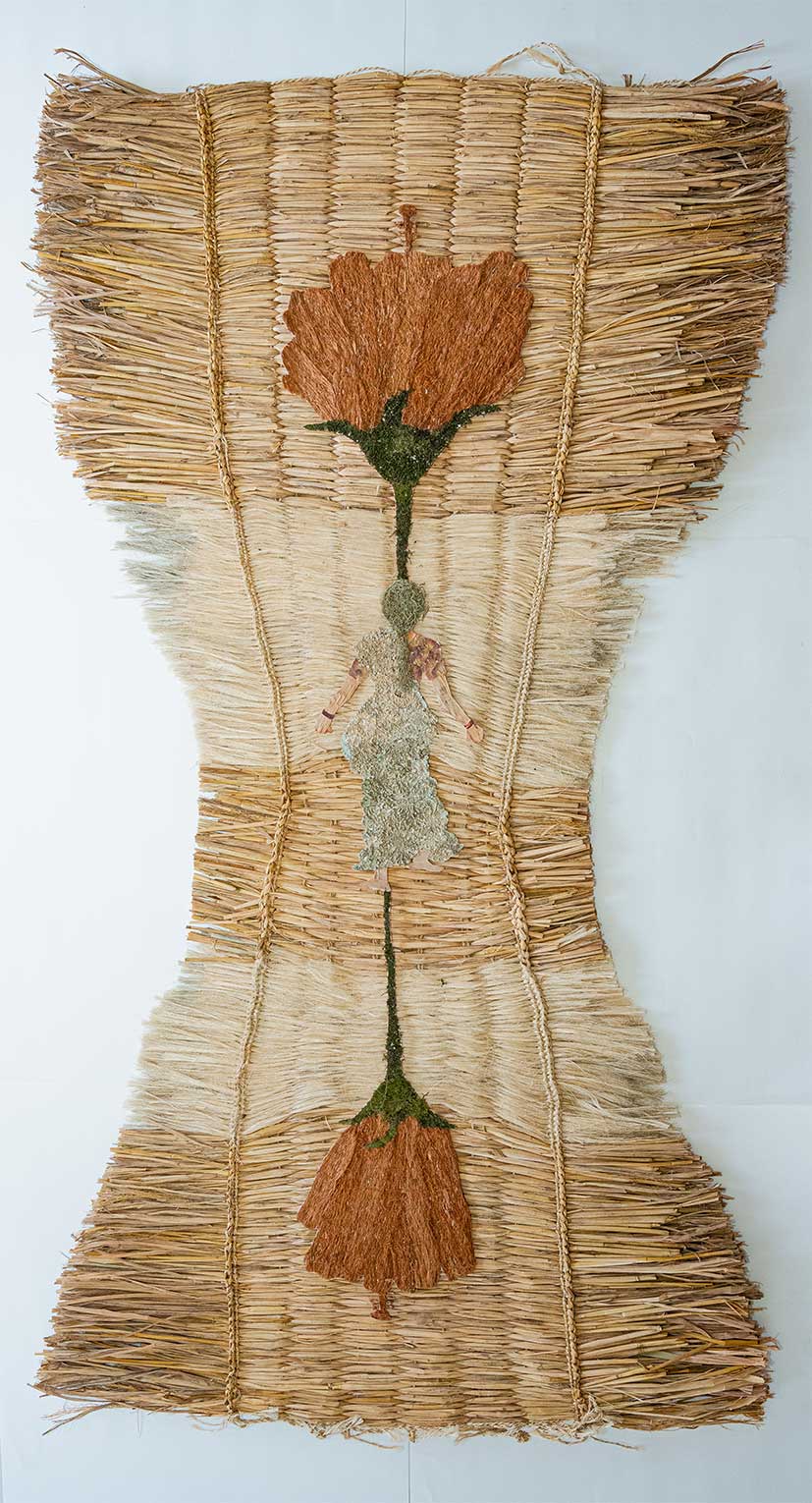
The gundri, a handwoven straw mat, is more than a household item: it’s a repository of ancestral wisdom and cultural identity, and social norms are woven into the design and use of the mat. One generation of women taught another the skills to weave the gundri, usually in the winter months following harvest. What could have become days and weeks of rest for women after the backbreaking labor of bringing in the rice harvest became occasions for solitary labor to create an artifact that was an essential household and ritual object, but which was also transient, requiring the labor to be repeated each year, through each winter.
Through her work, Junu Maya wants to reposition this skill not as an obligation but as a vessel of empowerment. The centre of the gundri in her work represents the narrow way of thinking society has historically held for women, and the widening out the incremental growth of responsibility that women have felt for change. The top and bottom of the mat has no borders. Within restrictions lies potential. The two hibiscus, one budding and one blooming, represent how women can flourish with opportunities that promote their potential to grow.
Through her work, Junu Maya wants to reposition this skill not as an obligation but as a vessel of empowerment. The centre of the gundri in her work represents the narrow way of thinking society has historically held for women, and the widening out the incremental growth of responsibility that women have felt for change. The top and bottom of the mat has no borders. Within restrictions lies potential. The two hibiscus, one budding and one blooming, represent how women can flourish with opportunities that promote their potential to grow.
परिधि बाहिर फुल्दै म, सन् २०२५
पराल र केतुवाको रेसासँगै झ्याउ तथा
अन्य प्राकृतिक सामग्रीसहित बुनाइ
६६ x ३६ इन्च
अन्य प्राकृतिक सामग्रीसहित बुनाइ
६६ x ३६ इन्च
हातले बुनेको परालको गुन्द्री कुनै घरेलु सामान मात्र होइन । यो पुर्ख्यौली ज्ञान र सांस्कृतिक पहिचानको भण्डार हो । सामाजिक मान्यताहरू गुन्द्रीको बनौट र प्रयोगभित्र बुनिएका हुन्छन् । विशेषगरी बाली काटिसकेपछि जाडो महिनामा एक पुस्ताका महिलाले अर्को पुस्तालाई गुन्द्री बुन्ने सिप सिकाउँथे । धान काटेर भित्राउँदा ढाड भाँचिने परिश्रम गरिसकेपछि महिलाहरूले धेरै दिन वा हप्ता आराम गर्ने अवसर बन्नसक्ने यो समय घरायसी प्रयोग तथा र संस्कारका लागि अत्यावश्यक तर अस्थायी वस्तु बनाउन एक्लै श्रम गर्ने समय बन्थ्यो जुन श्रम प्रत्येक हिउँदभरि दोहोराइरहन पर्थ्यो ।
जुनुमाया आफ्ना कृतिमार्फत यस सिपलाई एउटा बाध्यता नभई सशक्तीकरणको औजारका रूपमा पुनर्स्थापन गर्न चाहन्छिन् । उनको कलाकृतिमा रहेको गुन्द्रीको केन्द्रले महिलाहरू प्रति समाजको पारम्परिक संकीर्ण सोचलाई प्रतिनिधित्व गर्छ भने त्यहाँबाट परिवर्तनका लागि महिलाहरूले महसुस गरेको जिम्मेवारीको बढ्दो फैलावट समेटिएको छ । गुन्द्रीको मुख र पुच्छरमा बिट मारिएको छैन । बन्देजभित्रै सम्भावना निहित हुन्छ । एउटा फक्रेको, र अर्को फुल्दै गरेको दुई घण्टीफूलले आफ्नो क्षमता विकास गर्ने अवसरबाट महिलाहरू कसरी फस्टाउन सक्छन् भन्ने प्रतिनिधित्व गर्छन् ।
जुनुमाया आफ्ना कृतिमार्फत यस सिपलाई एउटा बाध्यता नभई सशक्तीकरणको औजारका रूपमा पुनर्स्थापन गर्न चाहन्छिन् । उनको कलाकृतिमा रहेको गुन्द्रीको केन्द्रले महिलाहरू प्रति समाजको पारम्परिक संकीर्ण सोचलाई प्रतिनिधित्व गर्छ भने त्यहाँबाट परिवर्तनका लागि महिलाहरूले महसुस गरेको जिम्मेवारीको बढ्दो फैलावट समेटिएको छ । गुन्द्रीको मुख र पुच्छरमा बिट मारिएको छैन । बन्देजभित्रै सम्भावना निहित हुन्छ । एउटा फक्रेको, र अर्को फुल्दै गरेको दुई घण्टीफूलले आफ्नो क्षमता विकास गर्ने अवसरबाट महिलाहरू कसरी फस्टाउन सक्छन् भन्ने प्रतिनिधित्व गर्छन् ।
These stories of women from kavre are part of an anthology entitled “Like a Rising River: Stories of Women and Change.”
काभ्रेका महिलाहरूका यी कथाहरू ‘उर्लँदाे नदीसरि: महिला र परिवर्तनका कथाहरू’ भन्ने शीर्षक भएको कथासङ्ग्रहको हिस्सा हुन्।

A Dream that Wakes at Night
Cheli Tamang | Written and Illustrated by Pooja Poudel
In their late teens, Cheli Tamang, Anju Bishwokarma and Sukumaya Bomjan want to undo the social injustices they see in their village of Charkilla. Promises of prosperity and change for their village seem possible with new roads being carved into the hills. They believe they will bring change by joining the male-dominated police force. Although their families question their choices, they empower and support one another to nurture this shared dream.
रातमा ब्युँझिने सपना
चेली तामाङ | लेखन र चित्रः पूजा पौडेल
किशोरावस्थाको अन्तिम खुड्किलो चढ्दै गरेका चेली तामाङ, अन्जु विश्वकर्मा र सुकुमाया बम्जन आफ्नो गाउँ चारकिल्लामा रहेका सामाजिक अन्याय हटाउन चाहन्छन् । पहाडका कान्लाहरूमा नयाँ सडक कुँदिन थालेदेखि गाउँमा समृद्धि र परिवर्तन सम्भव हुने देखिएको छ । पुरुषप्रधान प्रहरी बलमा भर्ती भएपछि केही न केही परिवर्तन ल्याउन सकिन्छ भन्नेमा उनीहरू विश्वस्त छन् । परिवारजनले उनीहरूको आकांक्षाबारे प्रश्न उठाए तापनि उनीहरू यो सपनालाई पूरा गर्न एक अर्कालाई हौसला र साथ दिन्छन् ।

The Burden of Care
Cheli Tamang | Written and Illustrated by Pooja Poudel
In their late teens, Cheli Tamang, Anju Bishwokarma and Sukumaya Bomjan want to undo the social injustices they see in their village of Charkilla. Promises of prosperity and change for their village seem possible with new roads being carved into the hills. They believe they will bring change by joining the male-dominated police force. Although their families question their choices, they empower and support one another to nurture this shared dream.
मायाको बोझ
म्हेन्दाे तामङ | लेखन र चित्र : छिरिङ छोमो गुरुङ
म्हेन्दो तामाङ थकित छिन्। उनका छोराहरू रोजगारीको खोजीमा टाढा पुगिसके, कसैको खबर छैन। बुहारीहरू पनि आ-आफ्ना बाटो लागे। बुढेसकालमा, म्हेन्दो रोगी श्रीमान् र नातिहरूको स्याहार गर्दै दिन काटिरहेकी छिन्। म्हेन्दो एकैछिन मात्रै भएपनि थकाइ मार्न चाहन्छिन् ।वर्षौंदेखि अरूका लागि मात्र बाँचिरहेकी उनले एक दिन पहिलोपटक आफ्नै लागि सोच्ने आँट गर्छिन् र हिंड्छिन्, एक्लै। त्यस पछि घरका पुरुष सदस्यहरूले पनि बुझ्न थाल्छन् : घर चलाउने जिम्मेवारी केवल महिलाको मात्र होइन। अब उनीहरूले पनि म्हेन्दोलाई काममा सघाउनै पर्छ।



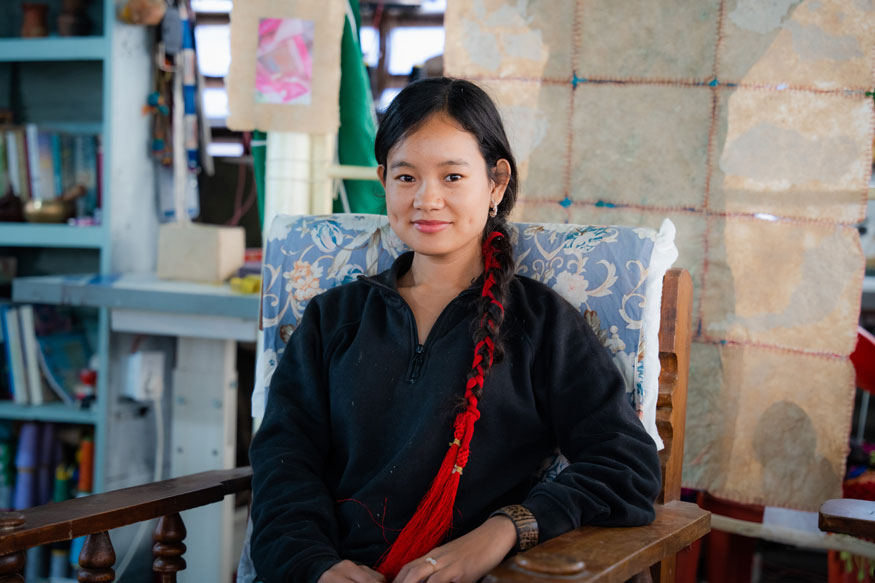
Junu Maya Tamang draws profound inspiration from Nature. Her work weaves together social relationships, memory, and time and space within Nature. She has been practicing traditional methods of papermaking and exploring text and image-making to develop a contemporary dialogue with the medium. Here, she creates paper using plant fibers, which she weaves into the traditional gundri mat.
जुनुमाया तामाङ प्रकृतिबाट गहन प्रेरणा लिन्छिन् । उनका कृतिले सामाजिक सम्बन्ध, स्मृति, र प्रकृति भित्र समय तथा स्थानलाई एकसाथ बुन्छन् । कागज बनाउने पारम्पारिक विधि अभ्यास गर्नुका साथै उनले यस माध्यमसँग समसामयिक संवाद विकास गर्न लेखन र छवि निर्माणबारे खोज पनि गर्दै आएकी छिन् । यहाँ उनले बोटबिरूवाको रेसाबाट बनाएको कागजलाई परम्परागत गुन्द्रीमा बुनेकी छिन् ।